
Healthy soils means healthy roots
Soil fertility can be described as the presence of adequate plant nutrients, and the absence of elements that restrict plant growth, in a well-ventilated environment.
· 2 min read
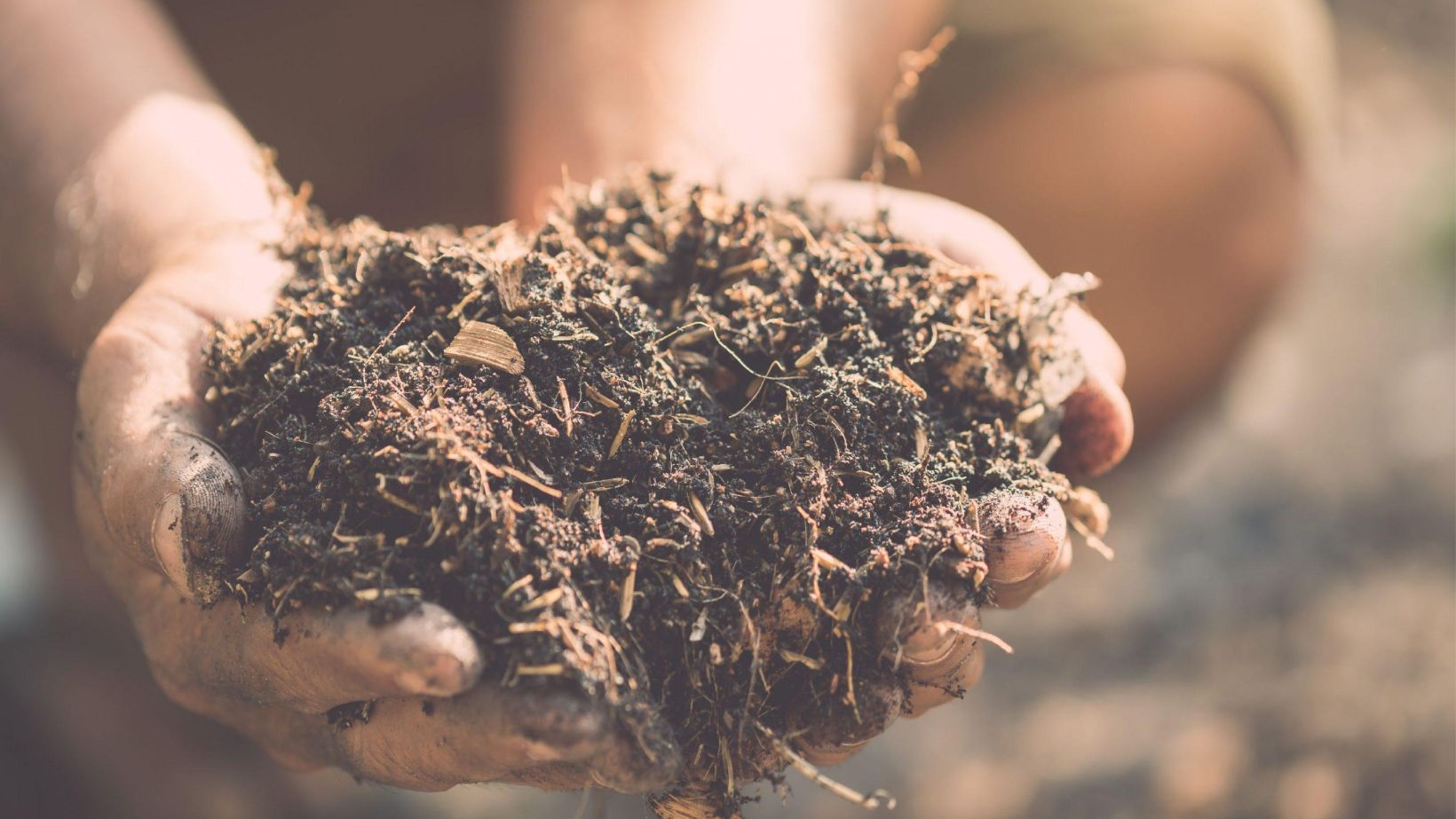
Soil is a living and dynamic system required for plant development.
“Soil health, or soil quality, can be described as the soil’s potential to maintain biological productivity. Soil also needs to promote plant and animal health,” says Dr. Elmarie Kotzé, senior lecturer at the University of the Free State (UFS)’s Department of Soil- and Crop and Climate Sciences.
Measuring soil health can be difficult. That’s why people tend to look at indirect indications such as yield, soil colour and the quality of water, to determine the status of soil health.
The soil’s pH and carbon levels, as well as biological indicators like organic matter (and whether organisms like earthworms are present in the soil) must be taken into consideration.
Good soil health leads to better soil structure and promotes root development.
Root health is a component of soil health. Crop rotation offers the best solution as it promotes a diversity of organisms. If crop rotation or cover crop approaches are not followed, the diversity of microbes decrease, and the focus should then be on the application of more organic material.
Atlantic Fertilisers offer a variety of organic and enriched products, as well as liquid fish hydrolysate, to support the important processes in the soil and plants.
The correct planning of a fertilisation program takes root health into account, as it will promote increased yields. Following this approach, the focus area will be the growing root zone, which represents less than 5% of the 0-30 cm soil volume.
Basic principles for root health:
1. Grow a cover crop. 2. Regular small applications of lime or gypsum. 3. Regular small applications of organic matter and fertilisers, for example: Bio Ganic, Bio Rock, Bio Ocean and Fish hydrolysate.
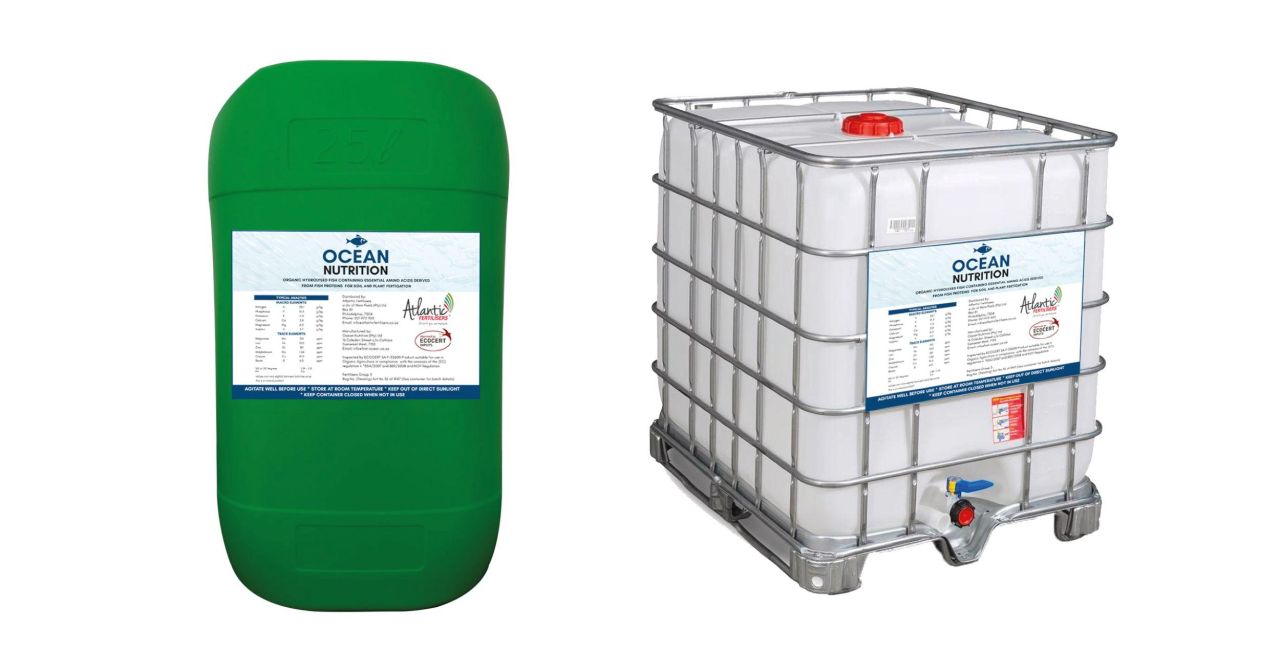
Contact us: Atlantic Fertilisers’ products and fertiliser programs are planned with regular and smaller applications, soil fertility and promotes root health.

More from
Vineyard, cellar and production

Bioprotection, from harvest to fermentation
In modern winemaking, bioprotection has emerged as an innovative and sustainable strategy to improve microbial control while reducing dependence on sulphur dioxide.
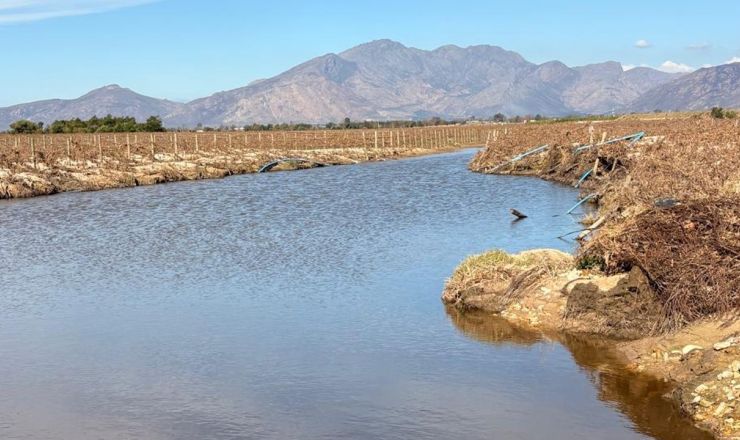
Flood damage - what next?
In light of the unprecedented floods during the second week of May 2026, this article offers a few guidelines on how flood risks can be approached and assessed.

One vineyard. Eight components. Five years of patience.
When KWV’s Laborie Blanc de Blancs 2020 claimed the Duimpie Bayly Vertex Trophy at the 2026 Veritas Awards, it was more than another win for the Paarl-based producer. It was only the third time a Cap Classique had taken the competition’s highest honour, selected from 1 293 entries.