
Improving with age

· 2 min read
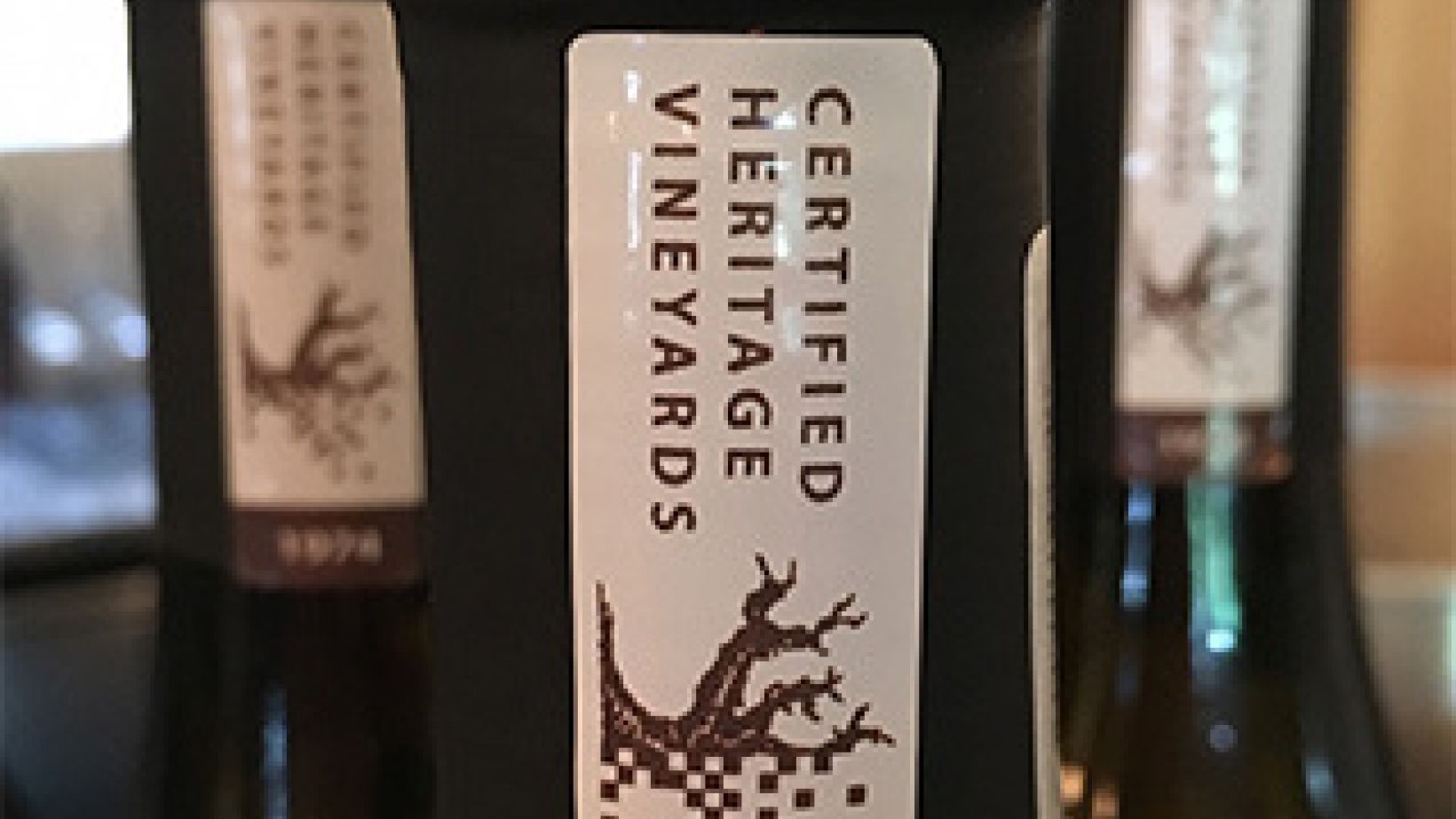
The Old Vine Project (OVP), an organisation dedicated to preserving South Africa’s old vines, introduced an official seal that will serve as guarantee of a vineyard’s authentic old vine status. On Friday 20 April Old Vine members, supporters and interested parties gathered together at De Warenmarkt in Stellenbosch to taste and celebrate the exceptional wines produced from some of South Africa’s oldest vineyards.
Throughout the world, ancient vines embody the essence of a region’s winemaking heritage, but for the first time ever, this distinction can be certified through a regulatory authority. Members of the OVP can apply the Certified Heritage Vineyards seal on qualifying bottles of wine made from vineyards of 35 years and older. The seal proudly proclaims the vineyard’s planting date and the winery’s commitment to its legacy.

Speaking at the event, André Morgenthal from the OVP explained how old vines have to survive the odds stacked against them. A block’s yield typically begins to drop after 25-35 years, which translates into a financial decision based on its perceived value. The OVP aims to help wineries navigate these challenges to maintain their vineyards and have them remain profitable for much longer. A joint venture between the University of Cape Town Graduate School of Business, Winetech and the Stellenbosch University was therefore undertaken to study consumer perception of old vine wines and help unlock their value.
The OVP’s mandate does not end with the vineyards, but extends to the people who tend them. The vision to make old-vine farming viable includes training vineyard workers in the skills required to prune not only old vines, but also new vines that have been “planted to grow old”. To this end, Swiss-based pruning shears manufacturer Felco will offer specialised old-vine pruning courses for OVP members’ vineyard workers.
Look for OVP’s stand at Cape Wine 2018, set up with the support of Wosa. The number of wines bearing the Certified Heritage Vineyards seal will continue growing and underscoring our wine industry’s deep roots in history.
Members of the Old Vine Project as of April 2018:
- AJ Du Toit
- Alheit Vineyards
- Allee Bleue
- Anthonij Rupert Wyne
- Bellevue Wine Estate
- Boekenhoutskloof Winery
- Bosman Adama Family Wines
- Cecilia Wines
- Daschbosch
- David en Nadia
- DeMorgenzon
- DGB – Bellingham
- Fairview Wines
- Gabriëlskloof
- Hogan Wines
- Huis van Chevallerie
- Koelenhof Wynkelder
- Kruger Family Wines
- Lammershoek Farms & Winery
- Meerendal Wine Estate
- Metzer Family Wines
- Mullineux & Leeu Family Wines
- Naudé Family Wine Company
- Reyneke Wines
- Spice Route Wines
- Terracura
- The Sadie Family Wines
- Thorne and Daughters Wines
- Villiera Wines
- Waterford Estate
- Wolvenhoek Boerdery

More from
Vineyard, cellar and production

Bioprotection, from harvest to fermentation
In modern winemaking, bioprotection has emerged as an innovative and sustainable strategy to improve microbial control while reducing dependence on sulphur dioxide.
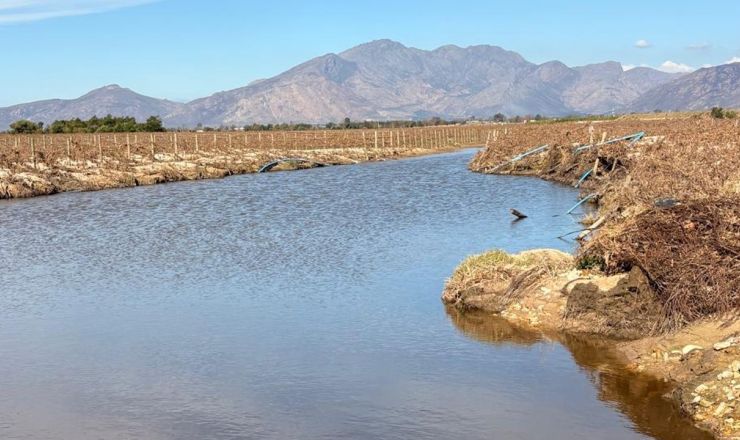
Flood damage - what next?
In light of the unprecedented floods during the second week of May 2026, this article offers a few guidelines on how flood risks can be approached and assessed.
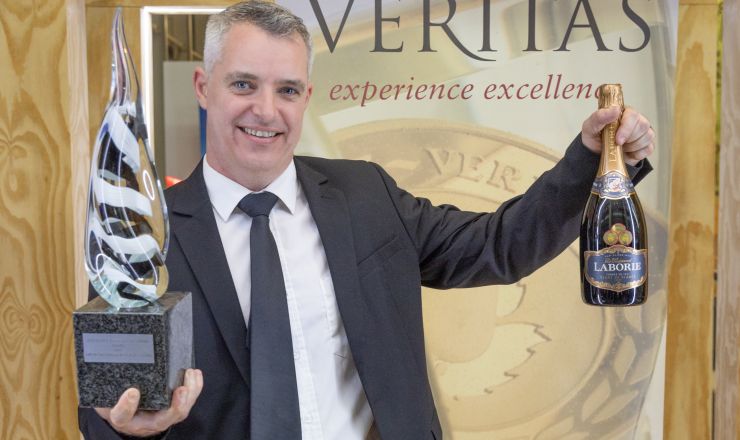
One vineyard. Eight components. Five years of patience.
When KWV’s Laborie Blanc de Blancs 2020 claimed the Duimpie Bayly Vertex Trophy at the 2026 Veritas Awards, it was more than another win for the Paarl-based producer. It was only the third time a Cap Classique had taken the competition’s highest honour, selected from 1 293 entries.