
Latest De Wetshof Limestone Hill Exudes Class of Vintage 2022
The De Wetshof Limestone Hill emphasises the reputation 2022 is garnering for being a top vintage for white wines in the Cape, especially Chardonnay.
· 4 min read
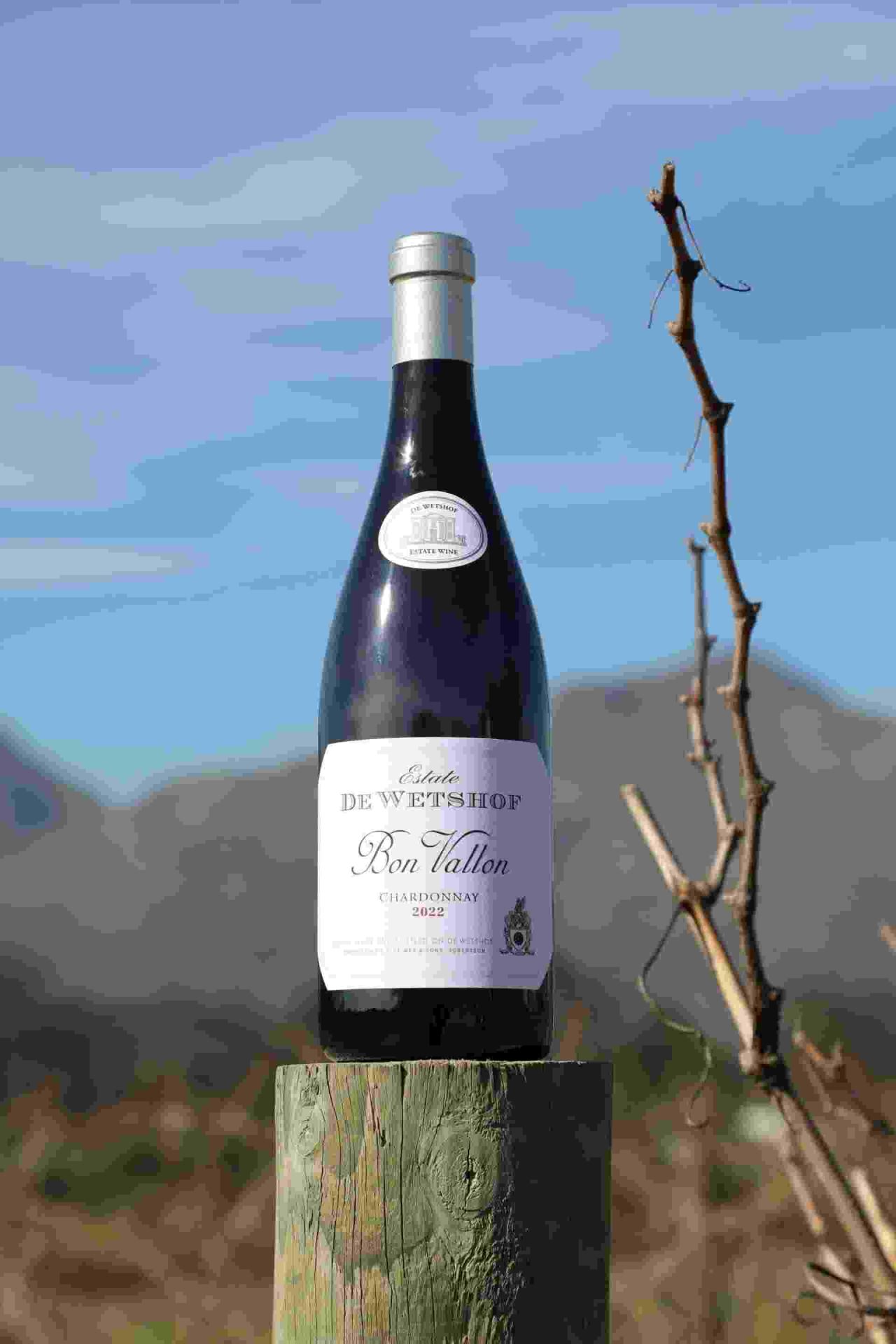
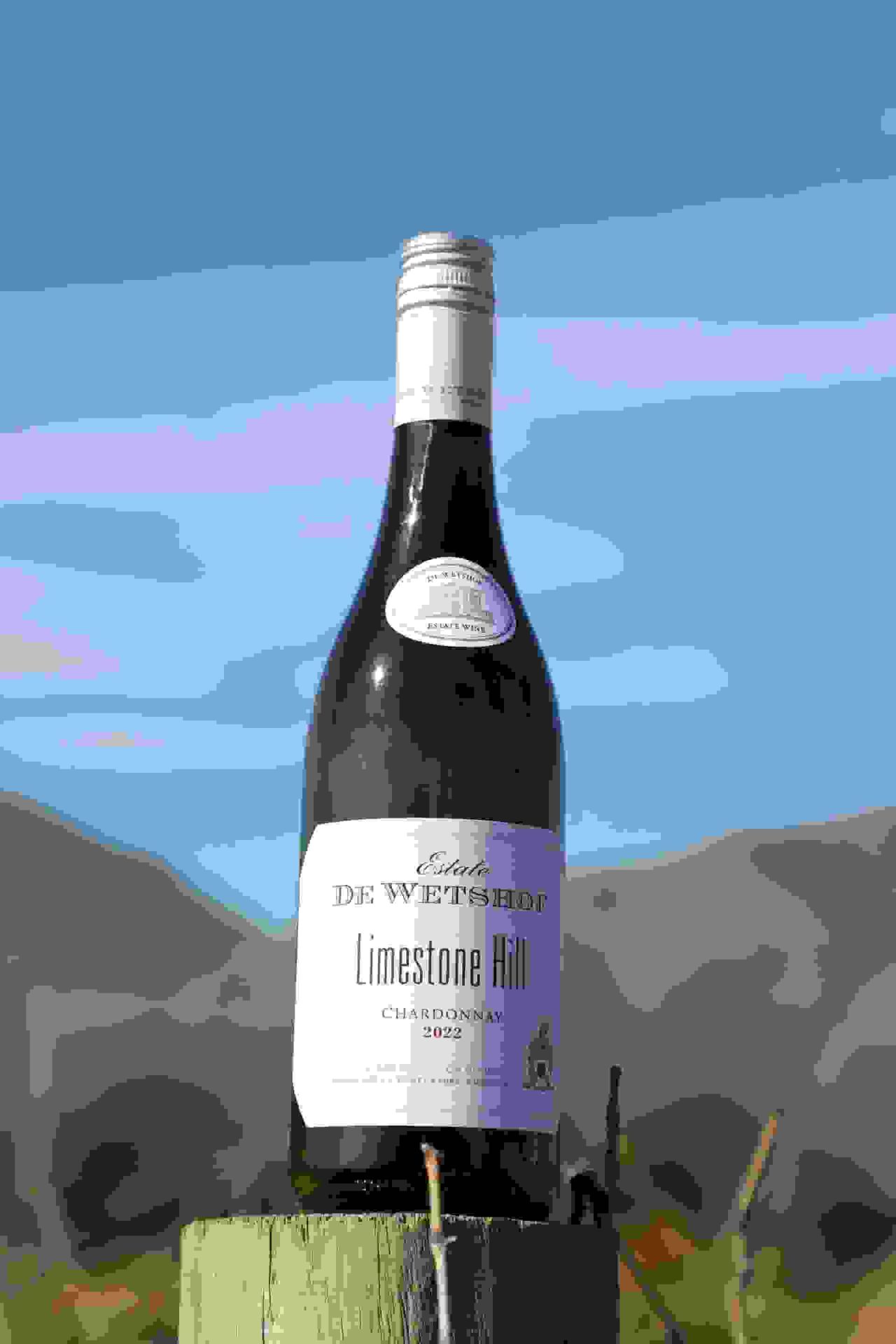
The De Wetshof Limestone Hill, one of South Africa’s most popular unwooded Chardonnays, emphasises the reputation 2022 is garnering for being a top vintage for white wines in the Cape, especially Chardonnay.
According to Johann de Wet, CEO of De Wetshof Estate in Robertson, the fact that this year’s harvest was characterised by cool, mild conditions is well reported. But with the wines now bottled and in the market, the magnificent quality of the season’s offering is coming to the fore.
“This year’s harvest commenced two-to-three weeks later than the average,” says de Wet, “the reason being a cool, mild spring, the conditions continuing into summer. This caused the whole vineyard cycle of bud-break, flowering, berry-set and ripening of grapes to slow down and draw-in complex fruit flavours. Despite some heat in January, here in Robertson we could literally count the number of 30°C and warmer days on one hand. And as a result, our Chardonnays are truly showing exceptional quality this year.”
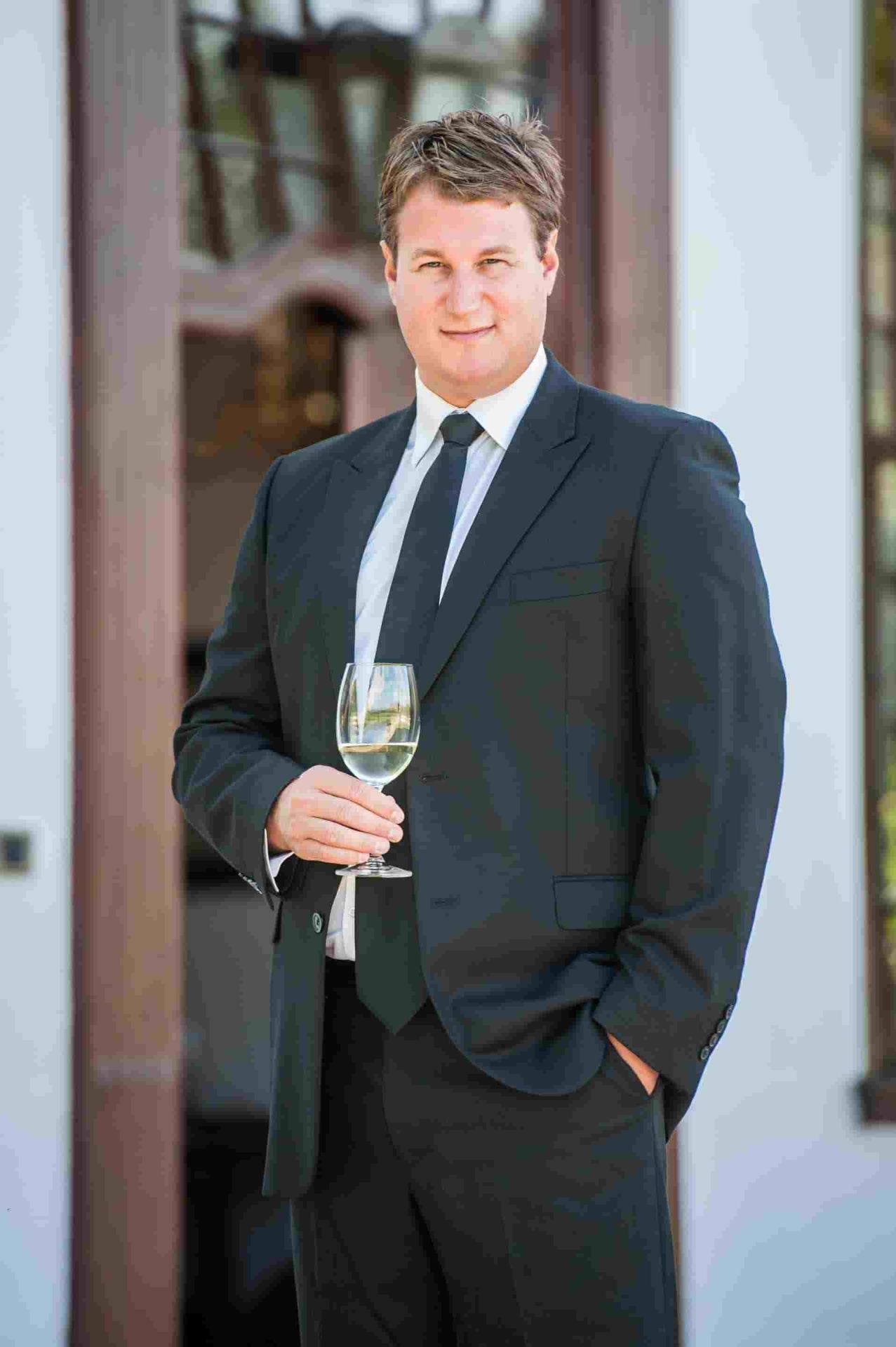
De Wet says cooler, slower ripening allows for balanced chemistries in the grapes – should one choose to look at the academic side of things. “What is evident for all is the bright, crunchy freshness we saw in the harvested grapes as they arrived at the cellar, as well as this zesty life-affirming energy now evident in the latest release of our Limestone Hill,” he says.
“This is the result of the cool conditions throughout the day as well as temperatures dropping steeply overnight to freshen-up the grapes for the next day’s picking.”
The grapes for Limestone Hill are picked in the coolness of morning, with the emphasis on capturing the natural complexities of the Chardonnay grape immediately for the making of this un-wooded wine. After de-stemming, pressing and overnight settling, the juice is racked-off from the sediment and pumped into stainless steel tanks. After fermentation, the wine is left on the lees under controlled temperatures. Weekly stirring of the lees ensures maximum flavours are released into the wine until it is ready for bottling.
“Like all our Chardonnays, the Limestone Hill is made from vineyards growing on selected patches of terroir that influence the individual style of each wine,” says De Wet. “The key to Robertson is the high limestone content of the soils, limestone being an element ensuring chemical balance and ageability in the wines.”
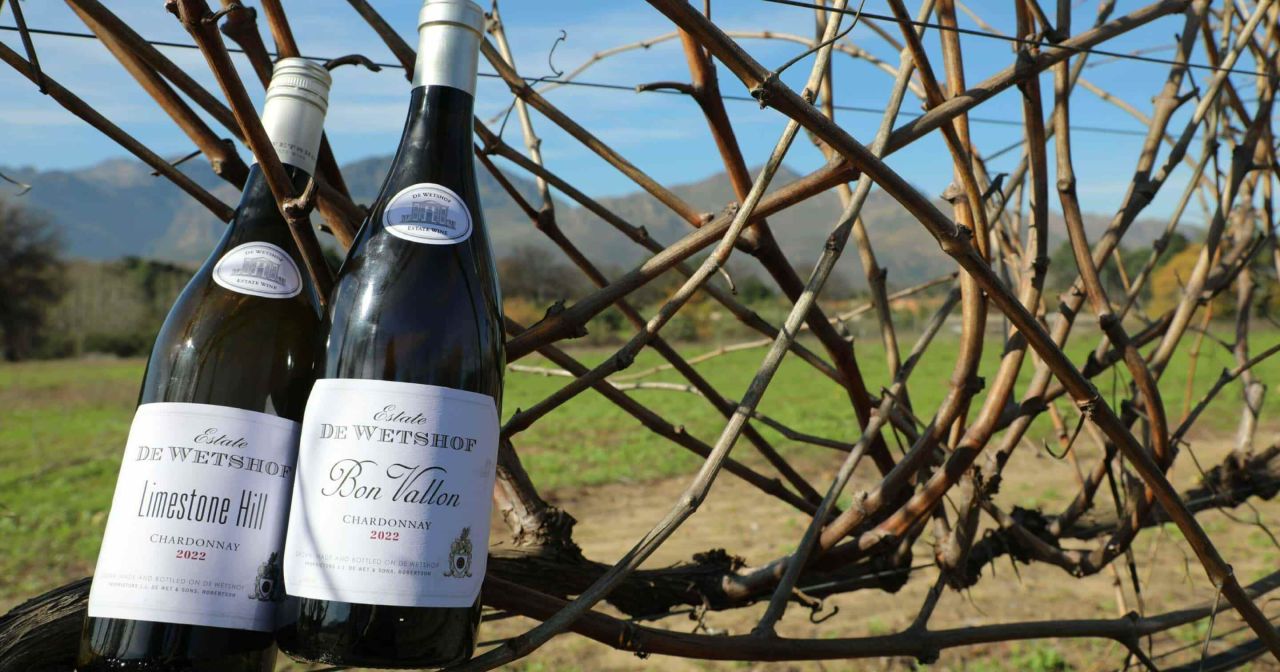
Heavy clay soils rich in limestone allow the Limestone Hill to emit optimum varietal expression in a cloak of rich complexity. Limestone Hill, and unwooded wine, is characterised by notes of grapefruit and nuts, balanced by a nuanced elegance ending in a delicate ripeness.
What is essential in making an un-wooded Chardonnay, says De Wet, is that it is not just a matter of keeping the juice and the wine away from oak. “The chemistry of the grapes and the vineyard conditions have to be conducive to producing a Chardonnay that shows its best features in an un-wooded environment,” he says.
The American critic Robert Parker describes the wine as such: “The Limestone Hill Chardonnay never sees oak, and offers impeccably pure, refreshing apple, peach and lemon fruit, a lovely leessy richness of texture, and a nutty, chalky, fruit-filled finish of imposing length. Understated and less tropical than some of the better un-oaked Australian Chardonnays, this wine possesses far better balance and sheer drink-ability – not to mention more finesse – than 99% of the world’s Chardonnay I have experienced at its price.”
The wine is superb with oysters, cream-based pasta dishes and light curries, as well as roast pork and veal dishes. Recommended retail price: R110.
Click here to get your copy of WineLand Magazine and here to subscribe to our newsletter.

More from
Vineyard, cellar and production

Cellar hygiene
Maintaining a spotless wine cellar requires a comprehensive management plan, which includes structural design, equipment sanitation, environmental controls and routine microbial monitoring.
Making wine in Cape Town's Philadelphia ward
Havana Hills overlooks Table Mountain and the Atlantic Seaboard from its perch atop one of the region’s smallest wards, Philadelphia. Piet Kleinhans recently took over the reins as winemaker.
What's so special about wine globes?
Diemersdal places a strong focus on innovation, and there’s always something new up their sleeve. Wineglobes represent a new way of telling a story that’s centuries old.