
Making Pinotage in Togo: Jeanne Vito's vineyard project
The small West African nation of Togo is a hub for wine trade in Africa. Among these is the vineyards being established by winemaker Jeanne Vito.
· 6 min read

Over the past few years, the tiny West African nation of Togo has morphed into a wine trading hub as imports and exports have grown by leaps and bounds. According to the American Association of Wine Economists (AAWE) Togo is now Africa’s second most important wine exporter in volume and value, coming in only behind South Africa.
Togo imports bulk wine mainly from Spain and France, while also exporting to Burkina Faso, Ghana, Ivory Coast and Mali. With a thriving wine culture, it makes sense for wine to be produced locally, to mitigate the economic risk of relying only on wines of foreign origin.
A little more surprising is that a local winemaker from Springfontein Wine Estate has taken up this task.
With the full support of Dr Johst Weber, who built Springfontein from the ground up 25 years ago, head winemaker Jeanne Vito decided to pursue her father’s dreams in Togo.
“My parents are originally from Benin and Togo, West Africa, where my father always dreamt of setting up a vineyard,” she recalls. “When he retired after more than 40 years of hard work in Burgundian vineyards instead, it was obvious to me his dream should become reality. I’ve engaged myself in a journey to bring this dream alive, together with the support of Johst and our Springfontein family.”
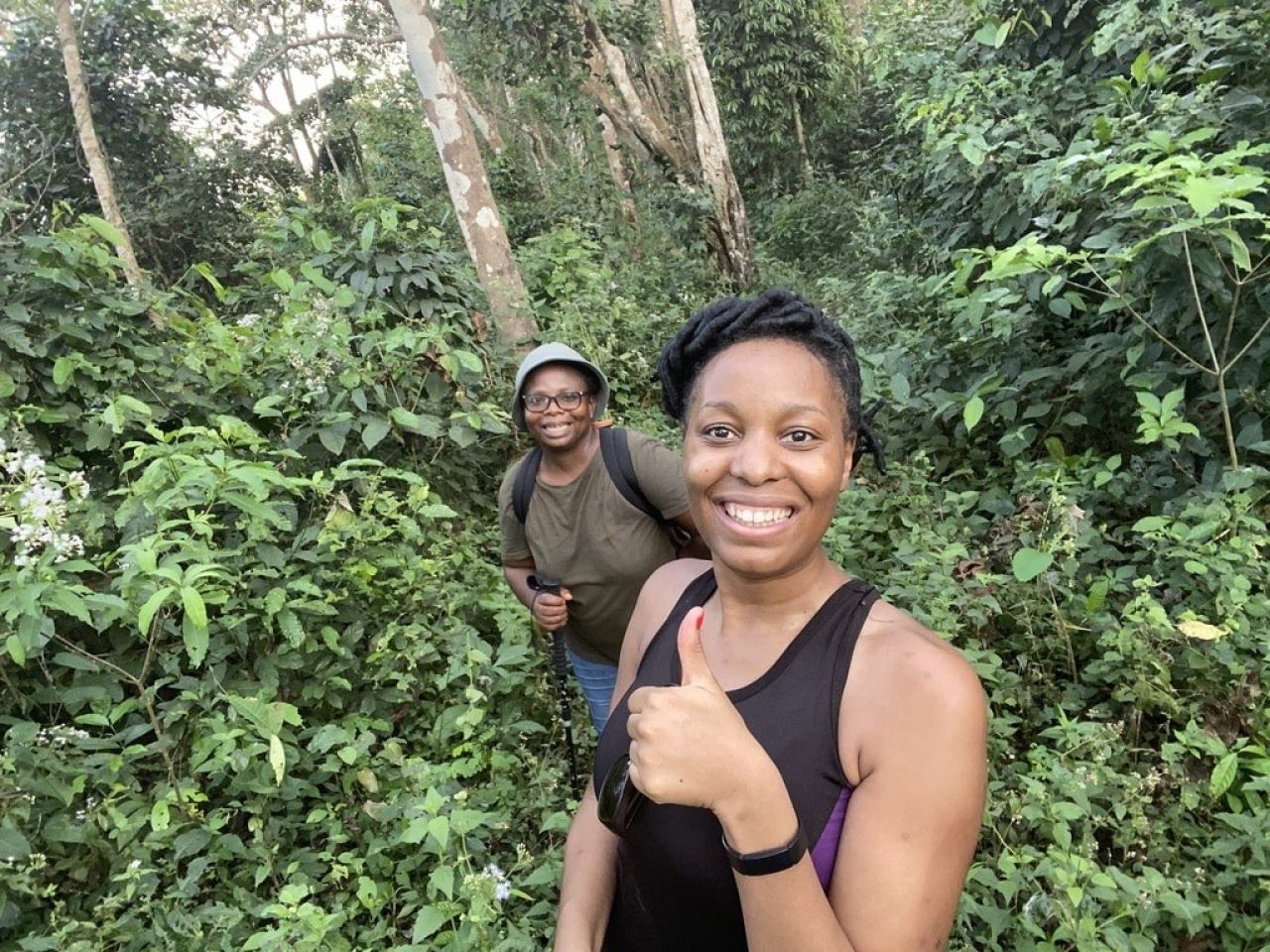
Togo terroir
The vineyards were established at the end of 2020 on 1,5 ha of experimental land that would determine the potential for viticulture in Togo’s so-called ’50 Shades of Green’ mountainous region. The area is located in the Kloto III district, Plateaux region, situated 150 km away from the Capital Lomé.
The site lies East to West, sloping upward from 720 m to 760 m above sea level, and has a unique micro-climate that’s different from Togo’s usual tropical conditions. Temperatures are lower, ranging between minimums of 10 °C to a maximum 32 °C. Wind varies around 16 to 25 km/h, with a rainfall of approximately 1700 mm/year.
The soil is argillaceous schist with a backbone of gneiss, fed by water from a natural mountain spring on the 21 ha land.
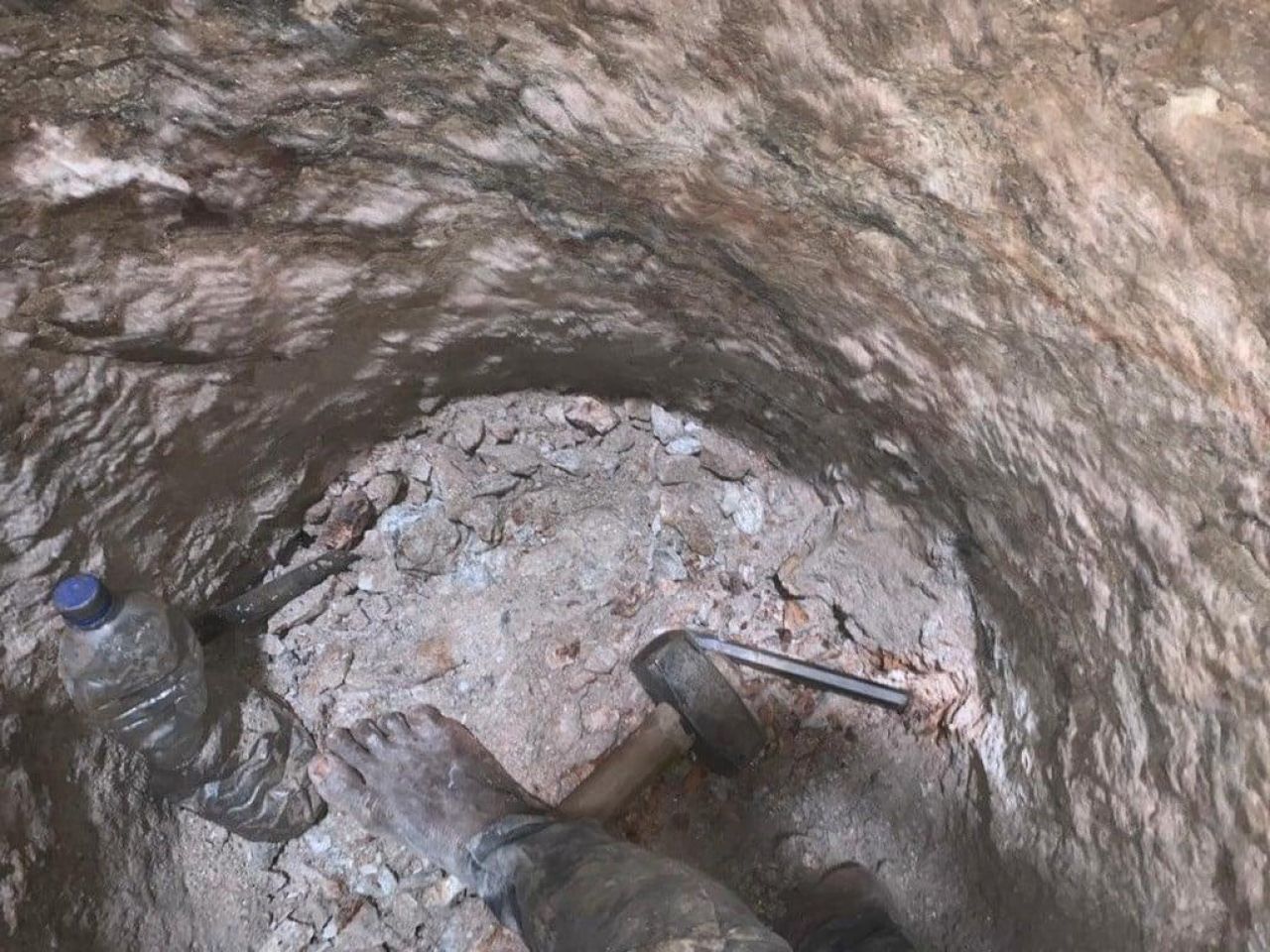
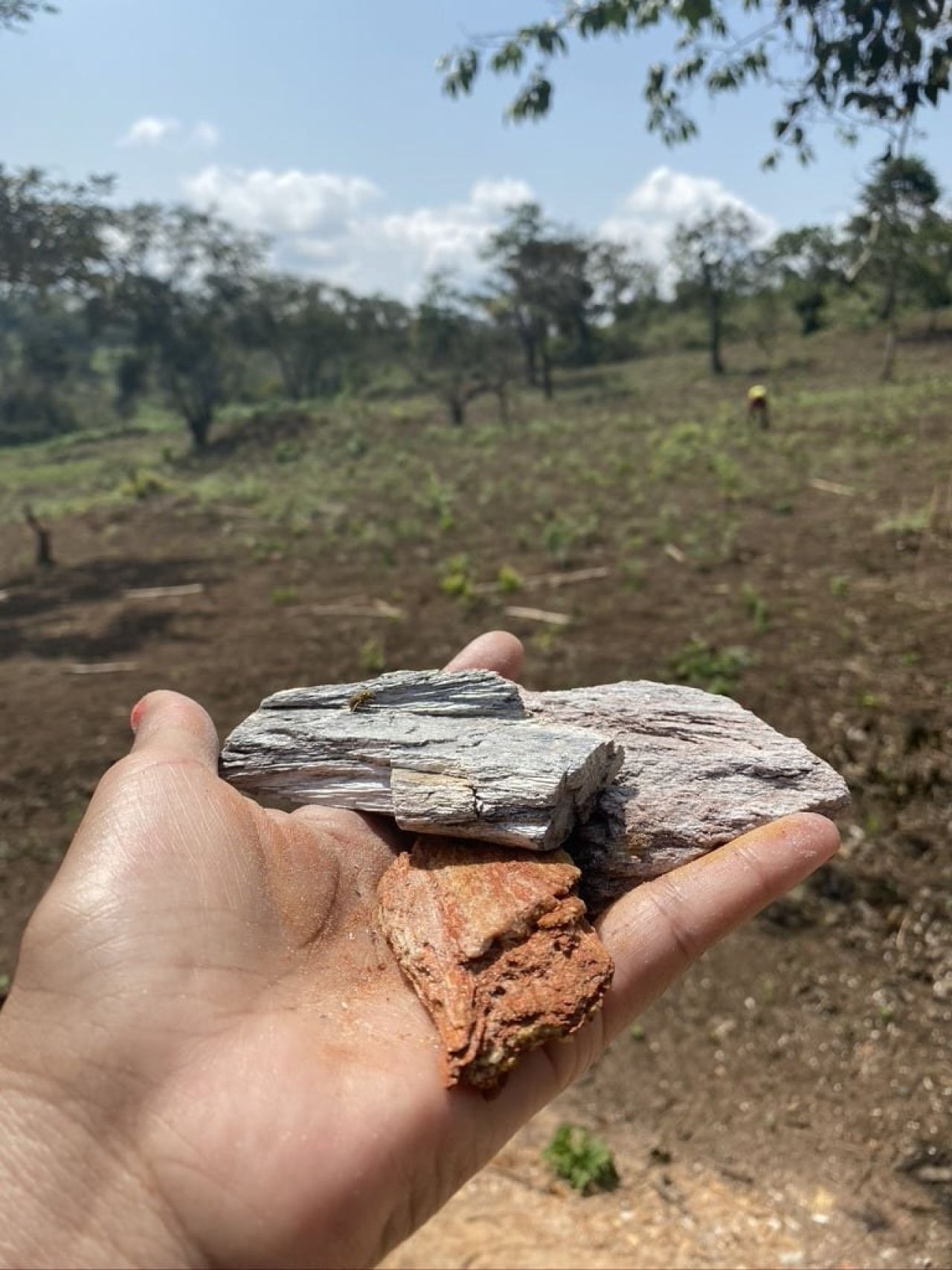
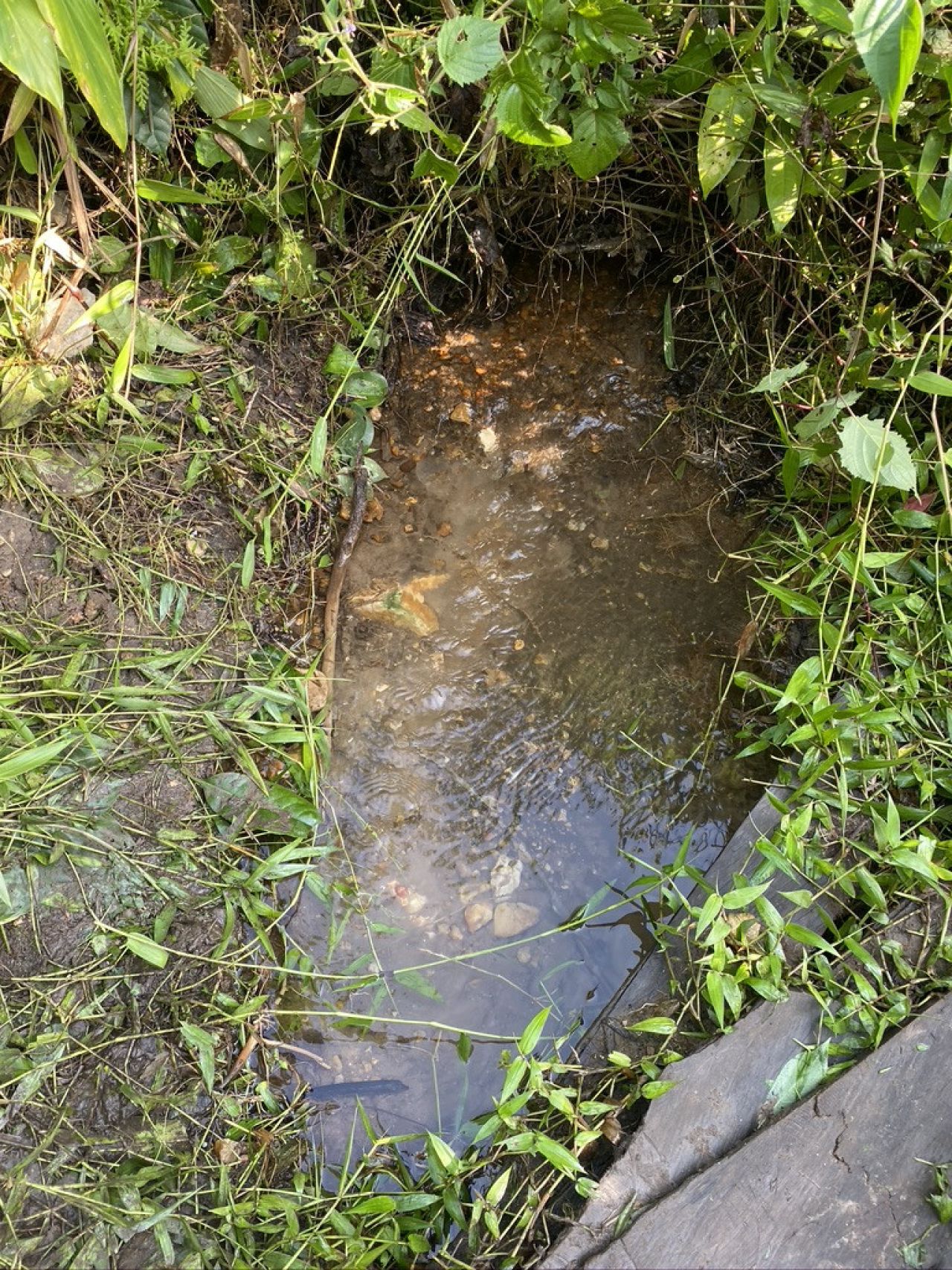
The vines
Jeanne planted a total of 1500 vines: 500 white and 1000 red. “I selected two grape varieties, partly to represent my father’s wine journey, but also my Afro-European background,” she says.
Her choice of white was Chardonnay. “It’s a neutral grape, early ripening, relatively easy to cultivate, and has the ability to adapt to different conditions and soils.”
For the red cultivar, she chose Pinotage from Springfontein. “It’s Africa’s signature variety,” she explains. “It’s easy to grow, ripens early, and is less sensitive to fungal diseases because of its thick skin.”
The vines were planted before sunrise, under foggy conditions, with a fresh breeze and temperatures hovering around 12 °C.
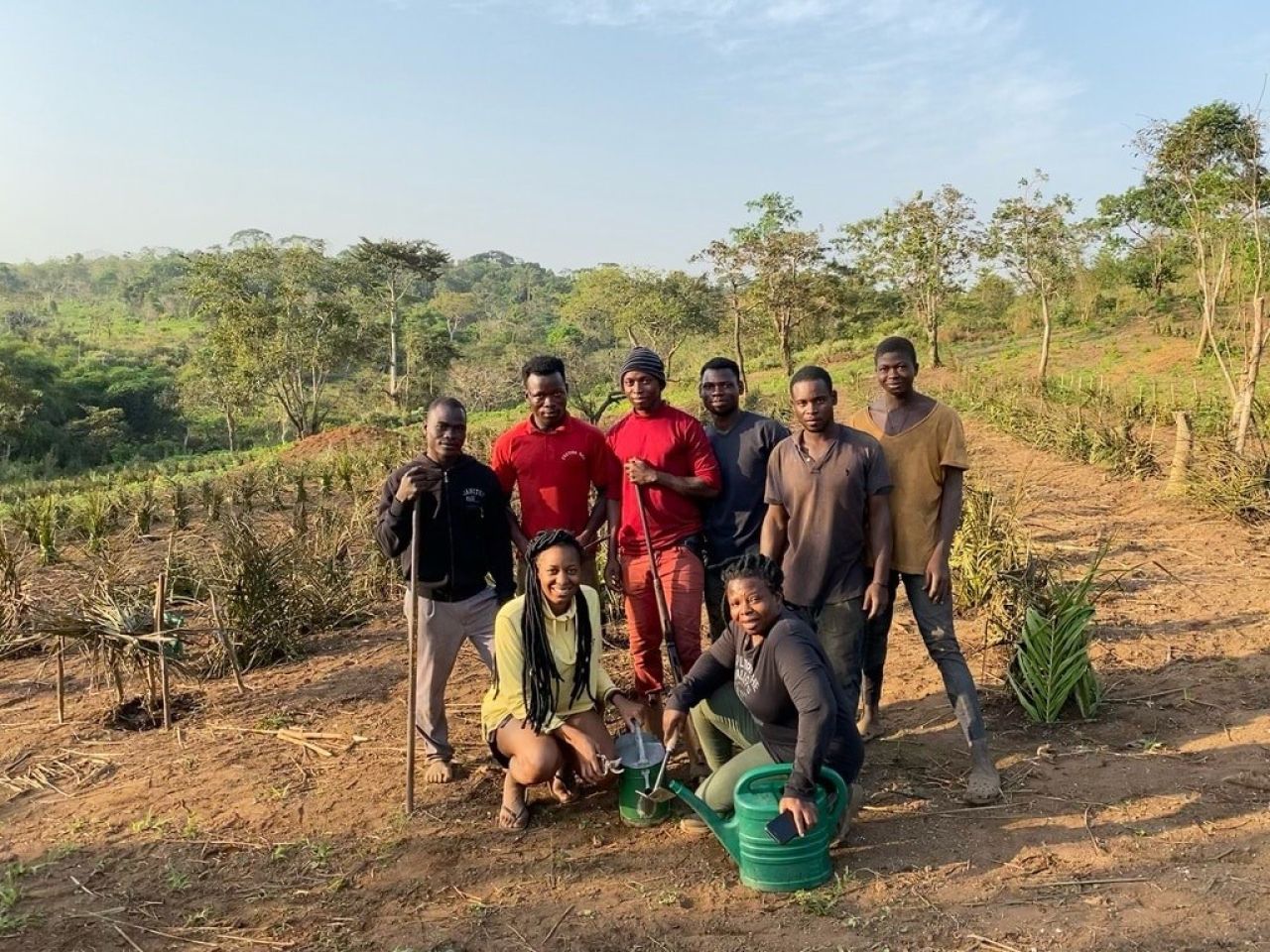
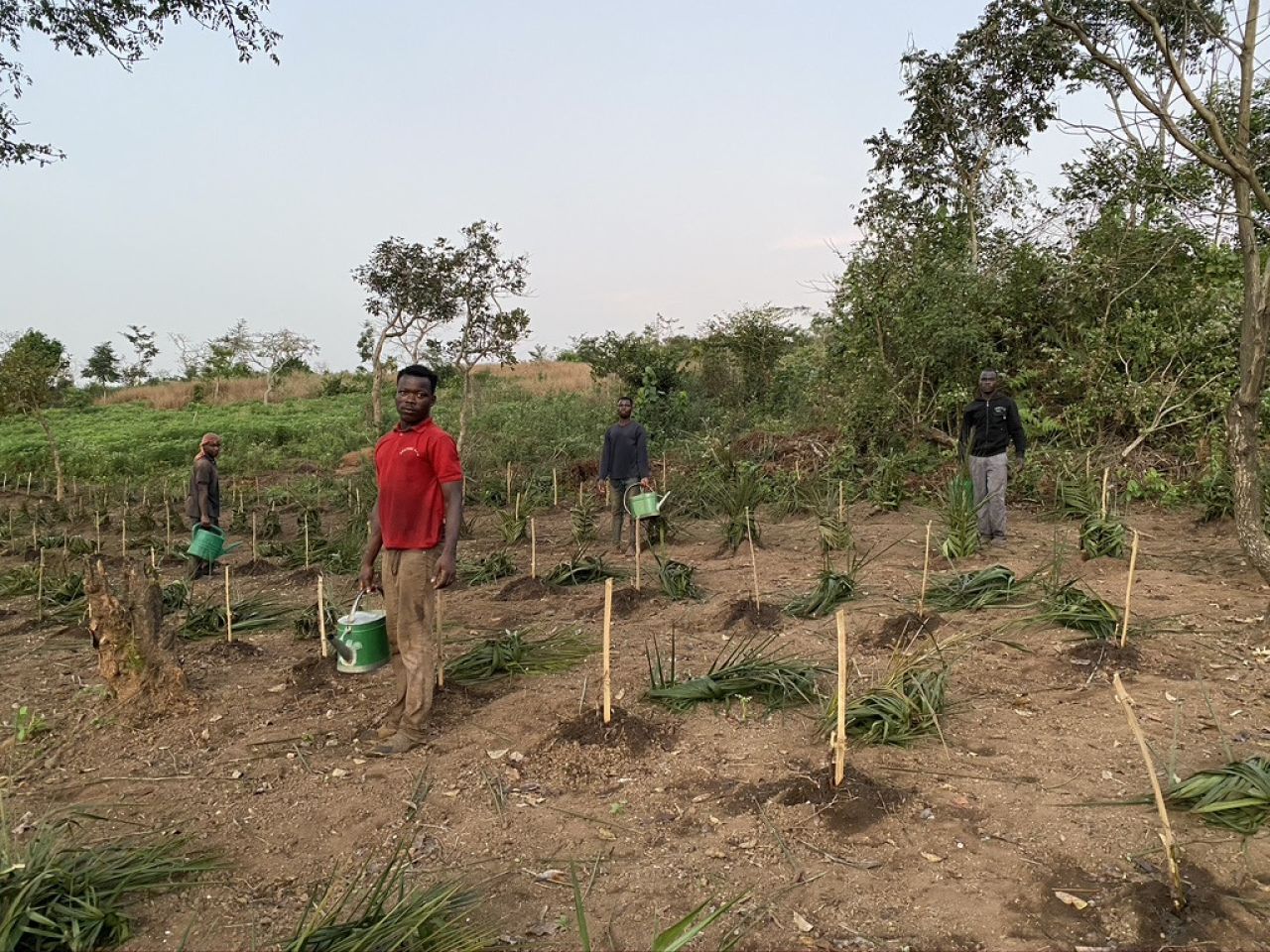
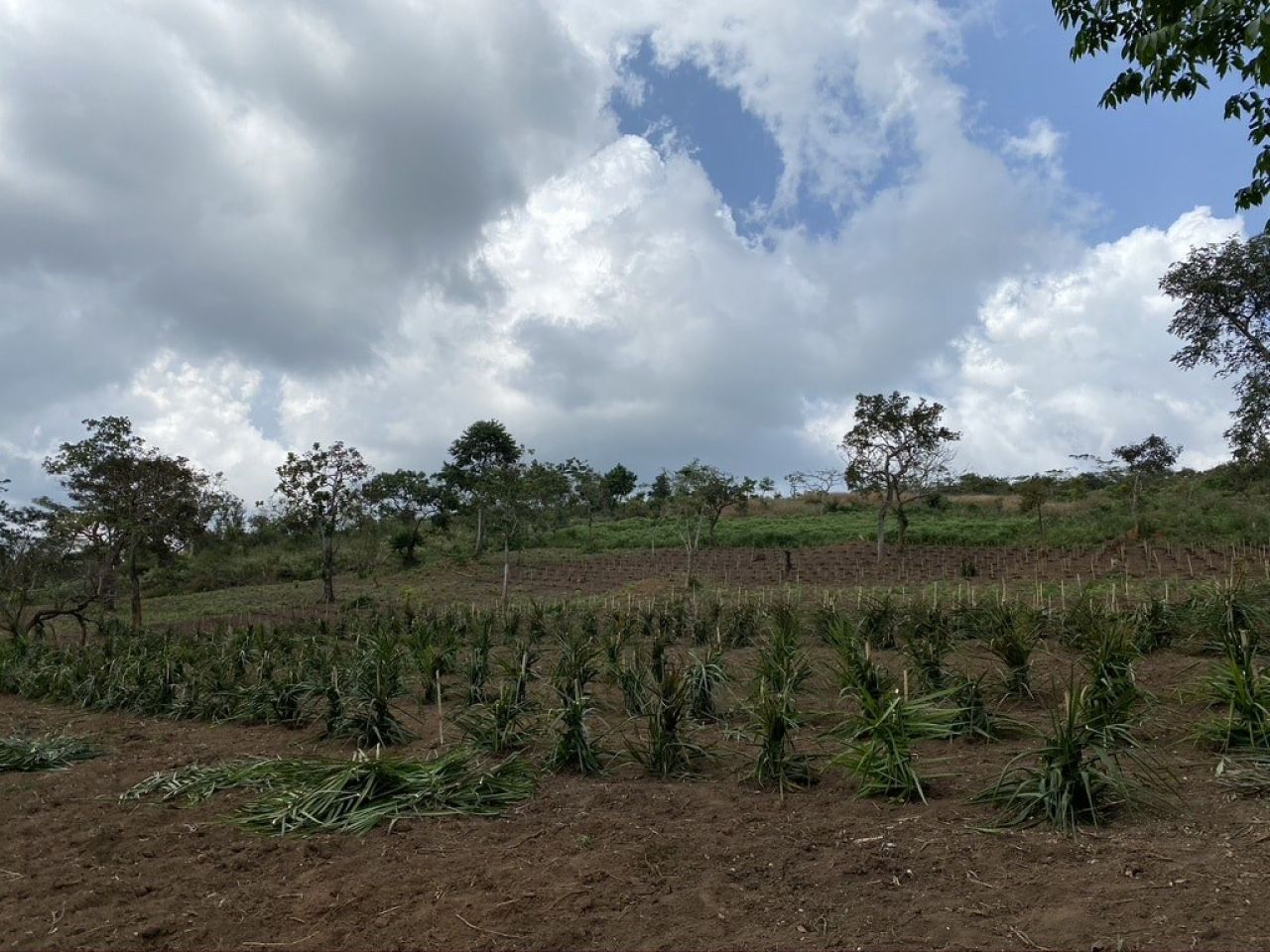
To protect the young vines against heat and sunburn, they cut and surrounded the vines with palm leaves. “This protective process, combined with abundant water, and extra ‘green hands’ care from the team, are major reasons why the vines are healthy and doing well today, after nearly two years,” she says.
“Although the project is still in its experimental stage (and will still be for another two to three years), it’s going into the right direction. We expect 2024-2025 to be ideal for starting the wine production. Fingers crossed!”
Teamwork
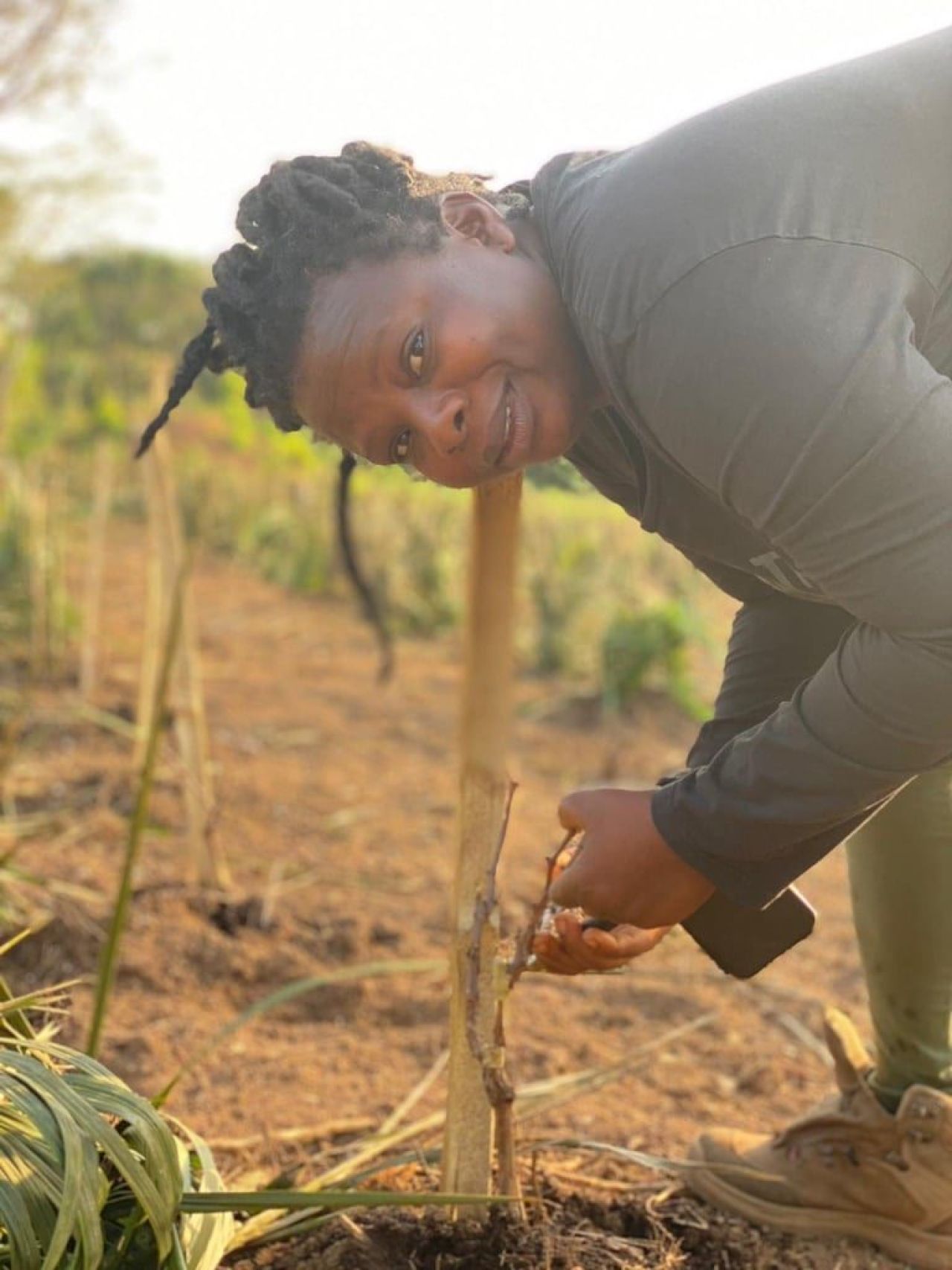
Jeanne attributes all success so far to the tremendous efforts of her team – in particular the site manager, Akouvi-Rolande Kpokou, whom she calls her ‘iron lady’.
“It wouldn’t have been possible without the terrific commitment of our local associations and the fantastic support of the rural community – men, women, and even the kids – helping us transport our equipment to the site,” she says.
The project was also greatly assisted by the Togo Ministry of Agriculture, which not only eased the considerable challenges to import the vines, but also helped to provide technical support through the Togolese Agricultural Research Institute (ITRA).

Challenges
Setting up such an ambitious and innovative project doesn’t come without challenges and uncertainties. “Until the final proof of winemaking from these vines have been demonstrated, it would be too risky to move forward with substantial further investment,” says Jeanne.
“For the time being, we must keep calm and remain patient. We’ve had to put some premature projects on standby, including an agri-viticultural training centre.”
Another challenge is limited infrastructure. In this rural region, considered Togo’s green lung, people depend on agriculture and eco-tourism activities. The region produces 80% of the country’s coffee and cocoa, and roads are essential for developing the area and facilitating agriculture.
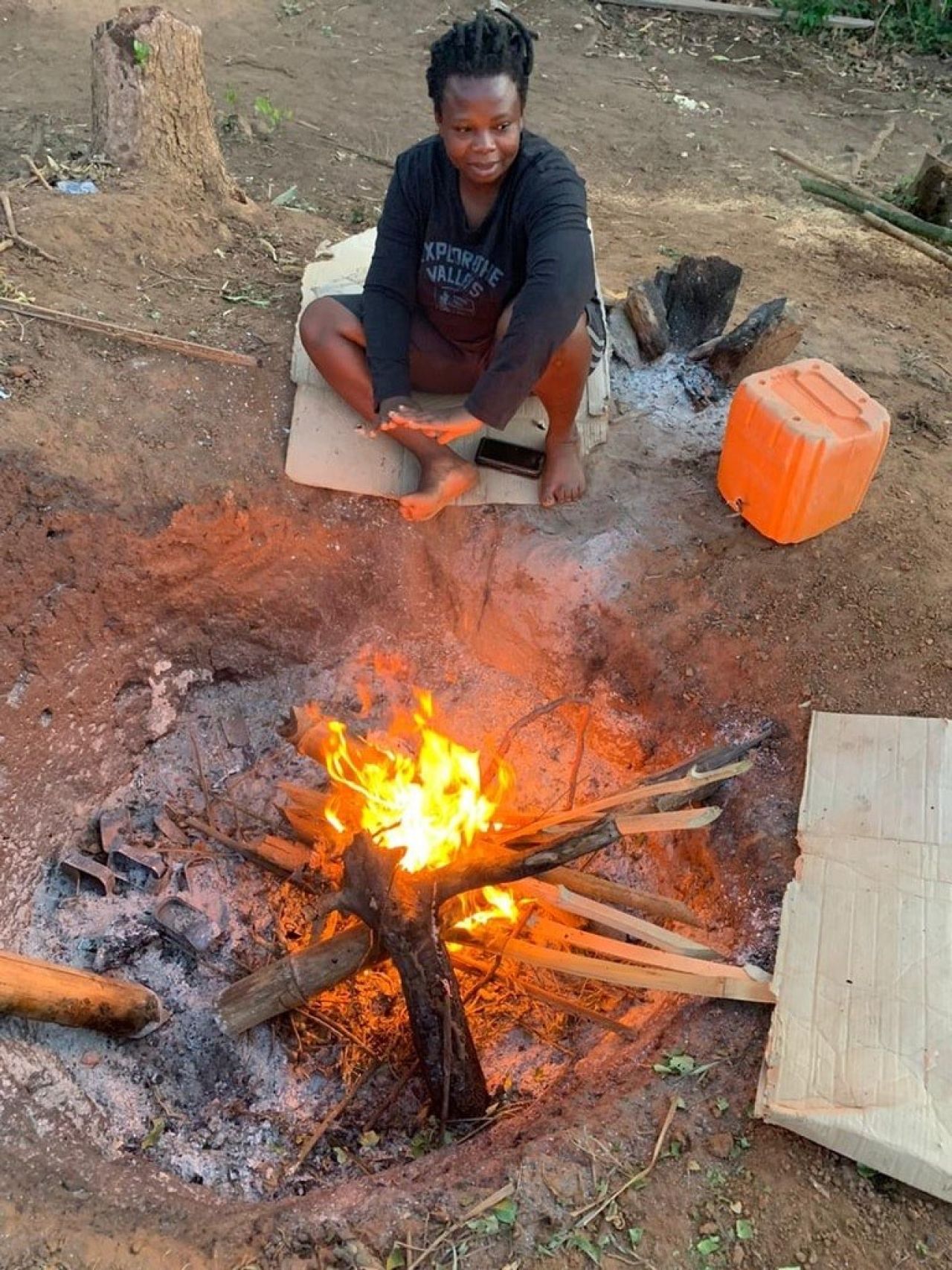
The only access to the experimental site high up in the mountain is a 1,5 hour hiking trail up steep crags. “The situation is slowing down the project and it will be necessary to build a small road within the next 24 months, otherwise the project could be compromised.”
Eyes on the prize
The painstaking progress hasn’t prevented the team from transferring their lessons between South Africa and Togo. Last year, for instance, Akouvi-Rolande came to Springfontein to learn about viti-viniculture and life on a wine farm. “She even brought the first Togolese grapes to Springfontein!”
“We took the opportunity of being all together in South Africa to create ‘Togother’ – a voluntary Springfontein internal programme that involves Springfonteiners in various technical and R&D activities and allows them to participate in problem-solving.”
The programme also involves planting another South African indigenous cultivar, Chenel, in the next 24 months (more about this in the August edition of WineLand, page 14). “It’s a neutral grape, ideal for warm regions since it’s resistant to rot, downy mildew, berry cracking and wet weather.”
“We also plan on setting up a small vine nursery in Togo.”
Divine appeals
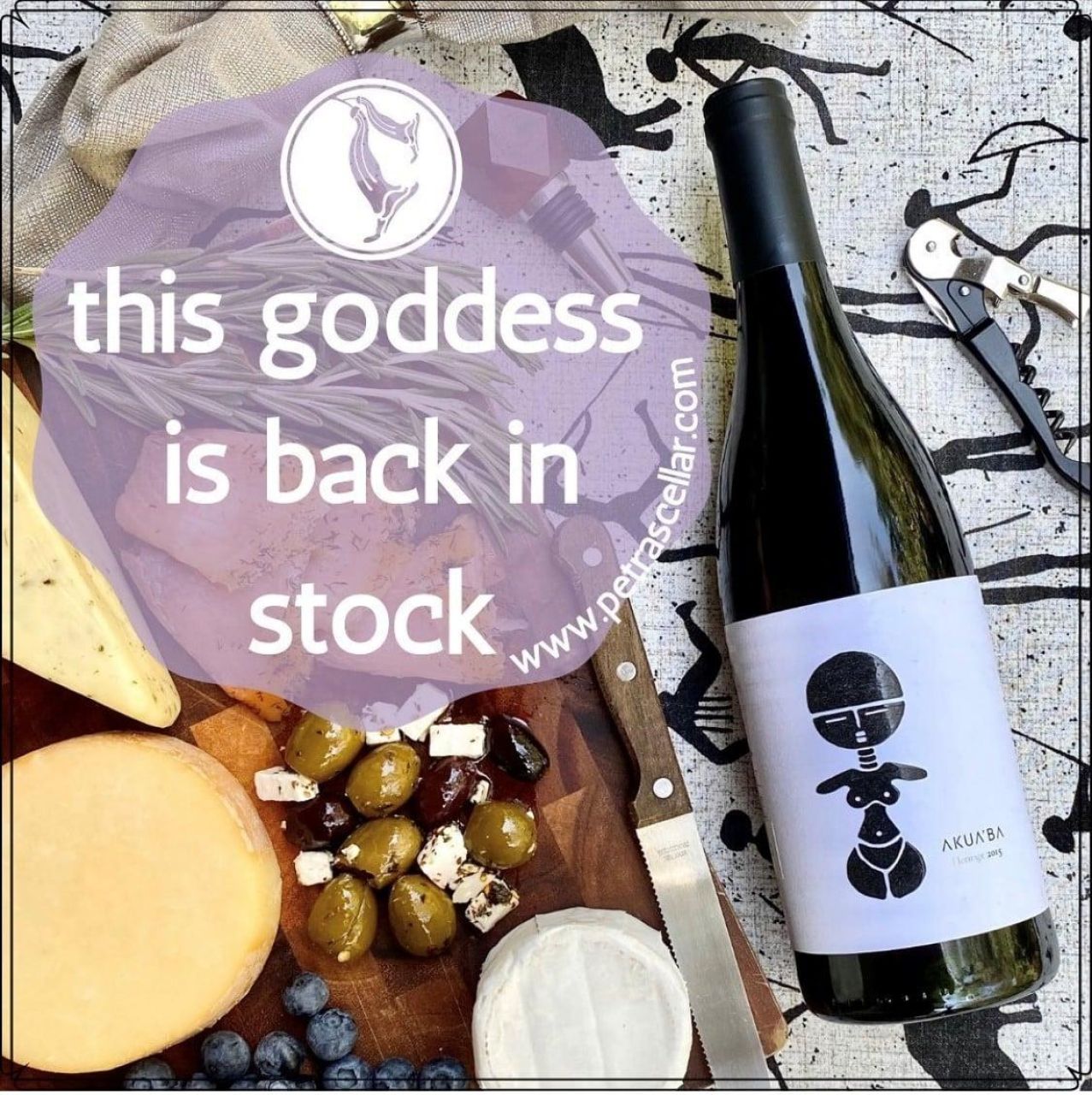
To raise funds and awareness about Togo’s vineyard project, Jeanne has produced two wine ranges at Springfontein, named after West African divinities. Mami Wata is the pan-African goddess of water, and Akua’ba represents fertility and abundance.
“To our surprise, the wines are now being sold outside of Africa, including in Europe and the United States.”
That probably won’t be the last surprise coming out of Jeanne Vito’s Togo vineyard project.


More from
Vineyard, cellar and production

Cellar hygiene
Maintaining a spotless wine cellar requires a comprehensive management plan, which includes structural design, equipment sanitation, environmental controls and routine microbial monitoring.
Making wine in Cape Town's Philadelphia ward
Havana Hills overlooks Table Mountain and the Atlantic Seaboard from its perch atop one of the region’s smallest wards, Philadelphia. Piet Kleinhans recently took over the reins as winemaker.
What's so special about wine globes?
Diemersdal places a strong focus on innovation, and there’s always something new up their sleeve. Wineglobes represent a new way of telling a story that’s centuries old.