
Minerality in Wine: Fact or fiction?
· 3 min read

How does soil influence the quality and taste of wine? And is the concept of minerality in wine a myth? By Lisa Lottering
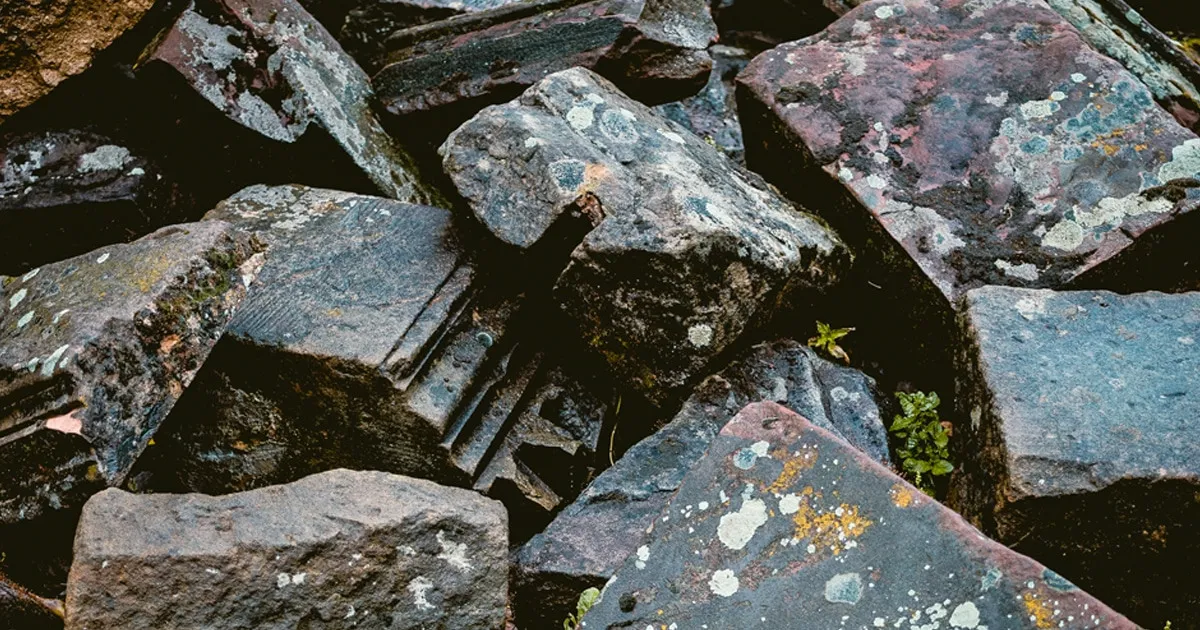
Minerality is a complex subject in the wine industry and is often used as a trendy descriptor. This term is believed to have been coined in the ’90s and like most wine descriptors it has evolved. “Minerality is a concept and not something that you taste,” Vinpro viticulturist Etienne Terblanche says. Minerality is common in cooler climates because fruity characteristics are like a sunscreen for berries (the compounds produced by the berries act as a sunscreen). Wine produced in sunny or more exposed areas is fruity, while in cooler areas grapes have less exposure to sunshine and it’s often wines produced from these grapes that are said to be mineral.
Myths
It’s said that if a winemaker has a high-mineral soil type, minerals enter through the grapes and consumers can taste them in the wine. This is a myth, Etienne says. “There are aroma compounds in the wine which form a certain flavour and consumers have started to identify that particular flavour as mineral,” he explains. According to a research paper from Food Chemistry, Sensory and chemical drivers of the wine minerality aroma: An application to Chablis wines, mineral wines are one of the most intriguing wine styles. The paper, published in 2017, describes minerality as an ill defined sensory descriptor commonly used today.
Research suggests that it’s not the presence of one type of compound but more the absence of others that produces minerality, Etienne says. Minerality can be a stylistic concept and a broad descriptor of wine.
KWV chief viticulturalist Marco Ventrella agrees that minerality is not clearly defined nor that it’s simply a flavour descriptor. “It’s highly subjective, extraordinarily changeable among people and by far the most abused and ill-defined term in wine,” he says. The term minerality often has a bad connotation because it’s poorly defined, confusing and hopelessly overused as a descriptor. “At best it’s confusing to the consumer and at worst it’s used to impart some esoteric quality to a wine devoid of more standard characters such as fruit, concentration and/or structure.”
Taste of minerality
Marco believes that, based on the sheer volume of use of this descriptor, minerality in wine exists, even if it’s only in the mind or frame of reference of the user. “What it means however is that it’s the subject of much debate and research worldwide.”
In his experience, the taste of so-called minerality in wine is a catch-all term for any of or a combination of tastes, textures or palate experiences. This includes characteristics such as stone- or pebble-like, crushed seashells, seaweed, chalky, flinty, saline and brightness to the acidity. It’s not merely an increase in the acidity as such but rather a quality or character of the acidity. “This often brightens the wine and fruit.”
Minerality (where appropriate) is important because, along with other wine attributes, it’s central to the aesthetic of a wine.
Soil diversity
KWV has vineyards across the Western Cape and their soil diversity is reflected in the soils of the other provinces ….
A full version of this article appears in the May 2020 issue of WineLand Magazine. Buy your copy here

More from
Vineyard, cellar and production

Think smart and save money
To be honest, cellar work is not always easy and can be draining and tiresome. This can sometimes lead to staff working on ‘autopilot’, but when the team stays consistently focused and pays attention to the small details, it can result in big savings or prevent major financial setbacks.

Biological control in winegrape production
South African wine producers are increasingly using biological agents as part of Integrated Pest Management (IPM) programmes to control pests and diseases while meeting growing environmental sustainability requirements across all farming systems.

Bioprotection, from harvest to fermentation
In modern winemaking, bioprotection has emerged as an innovative and sustainable strategy to improve microbial control while reducing dependence on sulphur dioxide.