
New ways with waste
· 3 min read
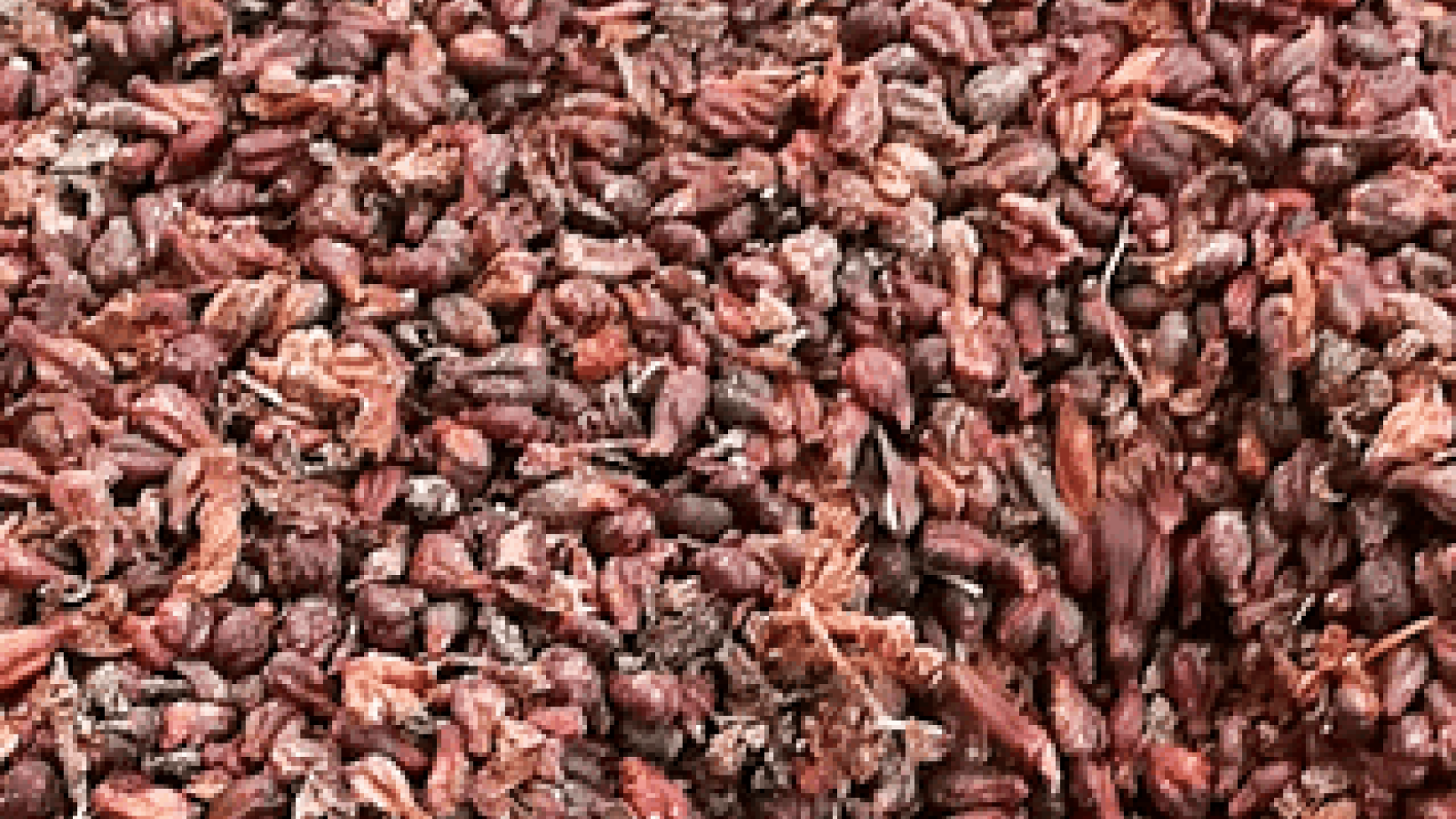
When you think about product proliferation and innovation in the wine industry, you can be forgiven for thinking grapes and wine only. One inspiring story about creating value from something as simple as the humble grape seed.
True Vine Grapeseed Products CEO Howard Jacobs is a marine engineer by trade who came up with his own specialised machinery to extract grape seeds from pomace. In 2013 he launched his company and the following year bought Tweefontein, a six-hectare farm near Worcester, to be closer to his existing wine cellar partners. The black-owned business was a runner-up in the Western Cape department of agriculture’s Entrepreneurship Recognition Awards in the category Emerging Agri-Processing Business in 2016.
“We saw the opportunity to create shared value in rural communities by taking winery waste and turning it into a value-added product that creates employment,” Howard says.
The process
“After the grapes have been pressed in the wine cellar and the juice extracted, you’re left with the skins, stalks and seeds,” Howard says. “We come in and process the waste using our customised machinery to extract the seeds. The seeds are sun-dried in a field, sifted and sold in bulk, and we provide the cellar with a clean, nutrient-rich compost without seeds that could germinate in the vineyard.”
Grape seeds have a variety of uses in the industrial sector. Grape seed oil is used as a carrier oil in the cosmetics industry and even as a health supplement when infused with cannabis oil. “Thanks to the chemical properties of the premium-quality oil that we produce from our sun-dried grape seeds it’s in high demand particularly in the health and cosmetics industries,” Howard says.
The sun-dried method ensures the highest quality, pure grape seeds, Howard says. “We’re fortunate to have the ideal hot, dry conditions that allow us to produce this level of quality, which is often compromised when grape seeds are dried in tunnels and artificial heaters as is the norm across the globe.”
The dream
Although they dream of expanding the business into cold-pressing the seeds to produce their own grape seed oil, for now True Vine focuses primarily on selling the seeds in the local market as export costs for the raw product are high. The by-product of cold-pressing the seeds for oil would be a seed cake that is used as a biomass pellet for renewable energy and animal feed.
Howard employs two permanent staff members, but is investigating other business opportunities to optimise the farm and create employment beyond the seasonal four months during harvest time.
The partners
True Vine has for the past eight years worked closely with Merwida Winery. “We’re really grateful for the partnership we had with Merwida Winery,” Howard says. “They helped us grow from a start-up to a fully-fledged enterprise. Our time with Merwida has ended, but we’ve had many learnings along the way and we’re ready to embark on the next chapter with potential new partners.”
While still with Merwida Winery, Howard and his 10-strong team would go ….
A full version of this article appears in the May 2020 issue of WineLand Magazine. Buy your copy here

More from
Vineyard, cellar and production

Cellar hygiene
Maintaining a spotless wine cellar requires a comprehensive management plan, which includes structural design, equipment sanitation, environmental controls and routine microbial monitoring.
Making wine in Cape Town's Philadelphia ward
Havana Hills overlooks Table Mountain and the Atlantic Seaboard from its perch atop one of the region’s smallest wards, Philadelphia. Piet Kleinhans recently took over the reins as winemaker.
What's so special about wine globes?
Diemersdal places a strong focus on innovation, and there’s always something new up their sleeve. Wineglobes represent a new way of telling a story that’s centuries old.