
Sawing back of grapevines for retraining
The decision to saw back and renew a vineyard requires thoughtful consideration. In certain cases, the inputs required for renewal are not justified by the likely outcome.
· 5 min read
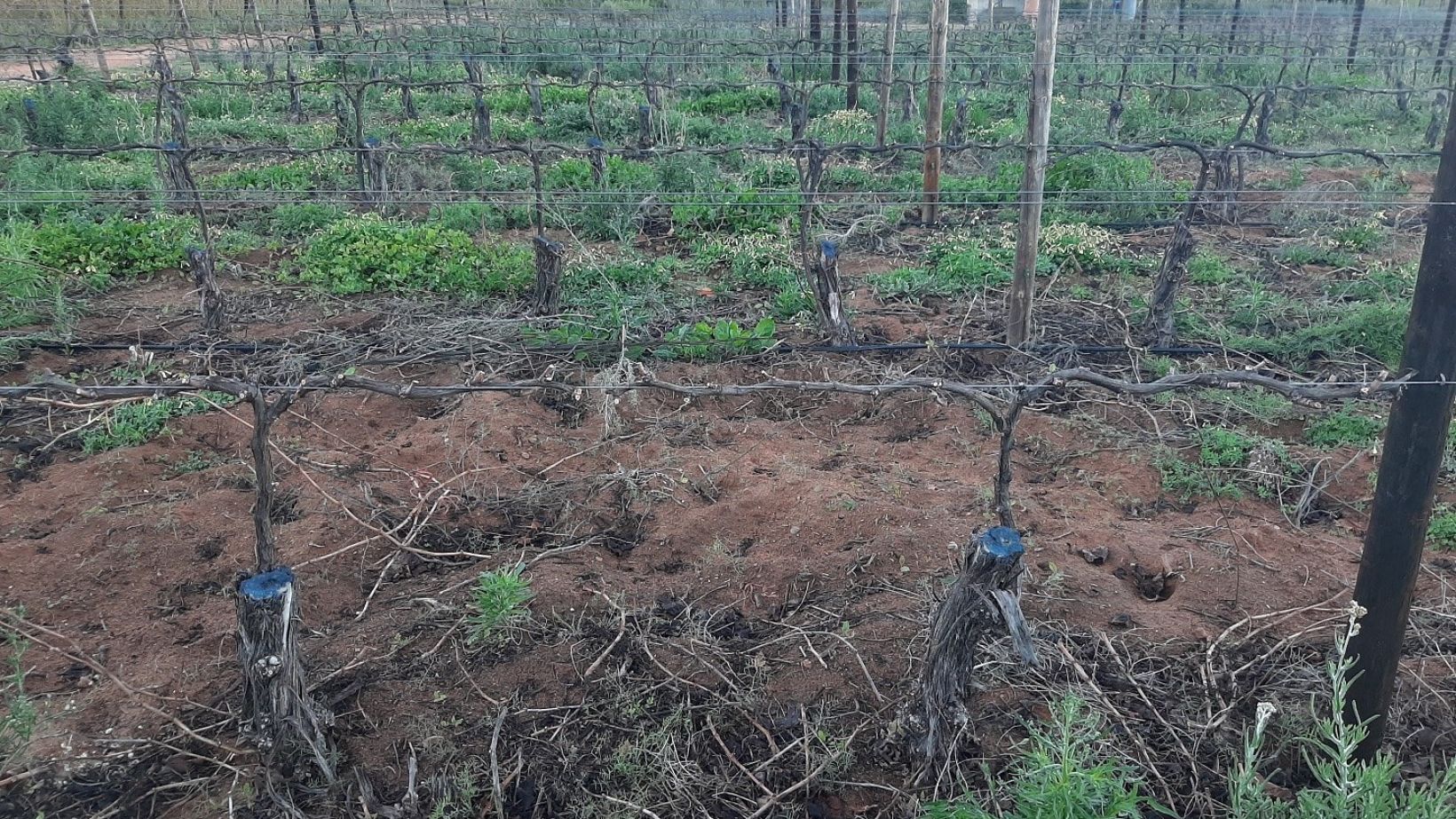
Which vineyards can be considered for sawing back and retraining?
There are a few scenarios where grapevines can be sawn back for renewal. The most common reason would be in older vineyards where Eutypa dieback is widely observed.
In this first scenario poor growth would thus present with lots of dead arms and/or bearers that could be renewed with great success.
The second scenario is when vineyards are mothballed during extreme droughts by sawing back the vines. In this way the vineyard will require much less water and won’t bear grapes in the following season. As soon as water is available again, the vines can be retrellised and the vineyard can thus be saved.
The third scenario refers to vines that are sometimes sawn back in order to raise the cordon for various reasons, for example in blocks that regularly suffer frost damage.
Vineyards that won’t benefit from sawing back and retraining
The decision to saw back and renew a vineyard requires thoughtful consideration. In certain cases, the inputs required for renewal are not justified by the likely outcome.
One such example is vineyards that display weak growth due to poor long-term practices, like incorrect and poor soil preparation and/or inferior planting holes. In these cases, the vineyard will not show much improvement after renewal.
Then there are also examples where vineyards have been infected with viral diseases, like leafroll or fanleaf virus. Renewal will likewise not lead to improvement in such cases, as producers cannot eliminate the virus by sawing back.
How and when are vines sawed back?
Vineyards are sawed back in winter during the normal pruning period. Saw the trunk at an angle to prevent water accumulating on the sawing wound.
Paint the wound with a wound sealant within 24 hours after sawing back. Preferably use a wound sealant containing Trichoderma.
Vines should be sawn back at least 10 cm below the position on the trunk where the most recent trunk pathogen symptoms are visible, but above the graft union. In the other cases as mentioned above, the trunks can be sawed back at any position.
Note that sawed back vines will bud approximately two weeks later than normal.
Retraining of sawed back vines
Green shoot development is performed as normal. The vine will grow very vigorously due to the well-developed root system and ample reserves in relation to the amount of buds that will bud.
Ensure that sufficient labour is regularly available to perform timely actions for green shoot development. The big risk with retraining, is that the internodes can become too long to assign the necessary spurs due to the vigorous growth.
Timely flattening of shoots and topping actions are thus required to obtain shorter internodes. The shoot that will be used to form the new trunk, should preferably be located more than a hand’s length below the sawing wound.
The uppermost shoot should therefore not necessarily be used to form the trunk. The wound will dry out like a pruning wound and this could also extend to dry out the new trunk, which will impede sap flow and result in a weak vine.
The entire new trunk could possibly also die back. A mechanical harvester would also be able to snap such trunks easier in the area around the sawing wound.
Factors to take into account
The cordon wire will in most cases have to be cut and removed during the sawing back process, as it is usually not possible to remove the cordon arms from the intertwined cordon wire. A new cordon wire is thus required and this also offers the opportunity to change the position of the cordon wire if desired.
The vines will not bear grapes in the first growing season after sawing back and crop control will likely have to be performed on the first crop load in year two. Monitor the soil moisture status regularly during the first season after sawing back, as over-irrigation can easily occur due to the smaller canopy in comparison with the root system and subsequent lower water consumption.
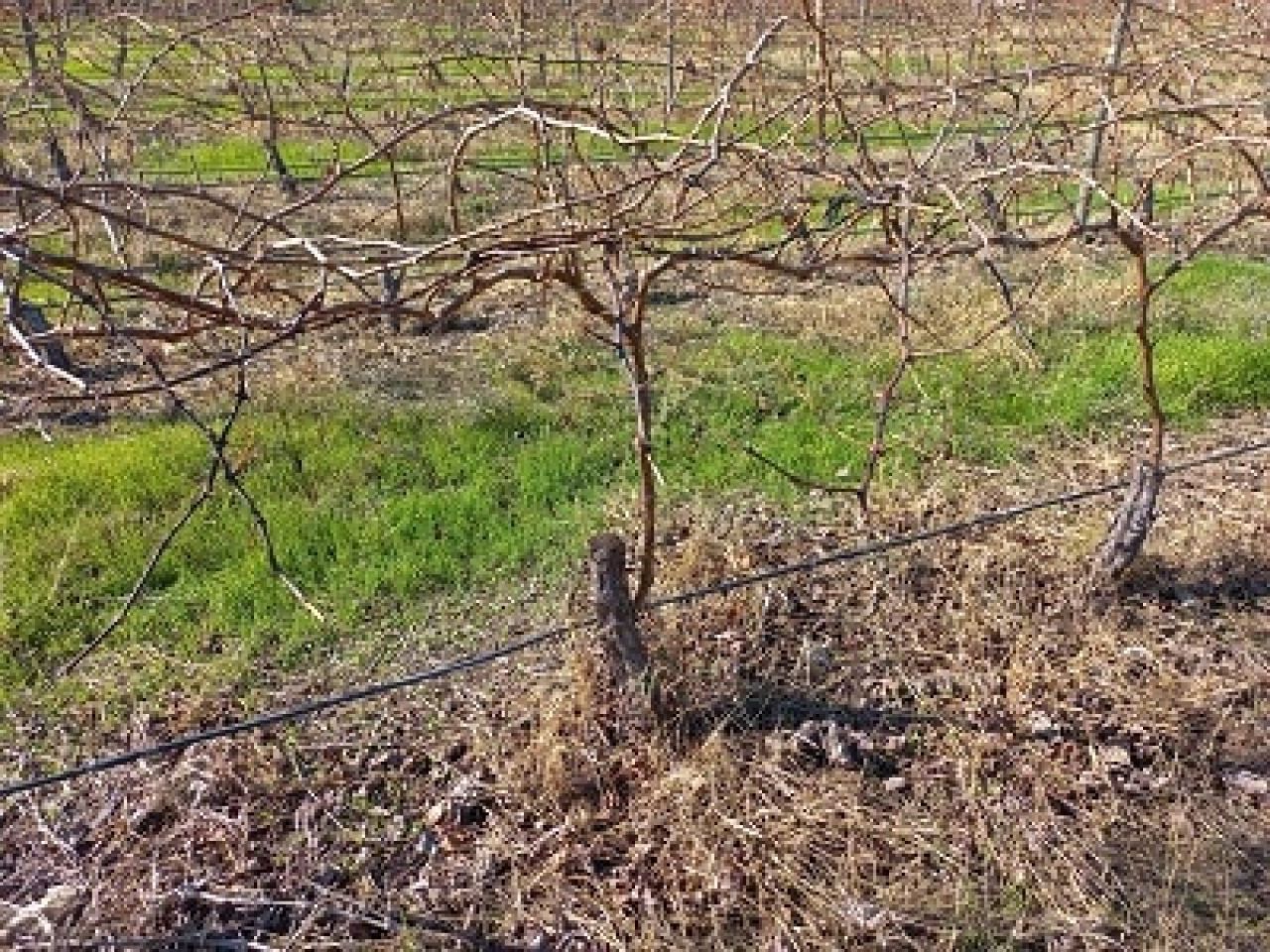
PHOTO 1. One year after sawing back. The correct method for sawing back and retraining is illustrated here. The shoot that was used to form the new trunk, is in the correct position. Vine development is correct and was done on time. Vine growth was very poor (30 - 50 cm shoot length) due to dieback with lots of dead arms and spurs. Note the vigorous growth after sawing back.
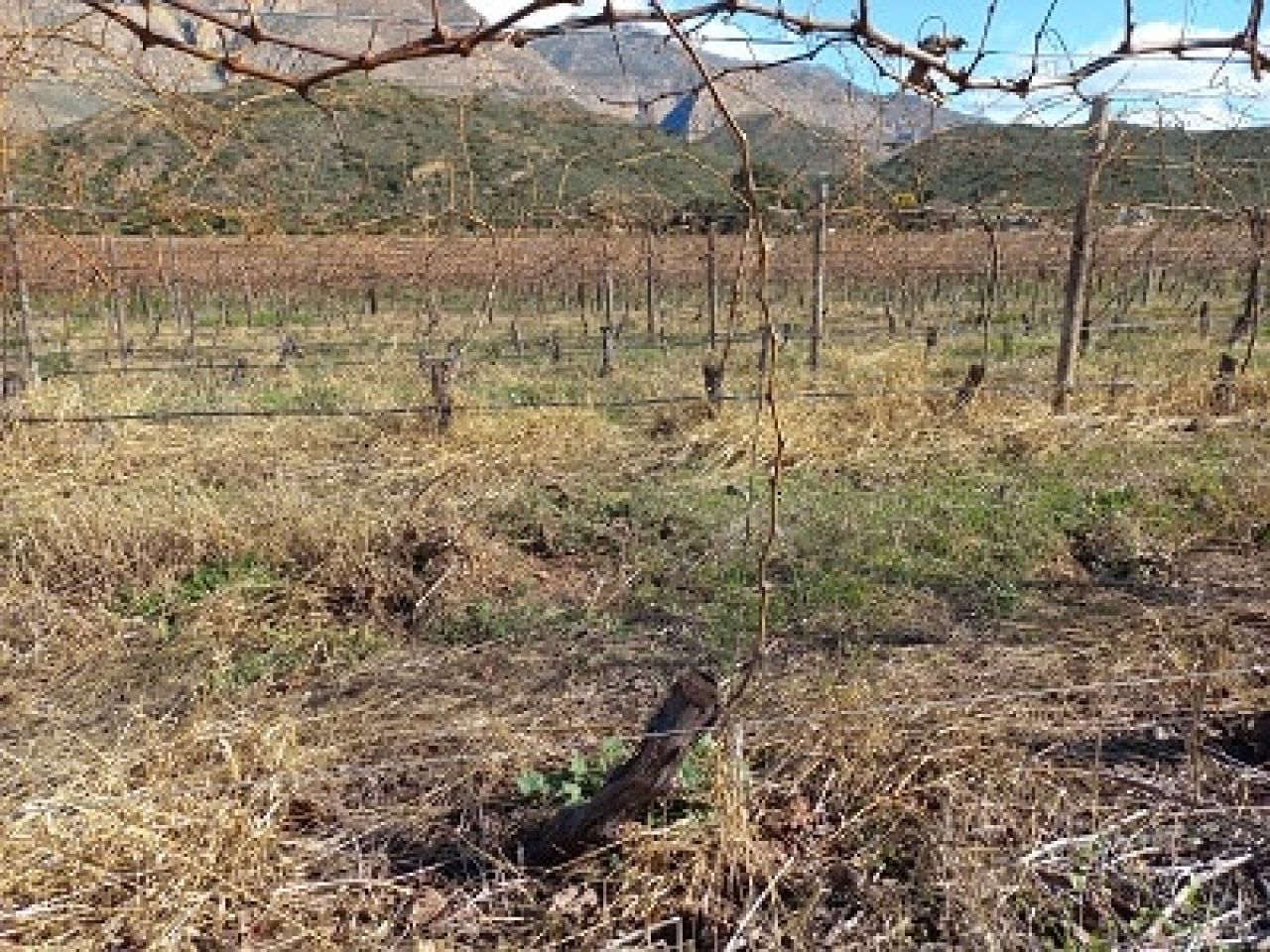
PHOTO 2. One year after sawing back. This vine is in the same block as photo 1. Note that the shoot used for forming the trunk, is located very close to the sawing wound. The growth is significantly weaker than the vine on photo 1 and this can most likely be attributed to the sawing wound drying out all the way to the shoot, and impeded sap flow. It is therefore crucial to use a shoot that is located at least a hand’s length below the sawing wound to form the new trunk.
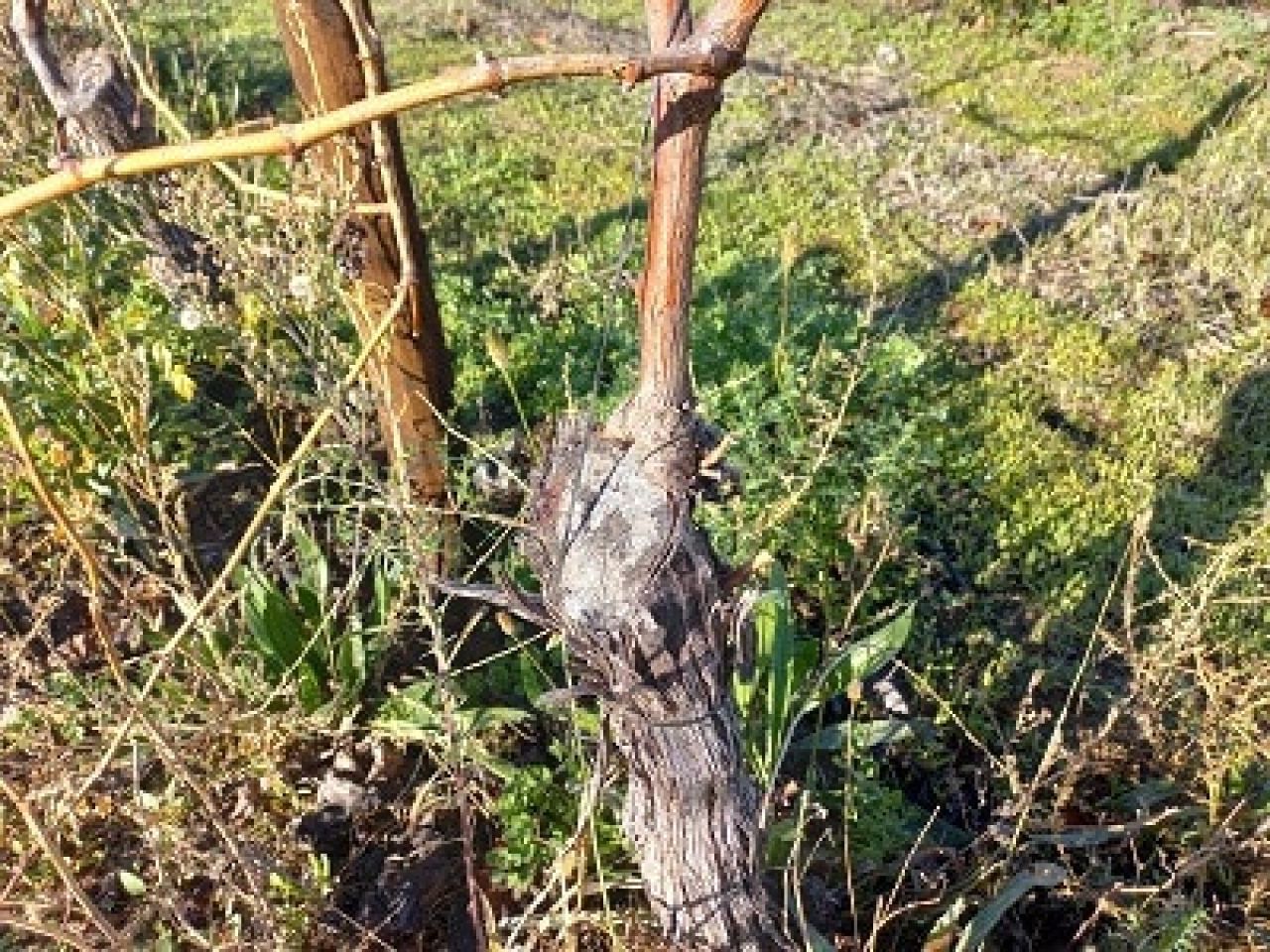
PHOTO 3. The top shoot closest to the sawing wound was used for this trunk. This is not ideal as the wound can dry out, which impedes sap flow, and a mechanical harvester will also break this trunk easily. Note that there was also no space to attach the training string and it had to be fastened under the shoot forming the new trunk. On the photo it is evident that the string is already starting to strangle the trunk.
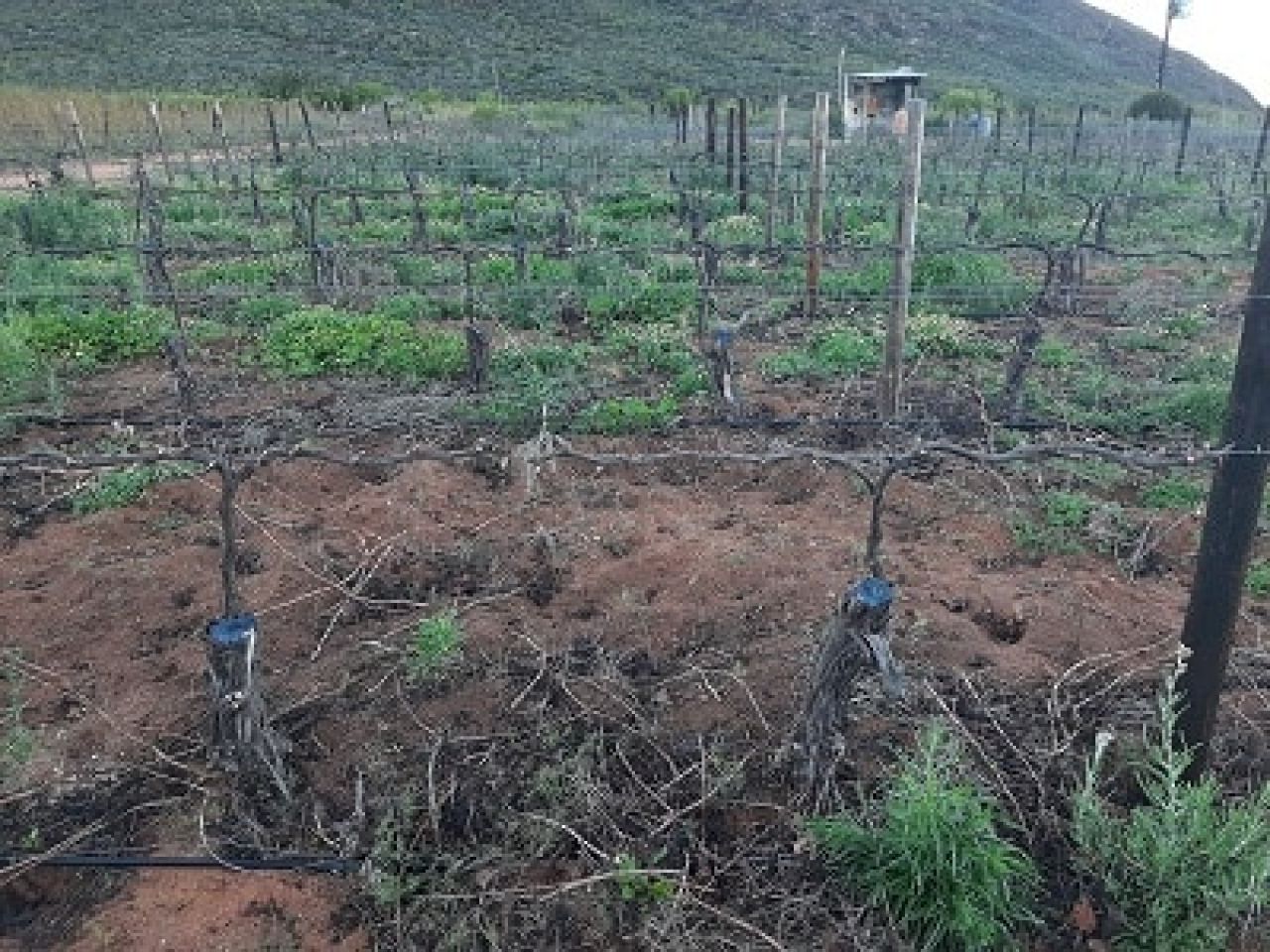
PHOTO 4. Two years after sawing back. Note the good vine development. No dead or infertile vines are visible.
– For more information, contact Hennie Visser at [email protected].
Click here to get your copy of WineLand Magazine and here to subscribe to our newsletter.

More from
Vineyard, cellar and production
How to understand regenerative farming
Regenerative farming is becoming part of the language of modern viticulture, but what does it actually look like in a vineyard?
JC Smith praat oor wynmaak in die Oos-Vrystaat
JC Smith is ’n derdegeslag-wynmaker. Sy oupa Dassie en pa Flip was albei wynmakers, en hy het tussen wingerde en wynkelders grootgeword. Hy is tans die wynmaker by Blydschap in die Oos-Vrystaat.
Cellar hygiene
Maintaining a spotless wine cellar requires a comprehensive management plan, which includes structural design, equipment sanitation, environmental controls and routine microbial monitoring.