
The soil beneath our feet
Recent weather across the Cape has offered a reminder that farming is increasingly defined by extremes. Heavy rain, flooding, cold fronts, strong winds, and sudden changes in seasonal patterns are part of the reality producers are managing on the ground, forcing them to reconsider how they can…
· 4 min read

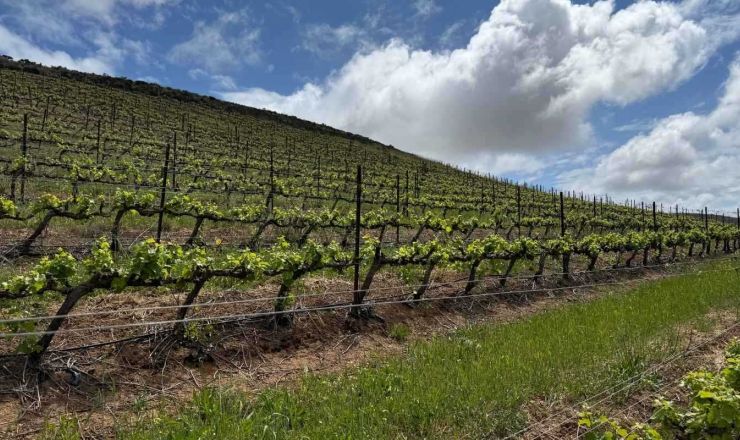
Stellenbosch has always been shaped by its soils. Decomposed granite, sandstone, clay, elevation, slope and maritime influence all contribute to the character of the region’s wines. But in a time of weather volatility, soil is becoming one of the most important measures of vineyard resilience. “If this seasons has taught us anything, it is that resilience cannot be built overnight,” says Karl Lambour, General Manager of Tokara Wine & Olive Estate. “A vineyard’s ability to recover from stress, whether that is too much water, too little water, heat, wind or disease pressure, depends on the condition of the system long before the weather event arrives. Soil health is at the centre of that.”
Around the world, wine regions are responding to environmental pressures that feel increasingly familiar to those that South African producers face. This ranges from irregular rainfall, higher temperatures, drought cycles, sudden heavy rain, fire risk, pest and disease patterns, rising input costs and growing concern about the long-term health of agricultural soils.
South Africa is not entering this conversation late. The country has long had a credible framework through associations such as the Sustainable Wine South Africa and the Integrated Production of Wine scheme. This gives local producers an important foundation. But recent weather events show that the next chapter must go further than compliance. It must consider how vineyards, soils, people and farming systems respond when conditions are no longer predictable. “Sustainability is often spoken about as if it is a separate project, but in wine it sits at the centre of everything,” Karl says. “If you are serious about quality, you have to be serious about the land. The vineyard is where its future is either protected or compromised.”
Building resilience
When storms pass, the visible damage is often what receives attention first, from waterlogged roads, erosion, flooding, damaged infrastructure or disrupted operations. In vineyards, however, some of the most important consequences are less immediately visible. Soil structure, drainage, microbial life, organic matter and root health all influence how a vineyard absorbs, holds and releases water. They also affect how vines recover after stress and how well they perform when the next dry spell or heat event arrives. “At Tokara, we see soil health as one of the most important long-term investments we can make,” Karl says. “You cannot separate wine quality from the condition of the soil. The more life and balance you build into the vineyard, the better equipped the vine is to deal with pressure.”
This means paying closer attention to cover crops, compost, mulching, organic matter, reduced soil disturbance, biological activity and the way water moves through the soil profile. It also means looking at soil as something that must be actively protected and improved over time.
A resilient soil system cannot remove the risks of heavy rain, drought, heat or wind. What it can do is help buffer the vineyard against them. “Healthy soils give you options. They improve how the vineyard holds water, how roots develop and how vines respond when conditions are not ideal. In a changing climate, that resilience becomes incredibly valuable.”
The local opportunity is to tell a more grounded sustainability story that relies on the daily work being done in the vineyards. This includes conserving water, encouraging biodiversity, managing pests more carefully, clearing alien vegetation, reducing unnecessary inputs and planning more carefully for fire risk. “We should be confident, but not complacent,” Karl says. “South Africa has a strong sustainability story, and Stellenbosch has a remarkable wine heritage. The next step is to keep proving that our heritage is being actively cared for.”
The future of sustainable wine production in Stellenbosch will be defined by many small, deliberate decisions repeated over time. In a region where the finest wines are inseparable from place, the future depends on how carefully that place is protected. “At the heart of it, we are custodians. We inherit vineyards, soils and landscapes that were created long before us, and our responsibility is to leave them stronger than we found them. That is how Stellenbosch protects its place in the world.”

More from
Vineyard, cellar and production

Cellar hygiene
Maintaining a spotless wine cellar requires a comprehensive management plan, which includes structural design, equipment sanitation, environmental controls and routine microbial monitoring.
Making wine in Cape Town's Philadelphia ward
Havana Hills overlooks Table Mountain and the Atlantic Seaboard from its perch atop one of the region’s smallest wards, Philadelphia. Piet Kleinhans recently took over the reins as winemaker.
What's so special about wine globes?
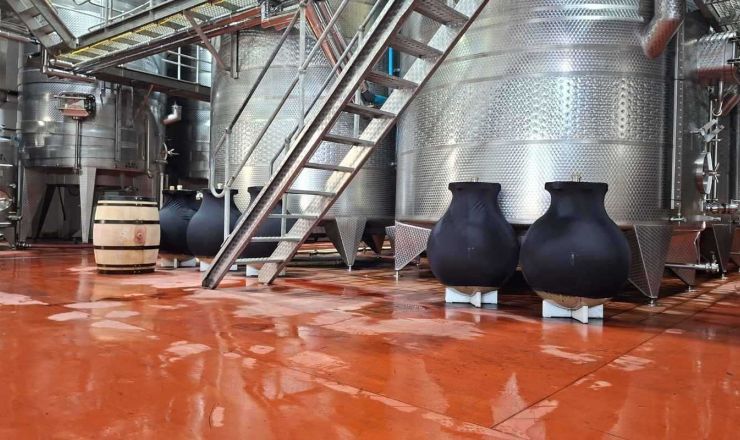
Diemersdal places a strong focus on innovation, and there’s always something new up their sleeve. Wineglobes represent a new way of telling a story that’s centuries old.