
Why wine cellars and breweries need forensic engineering
The collapse of wine tanks at Darling Cellars in 2021 made industry news, and when forensic metallurgists were called in to analyse what had happened, they found that poor manufacturing had caused the failure, resulting in massive losses for the wine business.
· 3 min read
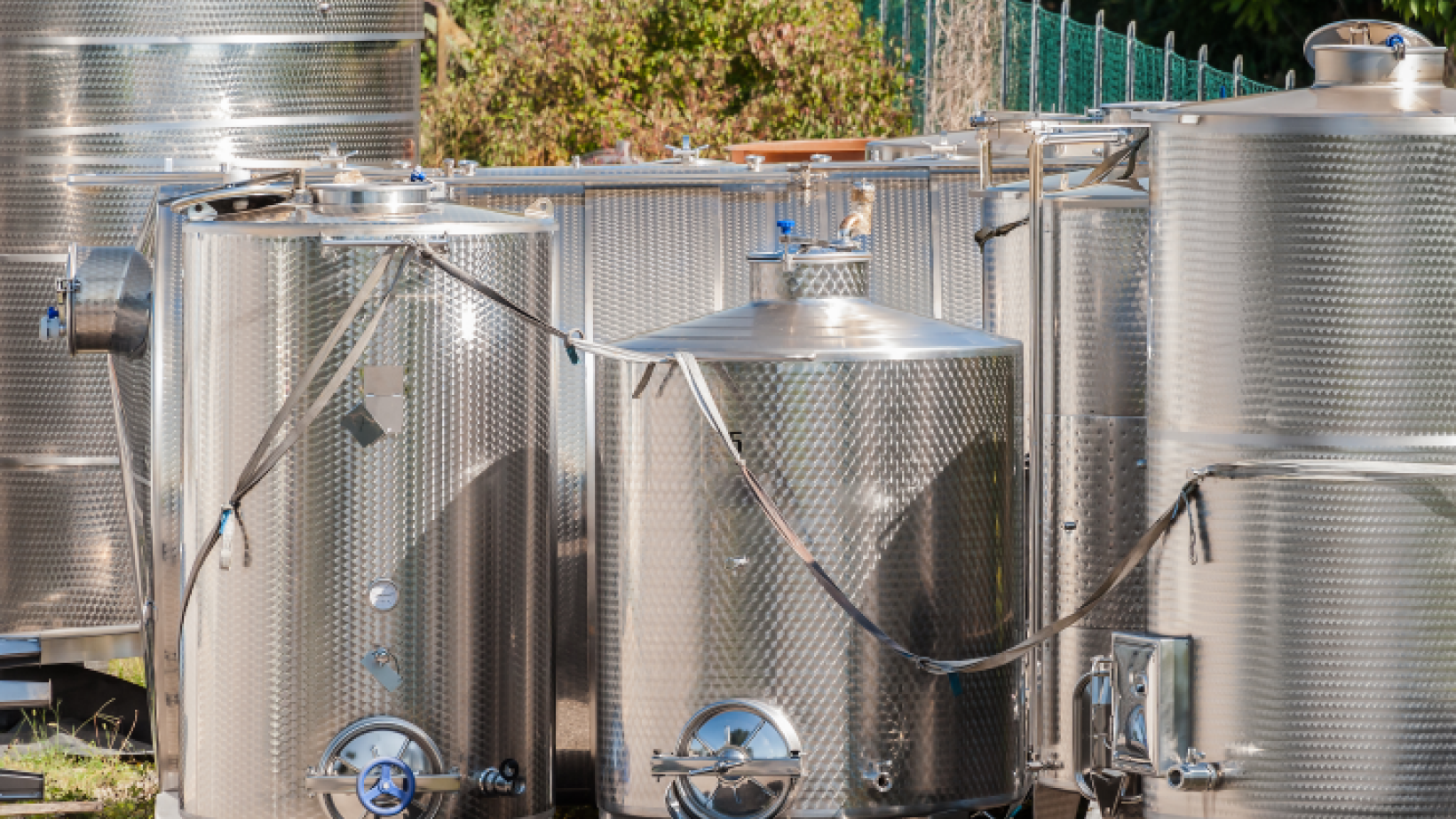
It’s not an isolated incident. Namaqua Wines has suffered similarly. The team that helped these companies find solutions was led by materials engineer Dr Janet Cotton of leading local forensic metallurgy company One Eighty Degrees.
The need for metallurgical forensic analysis in the food and beverage industry is clear. It’s important to know why things broke to prevent them from failing in the future. ‘Failures happen in the materials of construction,’ Dr Cotton explains, ‘so you need to be able to look at the failure, at the fractured surface or the failed area, to give you the clues as to why the failure occurred. You need to know why and how materials behave under stress.’
To uncover ‘whodunnit’, various metallurgical and materials engineering analysis tools are employed, including high-tech analysis tools such as scanning electron microscopy, mechanical testing, tensile testing, impact testing and hardness testing. And part of the training as a materials engineer is learning how to use these techniques, and how to interpret the results. ‘Some of the very advanced investigative tools are Fourier Transform, infrared spectroscopy, X-ray diffraction and atomic force microscopy,’ Dr Cotton explains. ‘I could go on and get very excited about the number of fantastic diagnostic tools available to us, but the thing about being a qualified materials engineer is that you need to understand how these methods work. You need to know how to interpret the information, and if you can’t do that correctly, you can make a horrifically poor judgement as to what you’re seeing and interpreting from the results and data.’
In her career, Dr Cotton is most proud of having applied some of these techniques to solving for South African Breweries’ stress-cracked hot water line in Newlands back in 2002. Her recommendations are still going strong today, having robustly outlasted their anticipated 20-year lifespan. On the bottling side of the food and beverage industry, Consol Glass has benefited from increased longevity for their glass-blowing moulds by taking her advice.
Now Dr Cotton is on a new mission: to make her field more widely known in this country. ‘The problem that we have in South Africa is that people don’t really know about, understand, perceive or consider the value of forensic root-cause analysis.’
Recently, she launched the country’s first Root Cause Analysis Conference, which ran at the Vineyard Hotel in Cape Town from 11 to 14 March. The speaker line-up featured a range of global and sub-Saharan thought leaders and experts. To find out more about the event and this specialised field, visit https://www.one-eighty-degrees.com/.

More from
Vineyard, cellar and production
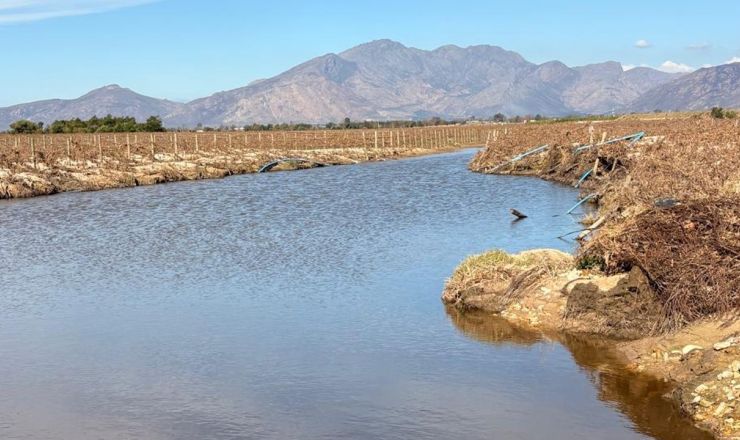
Flood damage - what next?
In light of the unprecedented floods during the second week of May 2026, this article offers a few guidelines on how flood risks can be approached and assessed.
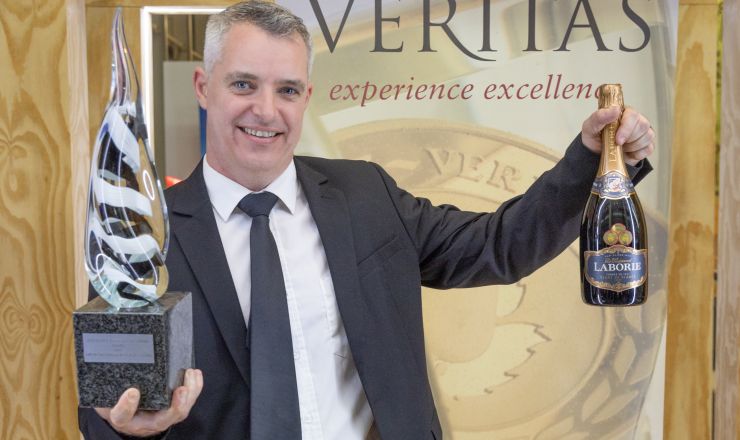
One vineyard. Eight components. Five years of patience.
When KWV’s Laborie Blanc de Blancs 2020 claimed the Duimpie Bayly Vertex Trophy at the 2026 Veritas Awards, it was more than another win for the Paarl-based producer. It was only the third time a Cap Classique had taken the competition’s highest honour, selected from 1 293 entries.
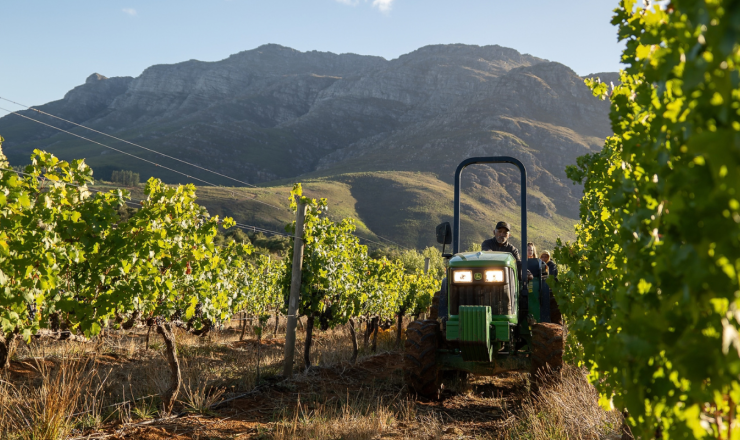
How to understand regenerative farming
Regenerative farming is becoming part of the language of modern viticulture, but what does it actually look like in a vineyard?