
Registrations now open for the 2022 regional information days
Registrations are now open for the Winetech and Vinpro regional information days from 10 to 18 May.
· 3 min read
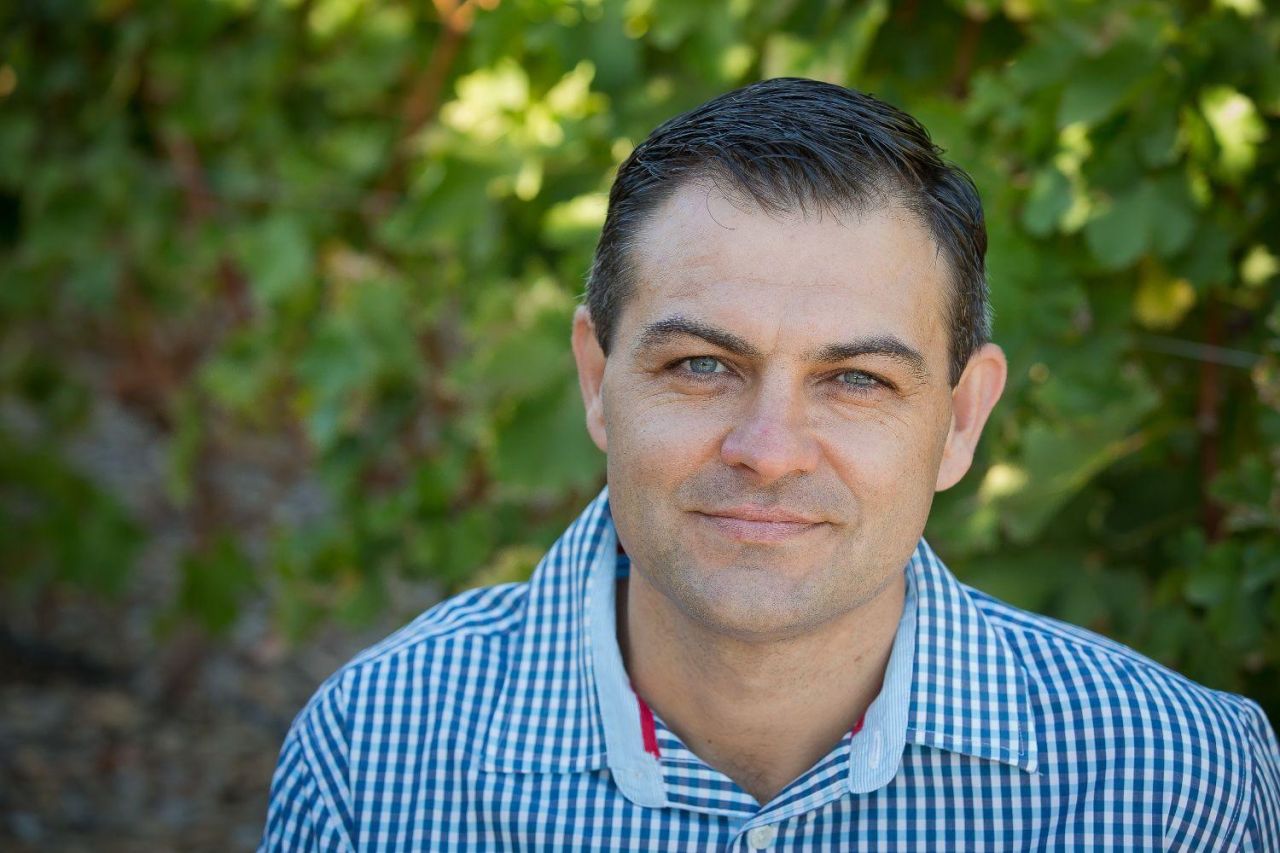
“These morning sessions in five wine grape growing regions provide the ideal opportunity for wine grape producers, cellar representatives, viticulturists and other roleplayers in the wine industry to equip themselves with knowledge for the year ahead,” says Conrad Schutte, Vinpro consultation service manager.
What should you register for regional info days?
How can the South African wine industry bounce forward given the current business environment? Vinpro experts Conrad Schutte, Christo Conradie and Pierre-André Rabie will give an overview of the industry’s main challenges, opportunities and way forward.
From there, we move down to farm level with a presentation slot relevant to each region, including the management of fungal diseases, specifically powdery mildew and downy mildew, as well as consumer-oriented wine production.
Emma Carkeek from the Gen-Z Vineyard Project will share the progress and findings of vineyard demonstrations in the respective regions and Lucinda Heyns from Winetech will give an overview of research projects and activities that this industry organisation is currently working on.
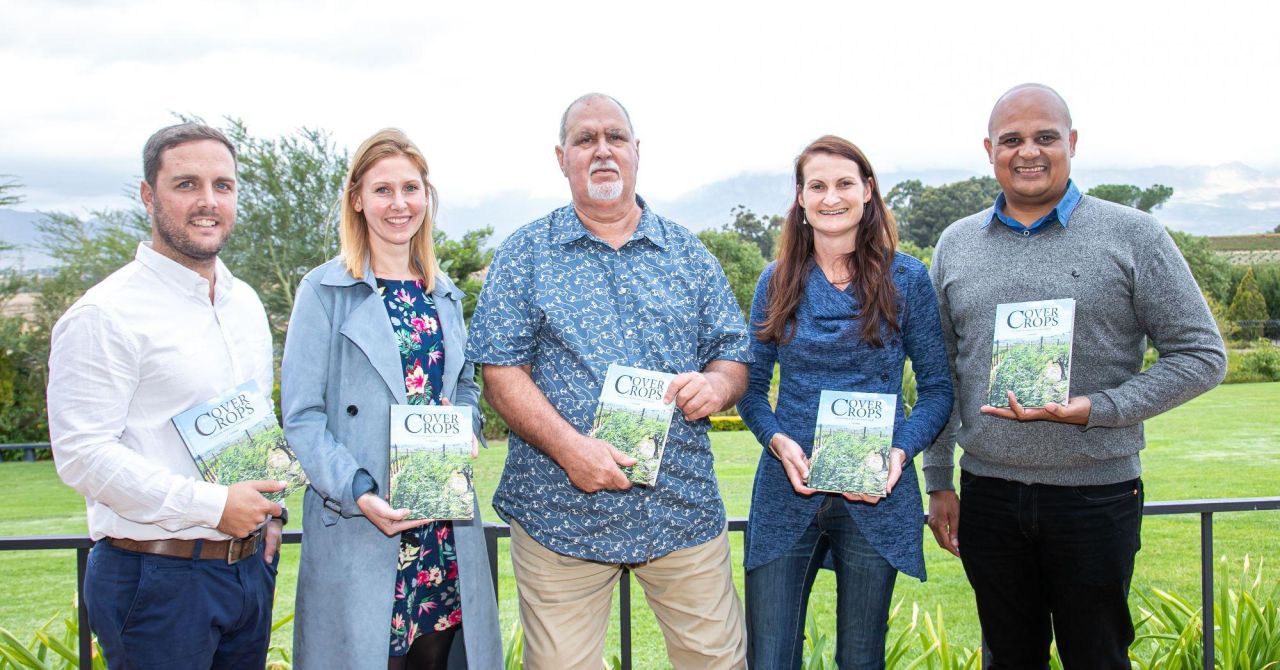
“We are also excited about introducing a brand new book by renowned researcher Dr Johan Fourie, Cover crops in South African Vineyards, during the regional information days,” says Lucinda.
Each attendee will receive a free copy of the book, which was a joint partnership between the SA Table Grape Industry (SATI), Winetech and Villa.
Registrations are now open. The dates of the regional information days are as follows:
- 10 May: Worcester/Breedekloof
- 11 May: Robertson/Klein Karoo
- 12 May: Olifants River
- 17 May: Paarl/Swartland
- 18 May: Stellenbosch/Cape South Coast
The registration costs for the respective regional days vary between R150 and R250 per person. Register at https://sales.vinpro.co.za/ or contact Lesley Paulse at 021 276 0432, [email protected].
Regional info days | Watch 2021 info days
ALSO READ: New Cover Crops in South African Vineyards book launched
Cover Crops in South African Vineyards by Dr Johan Fourie was launched in April at Kronenburg in Paarl. The publication is a joint partnership between SATI, Winetech and Villa.
Benefits of Cover Crops
Cover crops offer many benefits to grape producers, having been shown to suppress weeds; reduce soil compaction and erosion; improve water infiltration and retention; and boost soil fertility. Fourie assessed many different cover crops to identify the best candidates for different regions and soil types.
He conducted long-term trials in vineyards to determine cover-crop effects on weeds; water use; soil carbon, nitrogen, and other minerals; and grapevine nitrogen, vegetative growth, and yields. Different cover-crop management strategies were also evaluated.
This book, based on decades of research by respected scientist Dr Johan Fourie, formerly of the ARC Infruitec-Nietvoorbij, describes the interaction of cover crops with vineyards, and how grape producers can integrate cover crops into their own systems.
Most of the trials ran for 10–12 years in vineyards at ARC Infruitec-Nietvoorbij research farms in Lutzville, Robertson, and Stellenbosch, representing three of the major grape-growing regions of South Africa.
This book summarises the results, as well as results of trials in Keimoes and Oudtshoorn. It provides practical recommendations on establishing and managing cover crops in vineyards, and will be a valuable resource for grape producers throughout South Africa.
If you would like to get a free copy of this book, attend the Winetech/Vinpro Regional Information days during May. Click here for dates and more information.
Click here to get your copy of WineLand Magazine (or better yet, why not subscribe?)

More from
Innovation and insights
Hairy roots - a biotechnological tool for grapevine improvement
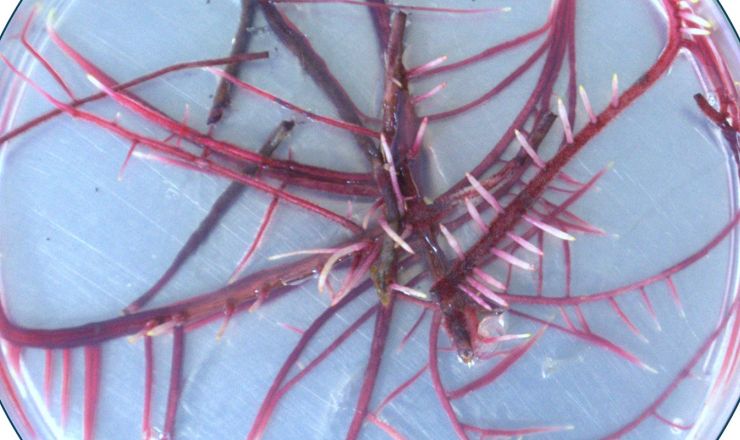
Hairy roots arise when the phytopathogenic bacterium, Rhizobium rhizogenes inserts DNA into a wounded plant’s genome, triggering the formation of rapidly growing root masses. The rapid growth and relatively fast establishment of hairy roots led to their use in laboratories, where they are used to…

To swirl or not to swirl? - that is the question... (Part 2)
This study investigated the sensory suppression effects of H2S on tropical fruit characters and evaluated whether the perceived improvement following swirling is a result of chemical oxidation or physical volatilisation.

Q&A with Jose Luis Aleixandre-Tudo
Jose Luis Aleixandre-Tudo is an Associate Professor in the Department of Food Technology at the Universitat Politècnica de València, Spain, and an Extraordinary Senior Lecturer in the Department of Viticulture and Oenology at Stellenbosch University, South Africa.