
50 years of wine grape cultivation (September 2020 issue)
South Africans have been growing wine grapes since the 1600s, but have drastically adjusted their approach in the vineyard, especially over the past 50 years. Viticulturists speak to us about this evolution and what the future of wine grape cultivation holds.
· 2 min read
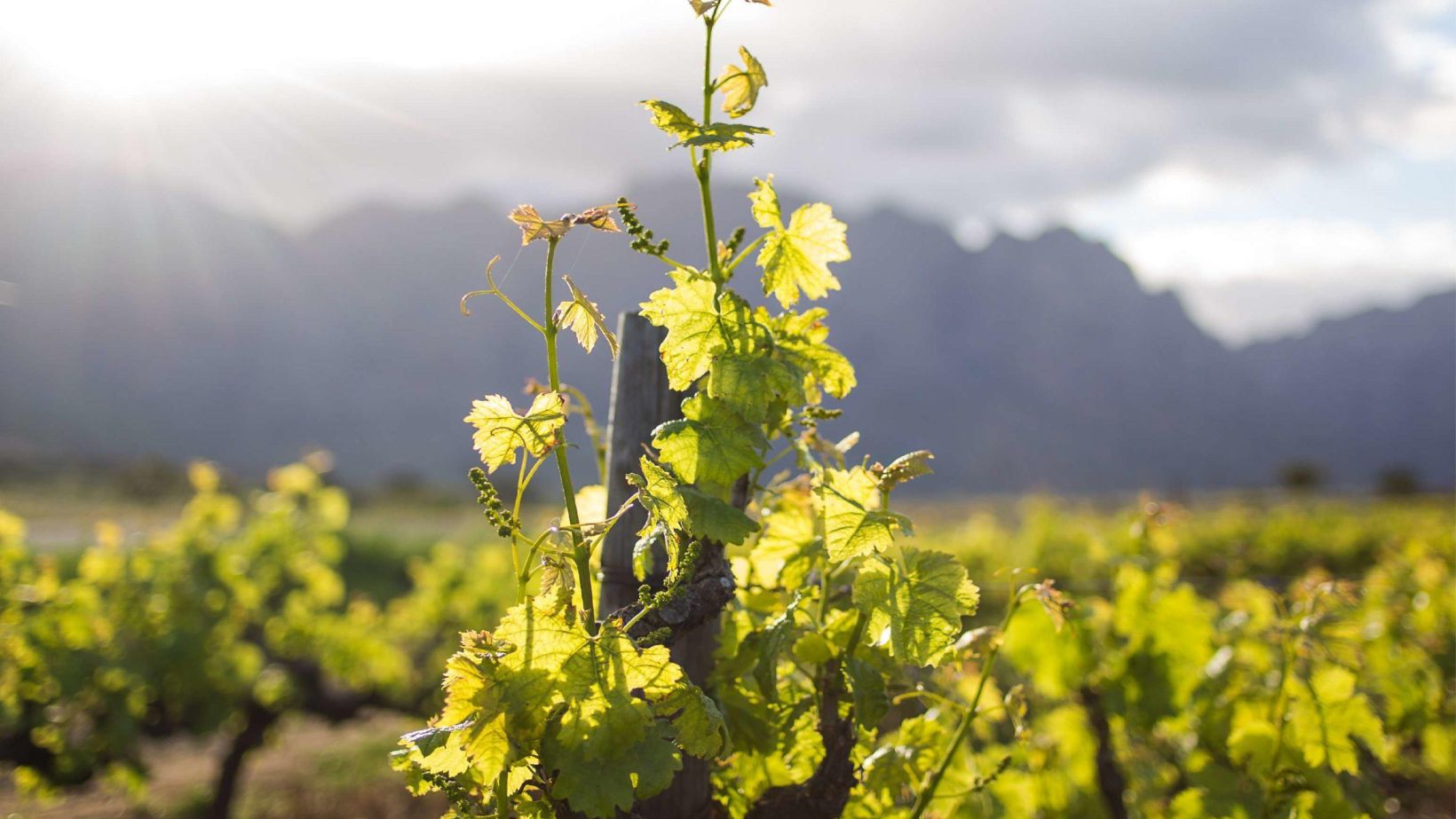
This is where the vine is carefully pruned, trained and nourished until wine grape producers at harvest time reap the fruits of their hard work and cellars can artificially prepare exceptional wines from it. But wine grape cultivation has changed markedly over the past five decades depending on market forces, changing industry structures, climate change and available technology.
Production-driven 1970s
In the seventies and eighties, wine grape producers generally pursued production. White grape varieties were the norm and were used for, among other things, dry white wine, discount for the distilling of brandy and to a lesser extent cultivar wines.
Before 1970, most vineyards were cultivated as forest vines. Vineyards were largely under sprinkler and flood irrigation and practices were labour intensive. “Fertilisers were in many cases organic in the form of hand-sprinkled manure and benches were shovelled by hand or worked clean with a horse plow,” says Jeff Joubert, an independent viticulturist. “Mechanisation was limited and in the irrigation areas relatively narrow row widths made mechanisation almost impossible.” Although there were regional differences and private producers planted according to their market, Chenin Blanc was the grape variety at that time, along with Colombar, Fransdruif, Clairette Blanche and Ugni Blanc. Cinsaut and Cabernet Sauvignon dominated the few red wine cultivars in the industry, and red and white muscadel, and Hanepoot were the main sweet cultivars. “Optimal ripeness was not a priority, but cellars did set minimum limits for sugar to qualify for sherry or rebate wine,” says Jeff.
A full version of this article appears in the September 2020 issue of WineLand Magazine. Buy your copy here

More from
Vineyard, cellar and production
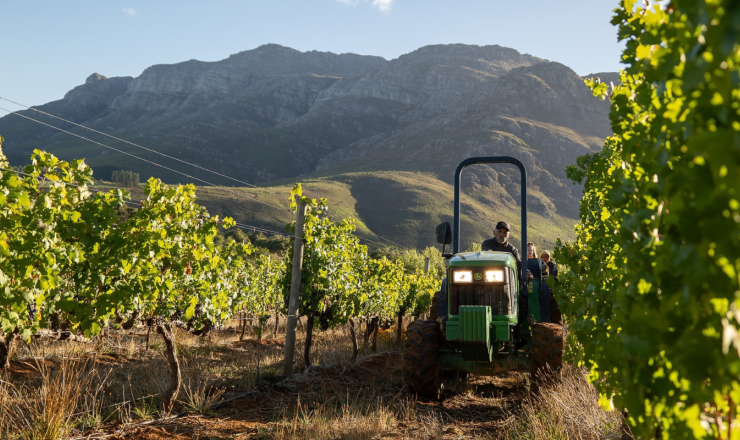
How to understand regenerative farming
Regenerative farming is becoming part of the language of modern viticulture, but what does it actually look like in a vineyard?
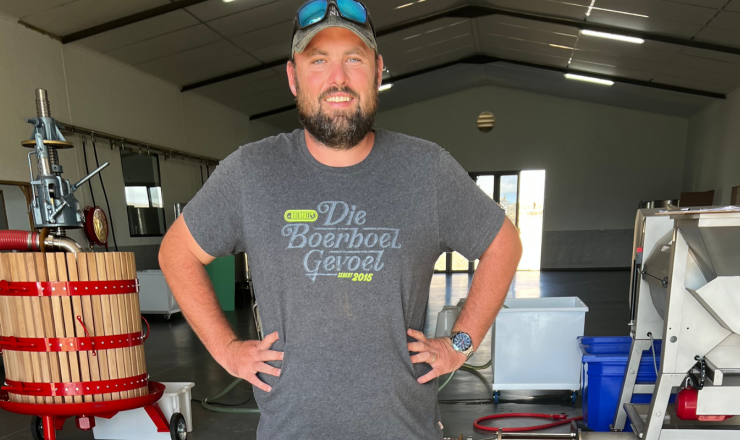
JC Smith praat oor wynmaak in die Oos-Vrystaat
JC Smith is ’n derdegeslag-wynmaker. Sy oupa Dassie en pa Flip was albei wynmakers, en hy het tussen wingerde en wynkelders grootgeword. Hy is tans die wynmaker by Blydschap in die Oos-Vrystaat.
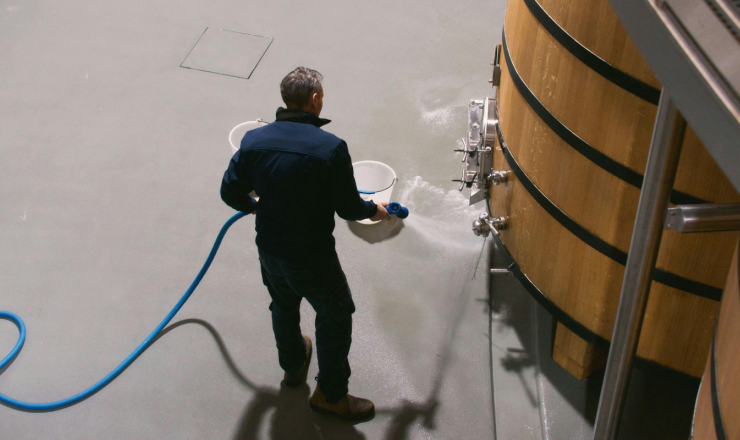
Cellar hygiene
Maintaining a spotless wine cellar requires a comprehensive management plan, which includes structural design, equipment sanitation, environmental controls and routine microbial monitoring.