
Confronting Climate Change: Haygrove case study
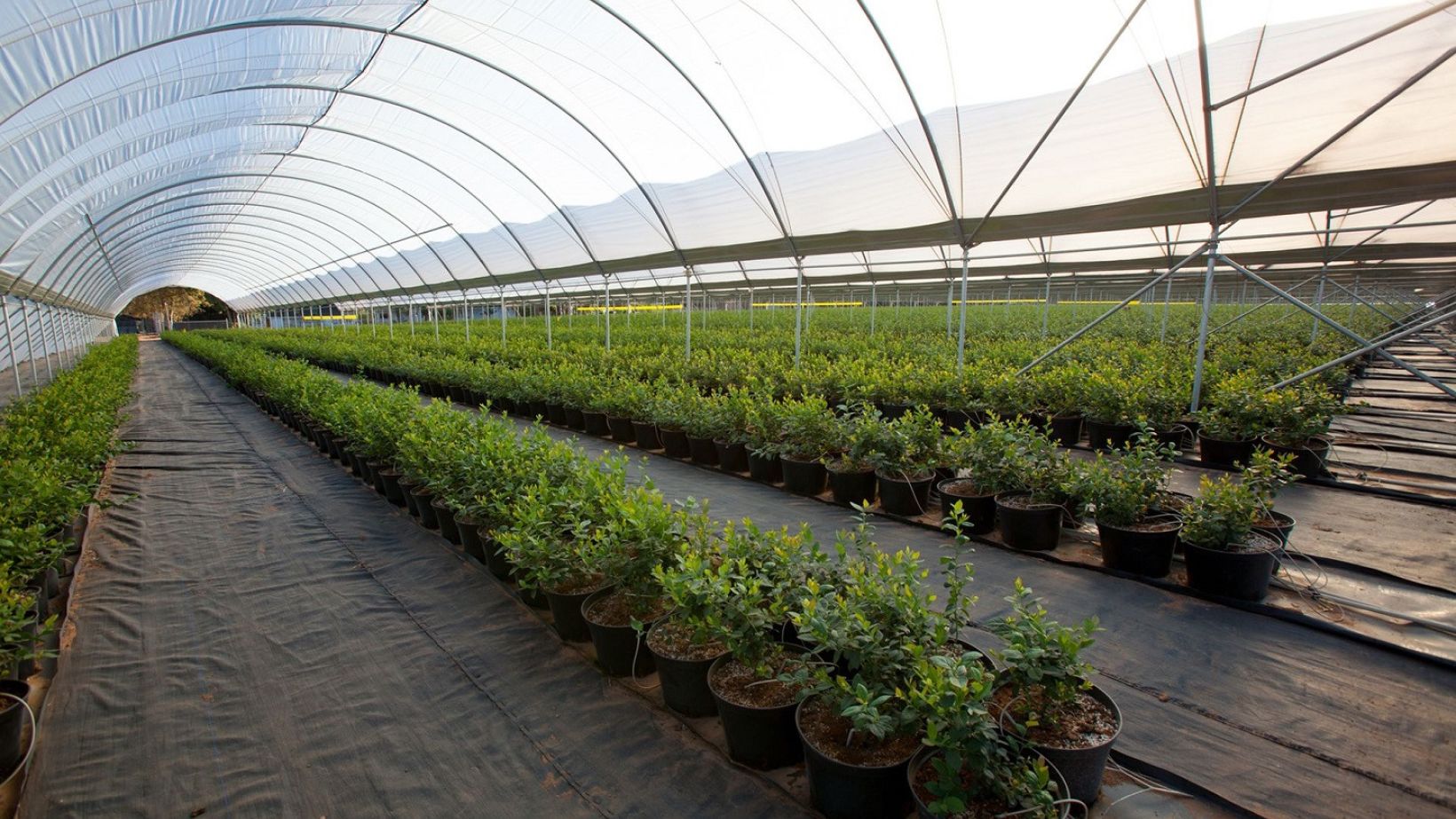
Haygrove, a leading horticultural company, has used both CCC and SHERPA for several years. This case study explores how these two tools complement each other and how they've helped agricultural leaders achieve measurable sustainability goals.
· 4 min read
Maximising sustainability: The synergy between SHERPA and CCC
Sustainability in agriculture has become more critical than ever, as farmers and supply chain partners face increasing pressures to address environmental impacts, meet stringent market standards, and adapt to the challenges of climate change. For many businesses, the journey begins with tools like Confronting Climate Change (CCC) and SHERPA – two powerful systems not only supporting the South African agricultural sector but also guiding international clients in their sustainability efforts.
Developed by the South African Fruit and Wine Industry bodies, CCC is a carbon footprinting initiative that enables businesses to measure emissions, identify hotspots, and take action to reduce their environmental impact. Blue North Sustainability manages it on behalf of the industry, ensuring alignment with sector needs and priorities. Meanwhile, SHERPA, developed by Blue North, provides a broader strategic management framework that empowers businesses to integrate sustainability holistically into their operations.
While CCC addresses the specific challenge of carbon footprinting, SHERPA goes further, supporting companies in creating and executing comprehensive sustainability strategies. Together, these tools tackle complementary aspects of sustainability, offering businesses the means to achieve both immediate compliance and long-term resilience.
A common question from farmers and processors is whether they can use only one tool. However, the experiences of companies like Haygrove demonstrate that using both tools in tandem delivers far greater value than relying on one alone. This case study explores how these two tools complement each other and how they’ve helped agricultural leaders achieve measurable sustainability goals. Haygrove, a leading horticultural company, has used both CCC and SHERPA for several years. Their experience highlights the practical benefits of integrating these tools into a sustainability strategy:
Synergy between SHERPA and CCC
While CCC offers detailed and in-depth carbon footprinting, this level of detail is exactly what is required for audits. SHERPA, in comparison, provides a strategic framework that gets Haygrove halfway there. Together, the tools complement each other, helping identify necessary changes across economic, social and environmental aspects.
Enhanced efficiency and time savings with SHERPA
SHERPA enables Haygrove to monitor key metrics on a monthly basis, supporting the annual CCC tool and improving overall productivity. By streamlining processes ahead of audits and reducing reliance on paper-based systems, SHERPA has significantly cut down the time spent compiling data for CCC reports – from a full week to a much more efficient process. This allows the team to focus on more impactful tasks, while maintaining accuracy and compliance.

In addition to these tools, Haygrove benefits from a Business Intelligence (BI) reporting option that automatically generates formatted reports, simplifying data analysis and decision-making.
Setting and achieving sustainability goals
The integration of CCC and SHERPA has helped Haygrove set clear sustainability goals and stay on track. By focusing on areas needing improvement, they have implemented strategies that contribute to more sustainable farming practices. These efforts have led to both immediate environmental benefits and long-term financial gains.
Focused improvements in Scope 1, 2 and 3 emissions
The tools have helped Haygrove identify key areas for improvement. For instance, after noticing an increase in fuel consumption, they implemented a software system to accurately track and allocate fuel use, leading to more efficient resource management.

Water conservation remains a priority for Haygrove. Installing a tray washer that recycles its water and uses environmentally friendly soap has reduced water consumption by 4 500 litres per day in peak season. Additionally, in a desire to reduce emissions from electricity (and costs), they have transitioned to solar energy in several areas. While relying on Eskom in certain sections of the farm, a reduction of 421 tCO2e in the past six months has been realised. Last season saw a 17% reduction in electricity costs.
Conclusion
Haygrove’s experience demonstrates the significant advantages of using CCC and SHERPA together. CCC provides the granular carbon footprinting data necessary for compliance and to inform emission reductions, while SHERPA supports strategic planning and ongoing sustainability efforts. The synergy between these tools has not only improved efficiency and resource management but also strengthened Haygrove’s ability to meet sustainability targets and drive long-term resilience. By leveraging both CCC and SHERPA, agricultural businesses can achieve a more comprehensive and effective approach to sustainability.
Blue North / Haygrove
Phone: +27 63 688 5593 / +27 21 859 1026
Website: www.bluenorth.co.za / www.haygrove.co.za
Email: [email protected] / [email protected]

© Copyright 2011 - 2025. Blue North Sustainability (Pty) Ltd. All rights reserved.
Click here to get your copy of WineLand Magazine.

More from
Vineyard, cellar and production

How to understand regenerative farming
Regenerative farming is becoming part of the language of modern viticulture, but what does it actually look like in a vineyard?
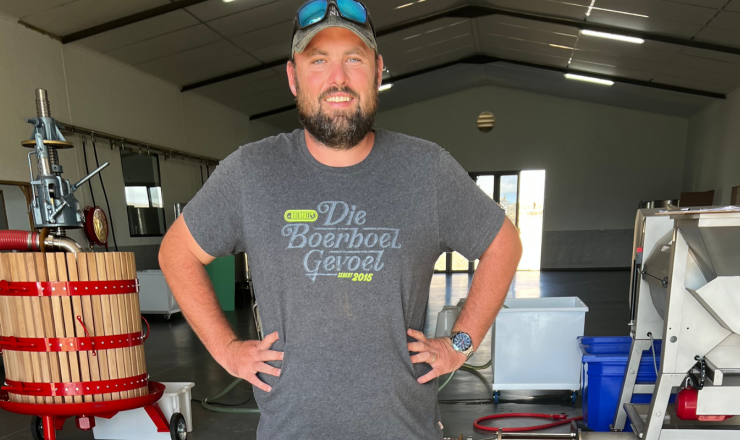
JC Smith praat oor wynmaak in die Oos-Vrystaat
JC Smith is ’n derdegeslag-wynmaker. Sy oupa Dassie en pa Flip was albei wynmakers, en hy het tussen wingerde en wynkelders grootgeword. Hy is tans die wynmaker by Blydschap in die Oos-Vrystaat.

Cellar hygiene
Maintaining a spotless wine cellar requires a comprehensive management plan, which includes structural design, equipment sanitation, environmental controls and routine microbial monitoring.