
Establishing the True Cost of the Roll
· 3 min read

LEAFROLL IS AN OLD FOE. ECONOMIST PIETER VAN NIEKERK LOOKS AT THE FINANCIAL IMPACT OF VINEYARDS INFECTED BY #LEAFROLL.
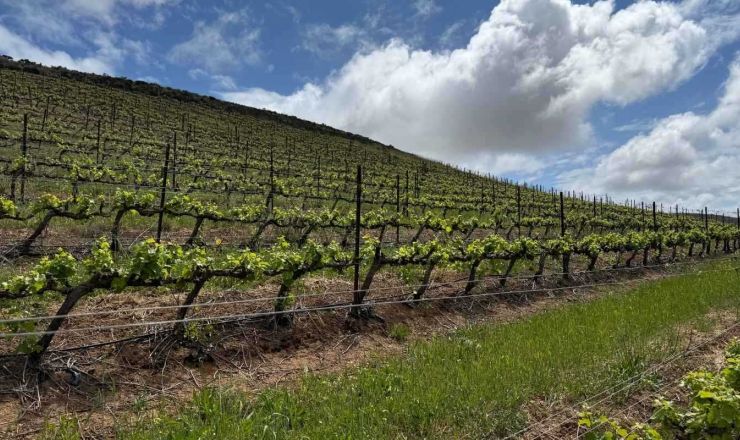
Many consumers unashamedly hashtagged our beautiful autumn vineyards, apparently unaware of the reality of virus infection. It’s like taking a selfie when you’re down with flu. Be this as it may, leafroll is a concern that affects the sustainability and quality of our industry. Perhaps the only benefit of the drought is the ease with which infected vines can be spotted, as the slightest stress our vines experience exposes the true viral status of our national heritage. So as humanity fights superbugs, why have we turned our backs on such a massive concern?
The big question on many grape buyers’ lips is: Are we going to source grapes or should we rather invest on ground level? Given the current industry average age per cultivar it’s a very relevant question. If we consider vineyards to have an economic lifespan of 20 years, it’s concerning to think the industry average age is 16 years. So like the average age of our producers, are we not close to becoming long in the tooth?
Yes, our old vines have stolen the limelight and I’m their biggest supporter, but as with planting trees, the best one was planted 40 years ago, but the second best is the one you plant today. Remember, not all old vines make exceptional wine and the same goes for many high-yielding newly planted vineyards. The wine market is complex and we possibly need both, but we’ll need to tackle this issue head-on so the next generation can build on our current momentum. What concerns me most is that many cult winemakers have never established their own vineyards. Why?
Leafroll is not just impacting the vineyard lifespan, but causes a multidimensional onslaught on among other things berry size, quality, colour and ripening, and wine balance. As an economist I would love to quantify this, but let’s for now agree the impact is significant. So why have we taken the ostrich approach, with our heads firmly buried in the sand? Many will reason it’s because of the profitability of the industry, but infections don’t discriminate by balance sheet. It’s possibly due to the old South African syndrome of if my neighbour is not doing anything, why should I?
It boils down to which came first: low profitability or leafroll? Well, one thing is certain, adopting the ostrich approach means we’ll most likely lose a big part of our supply base and remain barrel scrapers when price is on the table.

More from
Vineyard, cellar and production

Cellar hygiene
Maintaining a spotless wine cellar requires a comprehensive management plan, which includes structural design, equipment sanitation, environmental controls and routine microbial monitoring.
Making wine in Cape Town's Philadelphia ward
Havana Hills overlooks Table Mountain and the Atlantic Seaboard from its perch atop one of the region’s smallest wards, Philadelphia. Piet Kleinhans recently took over the reins as winemaker.
What's so special about wine globes?
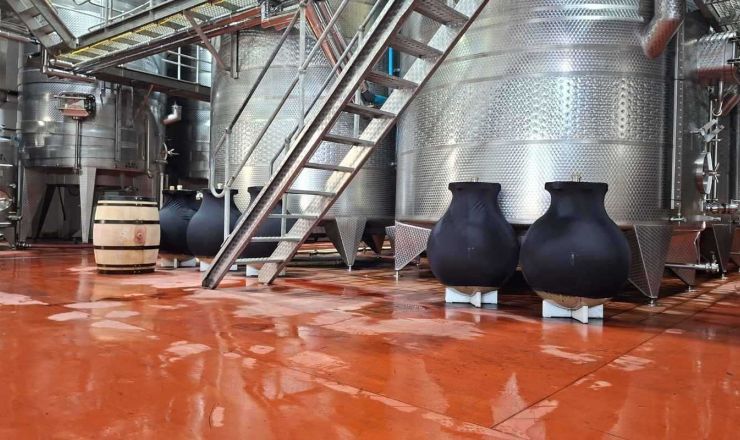
Diemersdal places a strong focus on innovation, and there’s always something new up their sleeve. Wineglobes represent a new way of telling a story that’s centuries old.