
Grapevine-associated Aspergilli
· 6 min read
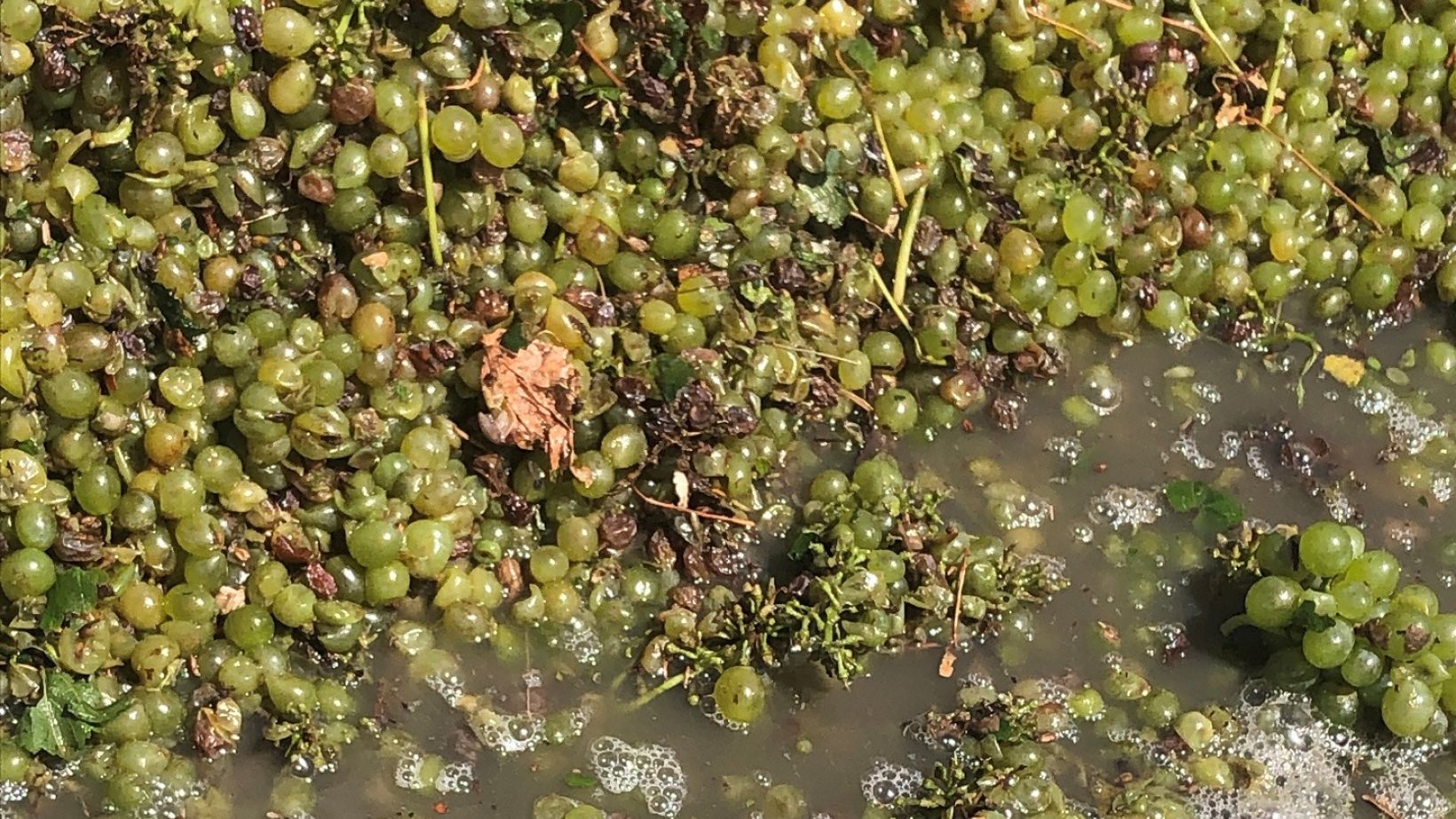
There is a wide range of fungi that can infect grape berries and cause a resultant reduction in wine quality. Botrytis cinerea, black Aspergilli, Penicillium spp., Colletotrichum spp., Greeneria uvicola and Phomopsis viticola are examples of such fungi.
Following the launch of the European Green Deal on 19 December 2019, a greater focus was placed on alternative crop protection to reduce the use of chemical agents. Aspergillus is considered one of the most significant diseases due to its substantial impact on weight loss for producers, as well as quality losses on wine cellar side. The loss in wine quality can be attributed to the black spores that remain suspended in settling tanks, resulting in lower recoveries. The production of ochratoxin A, and also Aspergillus’ association with Gluconobacter, which can convert glucose to acetic acid, is problematic due to the legal limits products like juice and wine must adhere to.
This article focuses on black Aspergilli. The species grouped under this genus due to their black appearance, which is also visible in vineyards, include Aspergillus niger, Aspergillus tubingensis, Aspergillus welwitschiae, Aspergillus uvarum, Aspergillus awamori, Aspergillus aculeatus and Aspergillus carbonarius. Although Alternaria spp. and Rhizopus do not form part of the Aspergillus genus, black spores are also characteristic of the presence of these fungi.
The Aspergillus genus occurs in various climatic regions worldwide. An Italian priest and biologist, Pier Antonio Micheli, recorded having observed the fungus under his microscope as early as 1729. The form of the fungus or mould reminded him of the aspergillum (holy water sprinkler) used in the Roman Catholic Church. Aspergillus is mainly asexual, with approximately one-third of the species that can reproduce sexually. Asexual reproduction in Aspergillus creates favourable conditions for rapid germination and distribution of spores.
Aspergillus species grow under conditions of high osmotic pressure, for example, where there is a high sugar concentration and sufficient oxygen. The fungi also have an affinity for starch and often cause contamination of bread and potatoes. Aspergillus oryzae is used to break down starch to sugar that is fermentable to alcohol, as in the case of Saki preparation. A further challenge of black Aspergilli for wine production is the ability of the fungi to produce ochratoxin A. Ochratoxin A is a possible carcinogen and is controlled under the European Commission Regulation 2023/915. This regulation sets a maximum permissible level of 2 μg/kg for grape juice and wine produced for human consumption.
The soil, shoots, leaves and stems are the main sources from which black Aspergilli can spread. The spores can overwinter in these sources and are normally distributed via wind. The optimal temperature for the development of black Aspergilli is 25 to 35ºC. Rain and overirrigation before harvest, coupled with the right temperature, can result in a large proliferation of the fungi. Any damage to the grape berries, for example, fruit fly damage, or berries swelling due to overirrigation, exacerbates the incidence of black Aspergilli.
Studies have shown that black Aspergillus species may also be associated with Aspergillus vine canker (AVC). Aspergillus vine canker is not the same as normal dieback (Eutypa spp.) or Esca. A variety of Aspergillus species can occur on different parts of the grapevine and cause subsequent wood rotting.
Aspergillus vine canker
The same black Aspergillus that causes rotting in grapes can attack the trunk of the vine. Vine canker Aspergillus infections originate in the phloem and cambium of the vine, and from there move to the trunk, cordon and spurs. The fungus can cause girdling, which in turn can restrict the movement of nutrients. The pathogen forms black spores under the bark of the vine, creating an identifiable difference between Aspergillus vine canker and other trunk pathogens. Some cultivars are more sensitive than others to this pathogen. It is generally accepted that Aspergillus species colonise where damage to the grape berries is present, and this is indeed also the case with trunk infections. The pathogen will infect the trunk where wounds occur, like pruning wounds or damage to the trunk caused by other implements.
The presence of Aspergillus vine canker has been found in countries like the USA, Mexico and Australia, indicating the wide reach of this problem.
Control of Aspergillus on grapes
The basic principles of any disease control strategy in the vineyard are good pruning practices and summer canopy control to ensure sufficient air flow through the canopy.
Chemical control
Currently, no agrichemical agents are registered for the specific control of Aspergillus. Based on experience, most of the agents used against Botrytis rot also offer good control against the Aspergillus fungus. It has been found that applying a combination of cyprodinil (37.5%) and fludioxonil (25%) at véraison, and then again 21 days before harvest, offers very effective control. Fluazinam, iprodione and mepanipyrim similarly offered consistent good control against the fungus. Take into consideration that fungal infections through Aspergillus occur after véraison. Withholding periods of certain agrochemicals, required to ensure compliance with maximum permissible residue levels, pose a difficulty for late-season control of vineyard diseases. Biological control offers a possible solution for withholding periods, and can therefore also form part of a chemical control strategy.
Biological control
Biological agents are often combined earlier in the season as a soil application and canopy spraying. Bacillus subtilis species work effectively as part of a producer’s control strategy and can also play an important role in late applications shortly before harvest. Biological agents can simultaneously offer control against other fungi, like powdery and downy mildew.
Trichoderma asperellum and Trichoderma gamsii were used in combination in a trial that stretched over three seasons. A 53%, 42% and 47% reduction in the incidence of Aspergillus was observed in the three consecutive seasons. In the same trial, Trichoderma harzianum, as well as Bacillus subtilis and Bacillus pumilus, also delivered good results. The most pleasing finding is that the aforementioned agents reduced the incidence of ochratoxin A by more than 80%.
Conclusion
Aspergillus is a fungus that has been observed in the wine industry for many years, yet very little has been done in terms of research and registration of agents to control this fungus in the vineyard. Aspergillus can cause substantial economic damage for producers if grapes are infected with the fungus and have to be allocated to a lower wine quality goal. Moreover, if vineyards become infected with Aspergillus vine canker, there is also a risk of long-term consequences if such vineyards have to be replaced earlier.
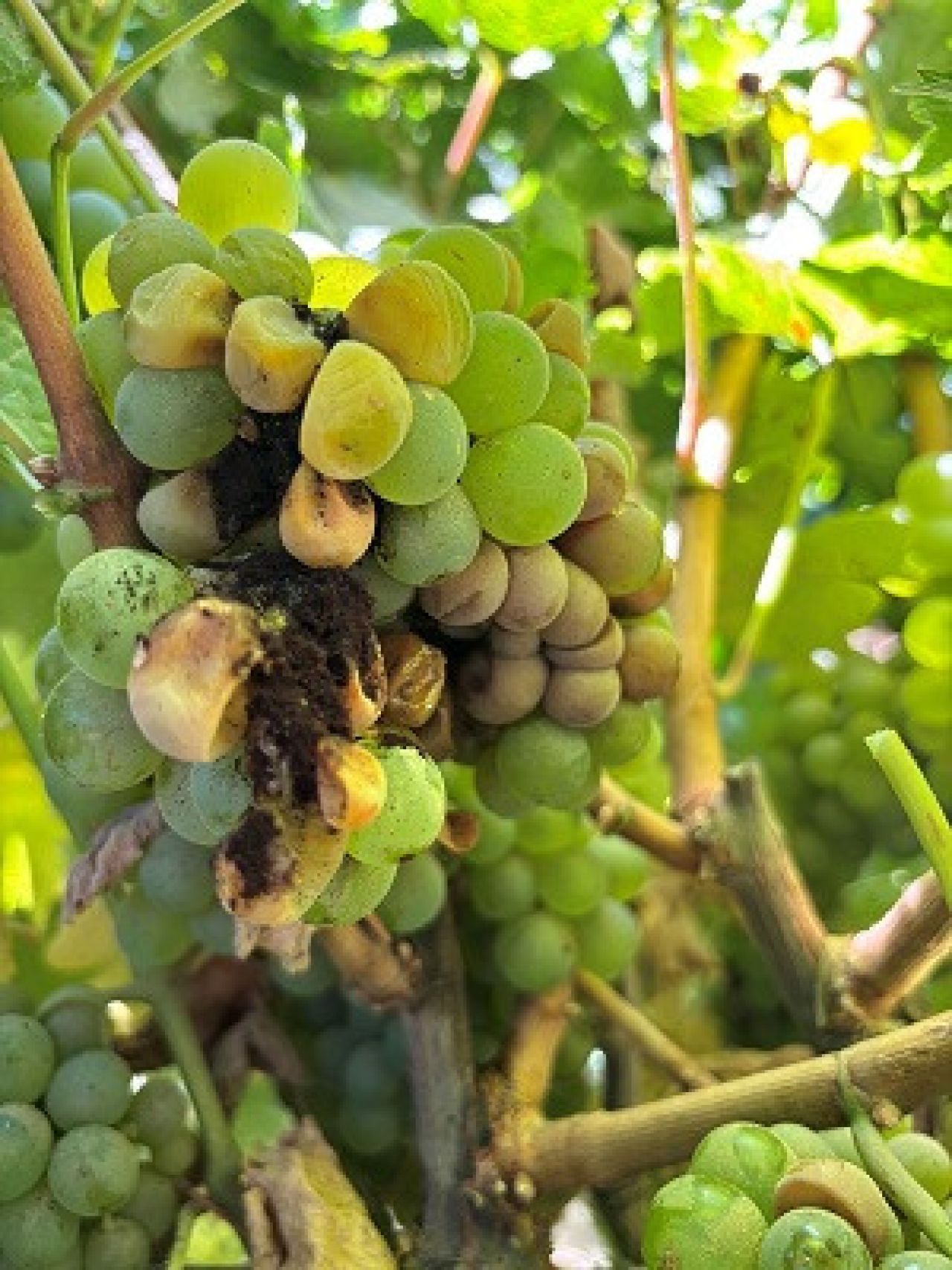
Aspergillus on Sauvignon blanc.
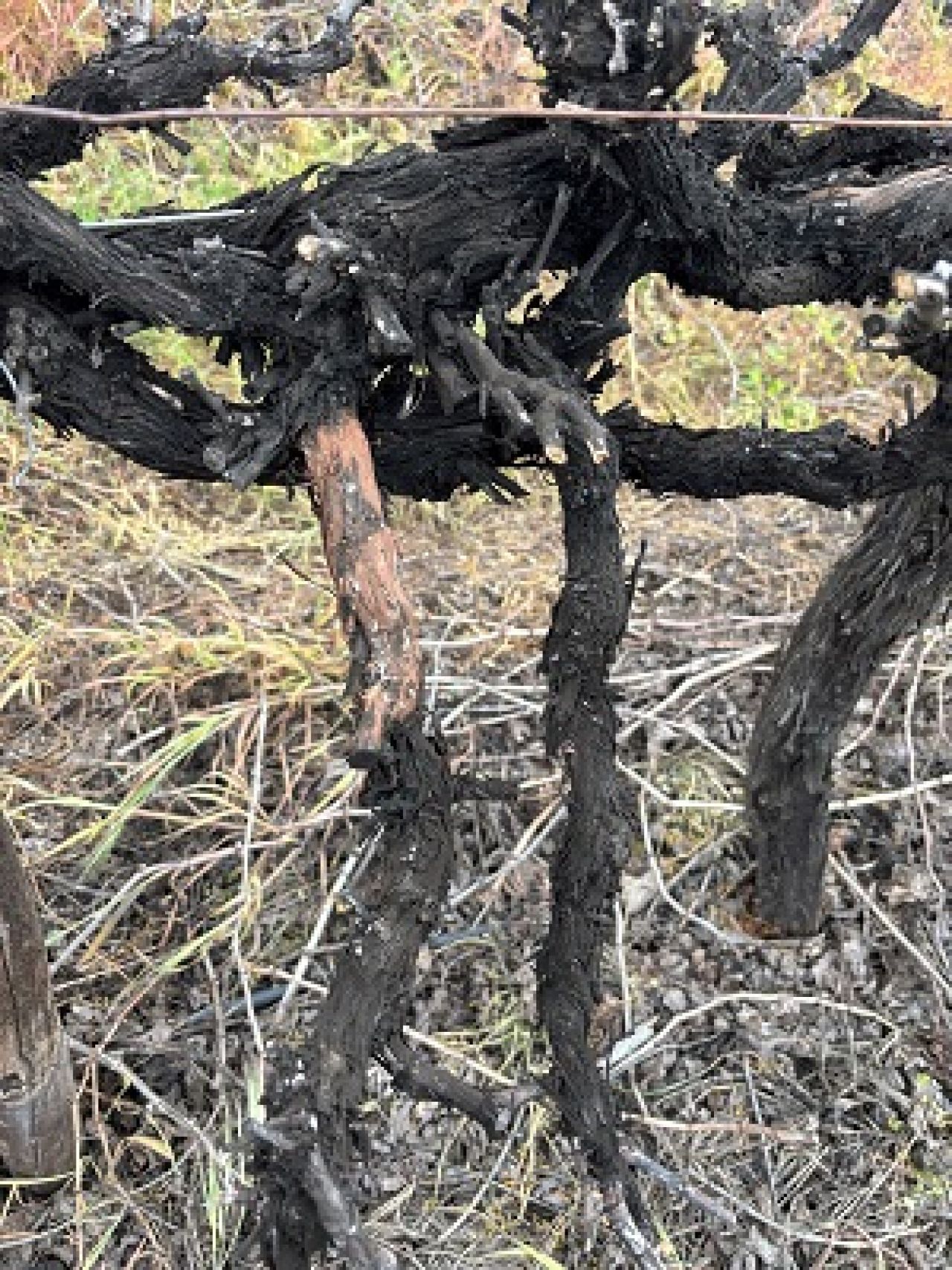
Black Aspergilli on the vine and bark.
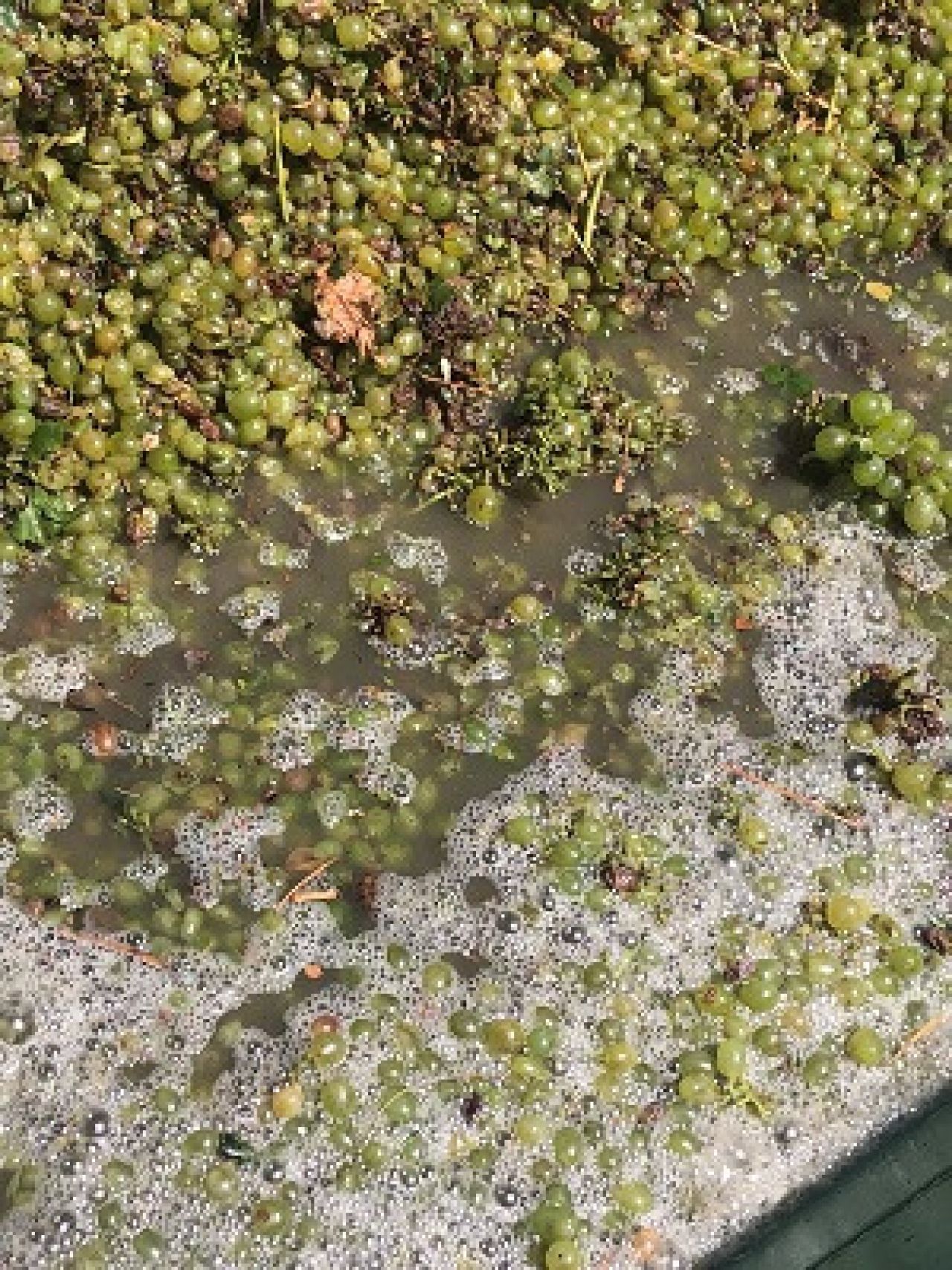
Dull grey juice as a result of Aspergillus.
For more information, contact Klaas Coetzee at [email protected].
Click here to get your copy of WineLand Magazine.

More from
Vineyard, cellar and production

How to understand regenerative farming
Regenerative farming is becoming part of the language of modern viticulture, but what does it actually look like in a vineyard?
JC Smith praat oor wynmaak in die Oos-Vrystaat
JC Smith is ’n derdegeslag-wynmaker. Sy oupa Dassie en pa Flip was albei wynmakers, en hy het tussen wingerde en wynkelders grootgeword. Hy is tans die wynmaker by Blydschap in die Oos-Vrystaat.
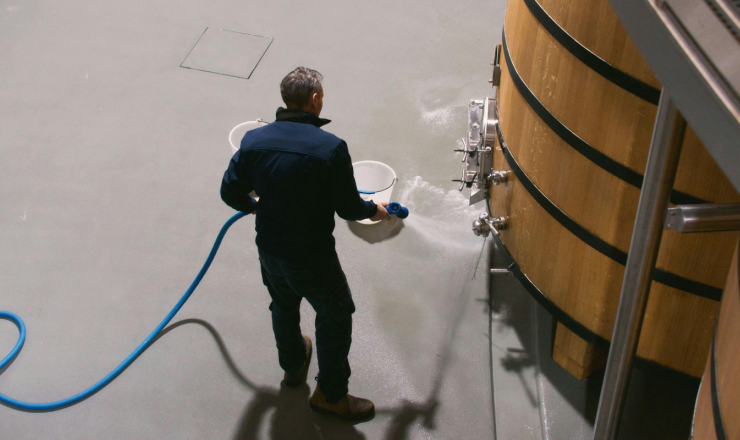
Cellar hygiene
Maintaining a spotless wine cellar requires a comprehensive management plan, which includes structural design, equipment sanitation, environmental controls and routine microbial monitoring.