
Improving efficiency in vineyard management
Precision spraying has become a critical component of successful vineyard management. In modern wine grape production, spraying is no longer simply about applying chemicals, but about ensuring that the active ingredient reaches the correct target within the canopy in the most efficient and…
· 2 min read
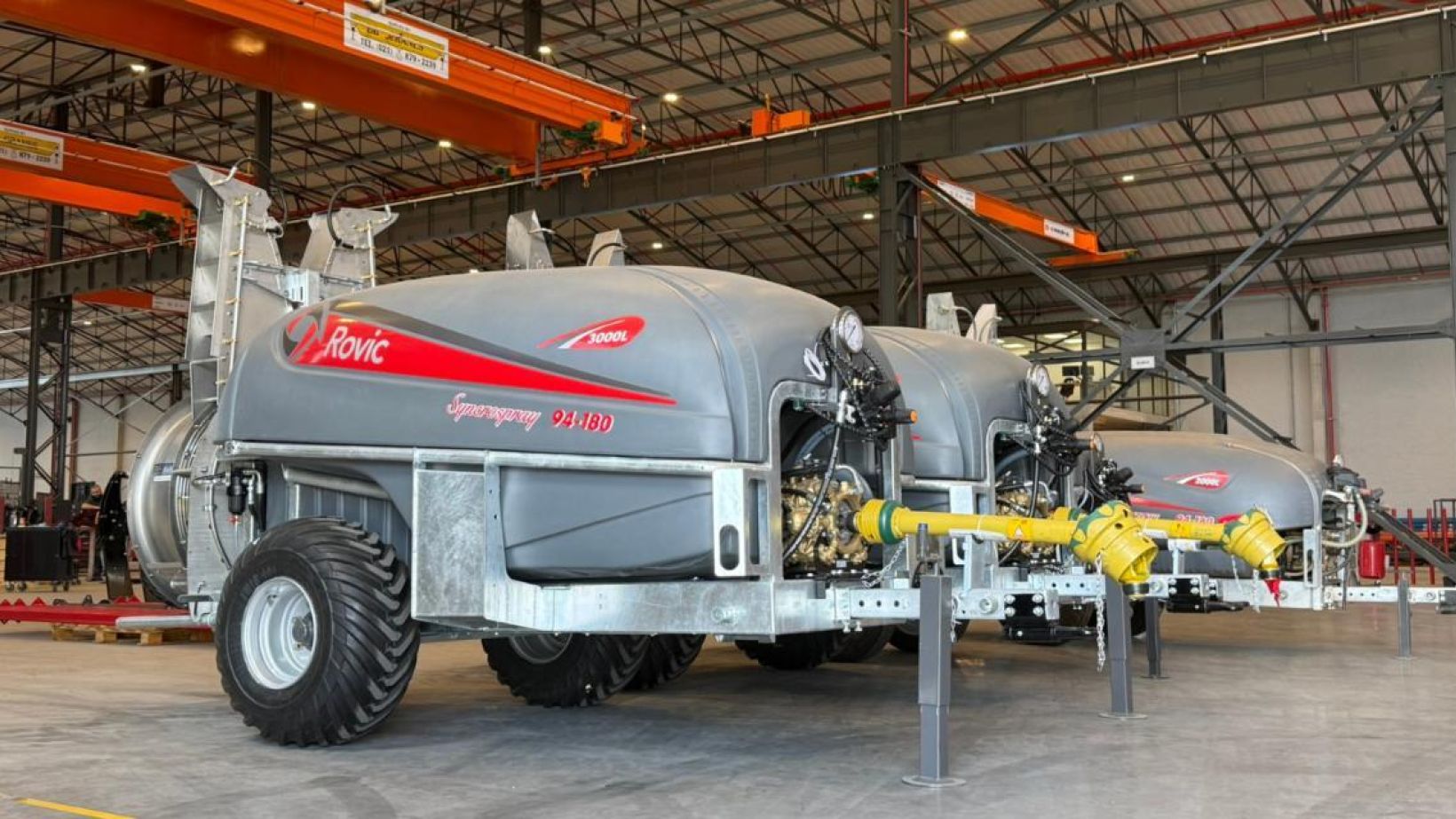
Vineyards present unique spraying challenges due to varying canopy densities, trellis systems and row widths. Poor deposition can result in uneven coverage, increased chemical use and unnecessary losses through drift and run-off. Improving deposition efficiency — the percentage of spray that actually reaches and remains on the vine canopy — is therefore essential for effective control and sustainable production.
Droplet size selection plays a key role in vineyard spraying. Finer droplets are better suited to penetrating dense canopies and covering shaded leaf surfaces, while larger droplets tend to deposit more readily on exposed areas. However, droplets that are too small increase the risk of drift, particularly under windy conditions common in vineyard regions. Precision lies in selecting a droplet spectrum that balances penetration, coverage and drift control according to canopy size, growth stage and application volume.
Air movement within the vine canopy is equally important. The aim is to move spray-laden air through the canopy with enough momentum to separate leaves and allow penetration, while ensuring that the air velocity dissipates within the canopy and does not carry valuable spray beyond the target. Excessive air speed or increased tractor speed can significantly reduce spray recovery, especially in vertically trained or dense vineyards.
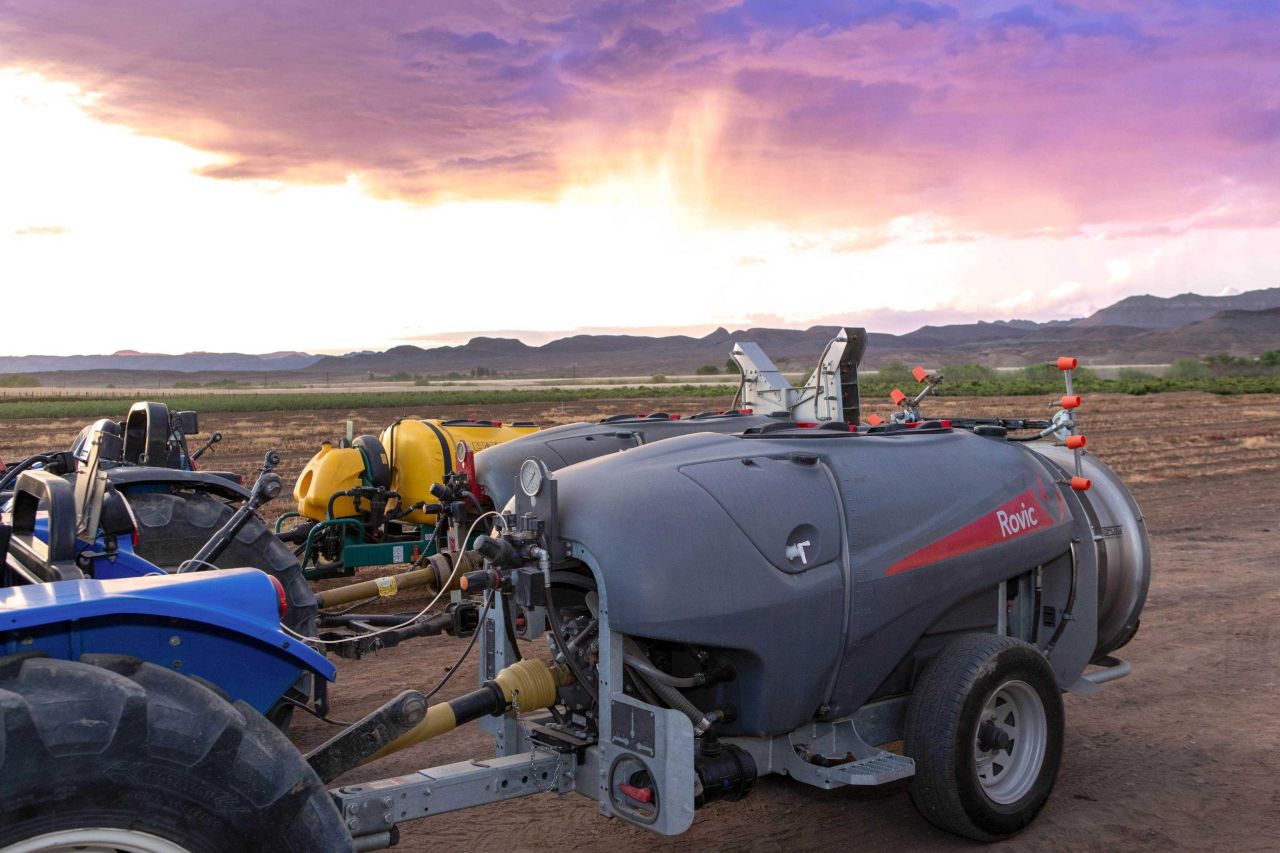
Equipment setup and maintenance are therefore just as important as chemical selection. Rovic have a range of replacement and maintenance components to ensure your sprayer remains in top condition. Both conventional and pneumatic sprayers have their place in vineyards, depending on canopy structure and spraying objectives. Regular calibration and timely nozzle replacement are critical, as worn nozzles can result in substantial chemical losses over a season — losses that far outweigh the cost of maintenance.
With chemical inputs forming a major part of vineyard production costs, precision spraying is not optional. By focusing on accurate delivery, correct droplet size, effective air management and well-maintained equipment, producers can improve spray efficiency, protect vine health and safeguard long-term profitability.
For more information on precision spraying solutions for vineyards, contact Rovic.
Rovic Tel.: +27 (0) 21 907 1700 www.rovic.com

More from
Vineyard, cellar and production

One vineyard. Eight components. Five years of patience.
When KWV’s Laborie Blanc de Blancs 2020 claimed the Duimpie Bayly Vertex Trophy at the 2026 Veritas Awards, it was more than another win for the Paarl-based producer. It was only the third time a Cap Classique had taken the competition’s highest honour, selected from 1 293 entries.
How to understand regenerative farming
Regenerative farming is becoming part of the language of modern viticulture, but what does it actually look like in a vineyard?
JC Smith praat oor wynmaak in die Oos-Vrystaat
JC Smith is ’n derdegeslag-wynmaker. Sy oupa Dassie en pa Flip was albei wynmakers, en hy het tussen wingerde en wynkelders grootgeword. Hy is tans die wynmaker by Blydschap in die Oos-Vrystaat.