
Leafroll disease or deficiency symptom?
· 8 min read
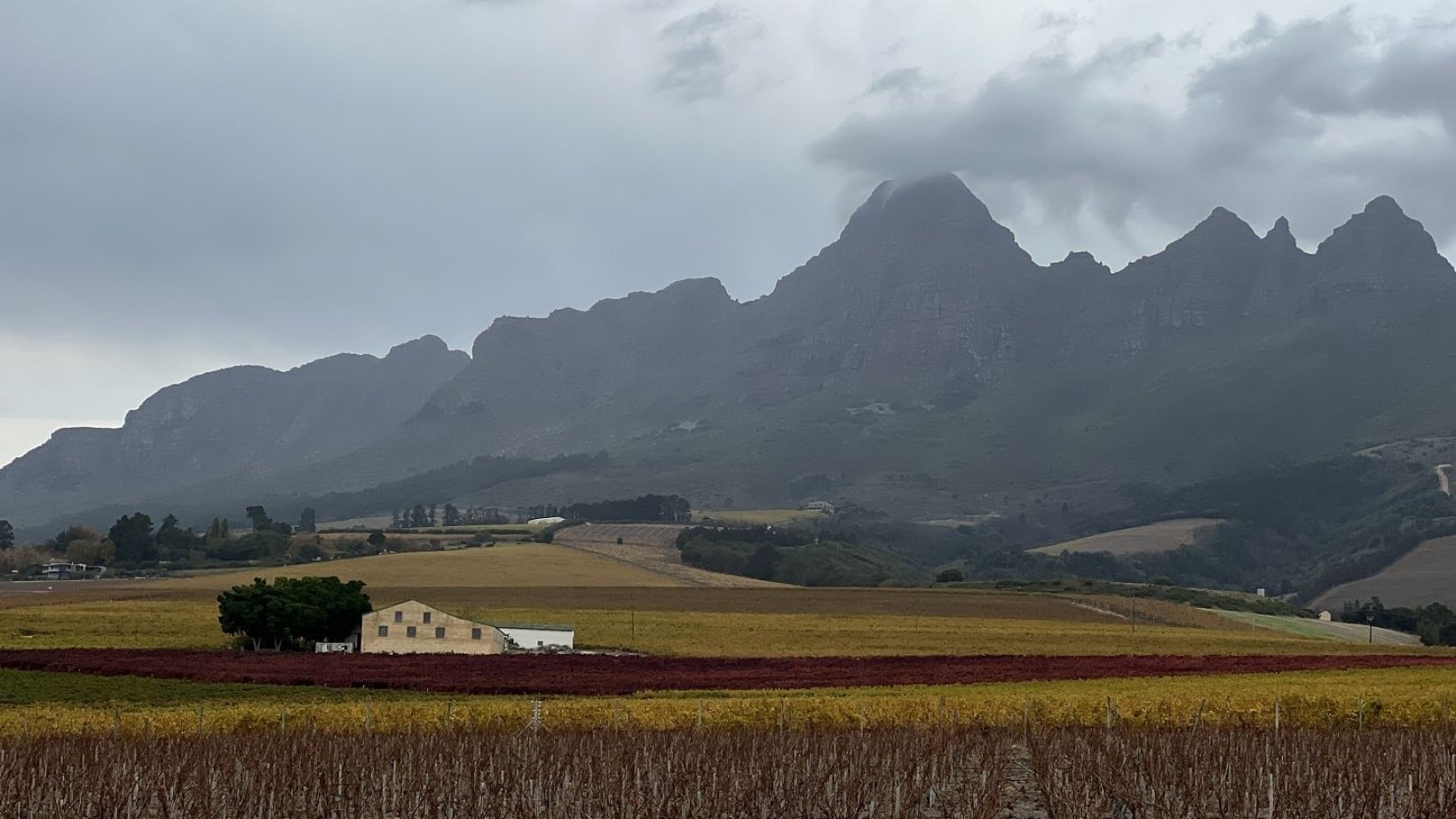
Grapevine leafroll disease is the most important viral disease of grapevines in South Africa. It is thought to have a significant impact on the sustainability of the wine industry, impacting both the qualitative and productive lifespan of our vineyards.
Introduction
Leafroll disease in South Africa is predominantly caused by the virus called grapevine leafroll-associated virus 3 (GLRaV-3) and several of its variants. To date, no curative measures are available and the leafroll disease control strategy relies on establishing vineyards with virus-free plant material, controlling the GLRaV-3 vector (vine mealybug) and removing inoculum through roguing (removal) of infected vines. The official wine industry leafroll control strategy, excellently compiled by Prof Gerhard Pietersen is available from Winetech and highly recommended for further study.
The goal of the following text is to support the existing work with additional examples from the field. Roguing of infected vines relies heavily on the accurate identification of GLRaV-3-infected vines. While laboratory analysis through ELISA or PCR techniques provides accurate results, testing individual vines can become expensive and time-consuming.
Luckily visual identification of GLRaV-3 in red grape varieties is possible and effective with reasonable accuracy. Conversely, white grape varieties are often asymptomatic or may display long latent periods before expressing symptoms and therefore require monitoring through laboratory analysis. Despite the ease of GLRaV-3 identification in red grape varieties, there are some grapevine disorders that can be confused with GLRaV-3, the following text aims to highlight a few relevant examples from the field.
Identification
In red grape varieties grapevine leafroll disease-infected plants are quite easily identified by characteristic symptoms predominantly displayed on mature leaves (Photo 1). Symptoms are first expressed on the basal (oldest) leaves and progressively move upwards in the canopy as the season advances. The symptoms are most pronounced at the end of the growing season.
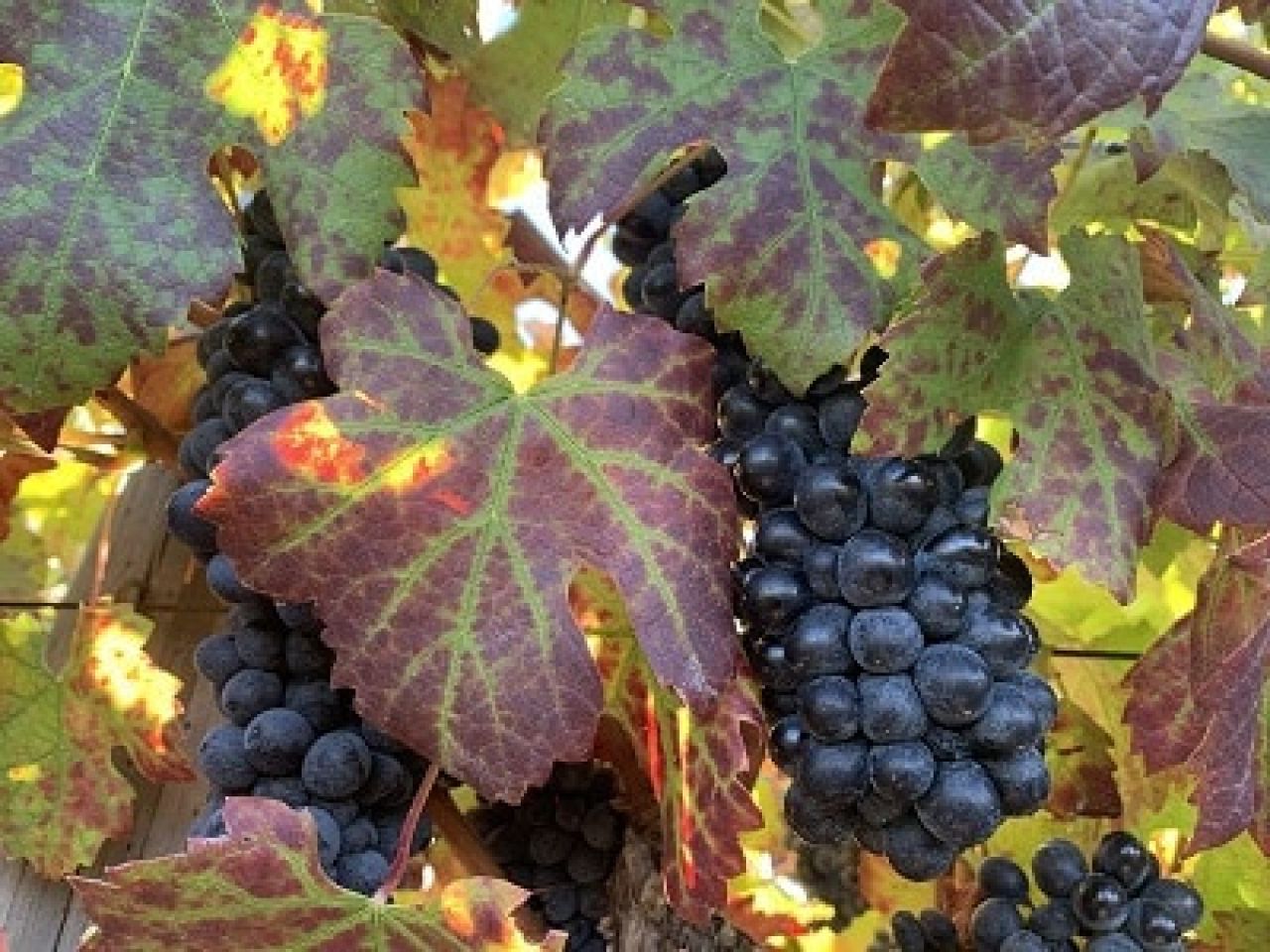
PHOTO 1. Typical GLRaV-3 symptoms including interveinal discolouration, green main veins and rolling of leaf edges in cv. Pinotage.
Visual cues aligned with leafroll disease infection include:
- Red interveinal discolouration.
- Veins remain green until late in the season.
- Downward curling of leaf edges in some varieties e.g., Pinot noir & Cabernet franc.
- Delayed leaf fall in autumn.
The most common misinterpretation is mistaking the onset of GLRaV-3 for the development of natural autumn colours. Autumn colours are related to the natural degrading of green chlorophyll pigmentation exposing the anthocyanin pigments once the grapevine growth cycle is completed (Photo 2).
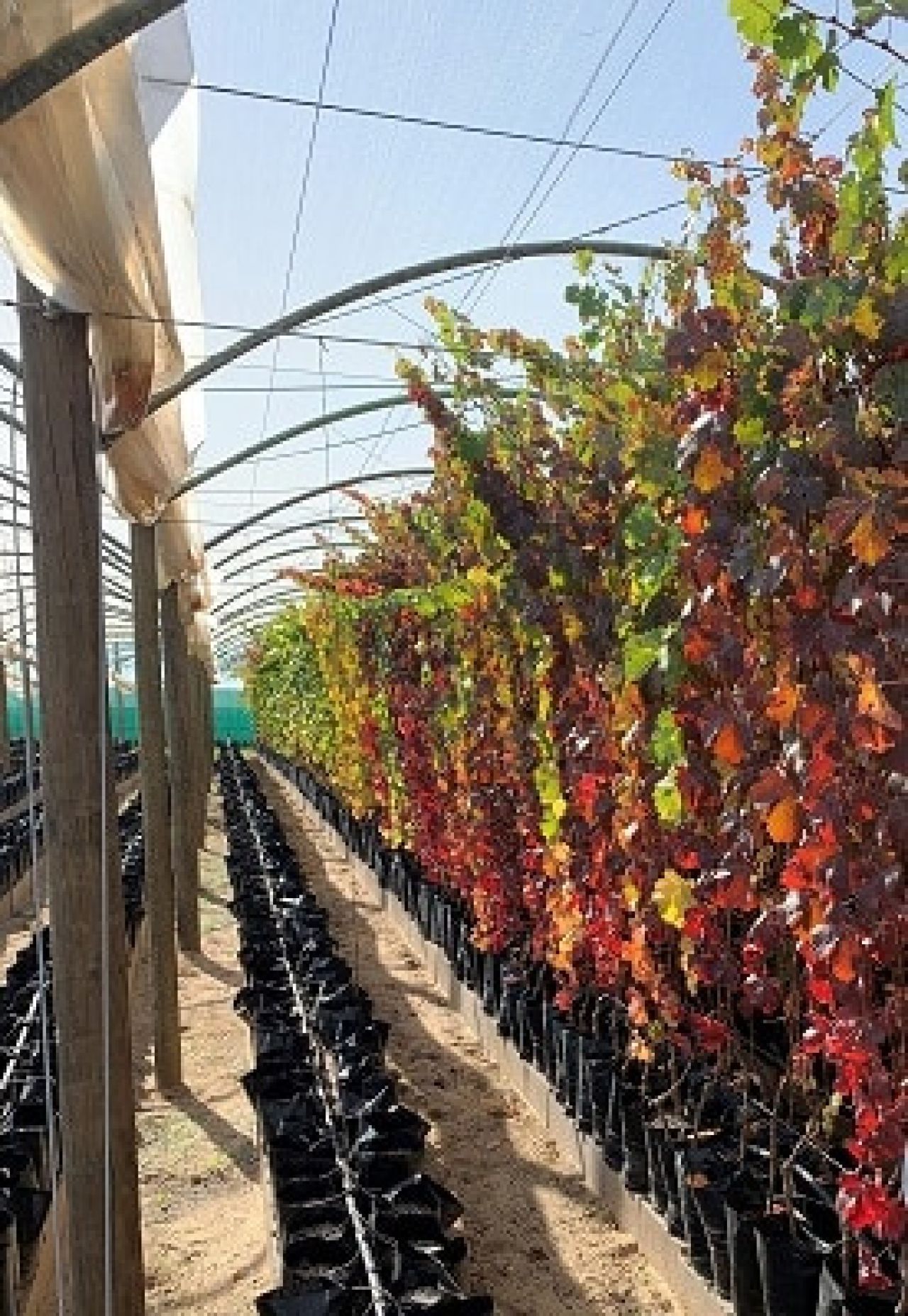
PHOTO 2. Young virus-free Cabernet Sauvignon vines displaying autumn colours in grapevine nursery.
Disorders that can be confused with leafroll
Mechanical damage
Mechanical damage can easily be confused with leafroll disease infection. The interruption of sap flow through injury will decrease the photosynthetic capacity of the leaves and cause the underlying natural red colour to become visible. In Photo 3.1 the reddening of a section of the cordon is caused by the cut-off of the phloem of an entire section of the cordon. This is due to the cordon arms being tightly wound around the wire during development causing a ringbarking effect as the plant grows.
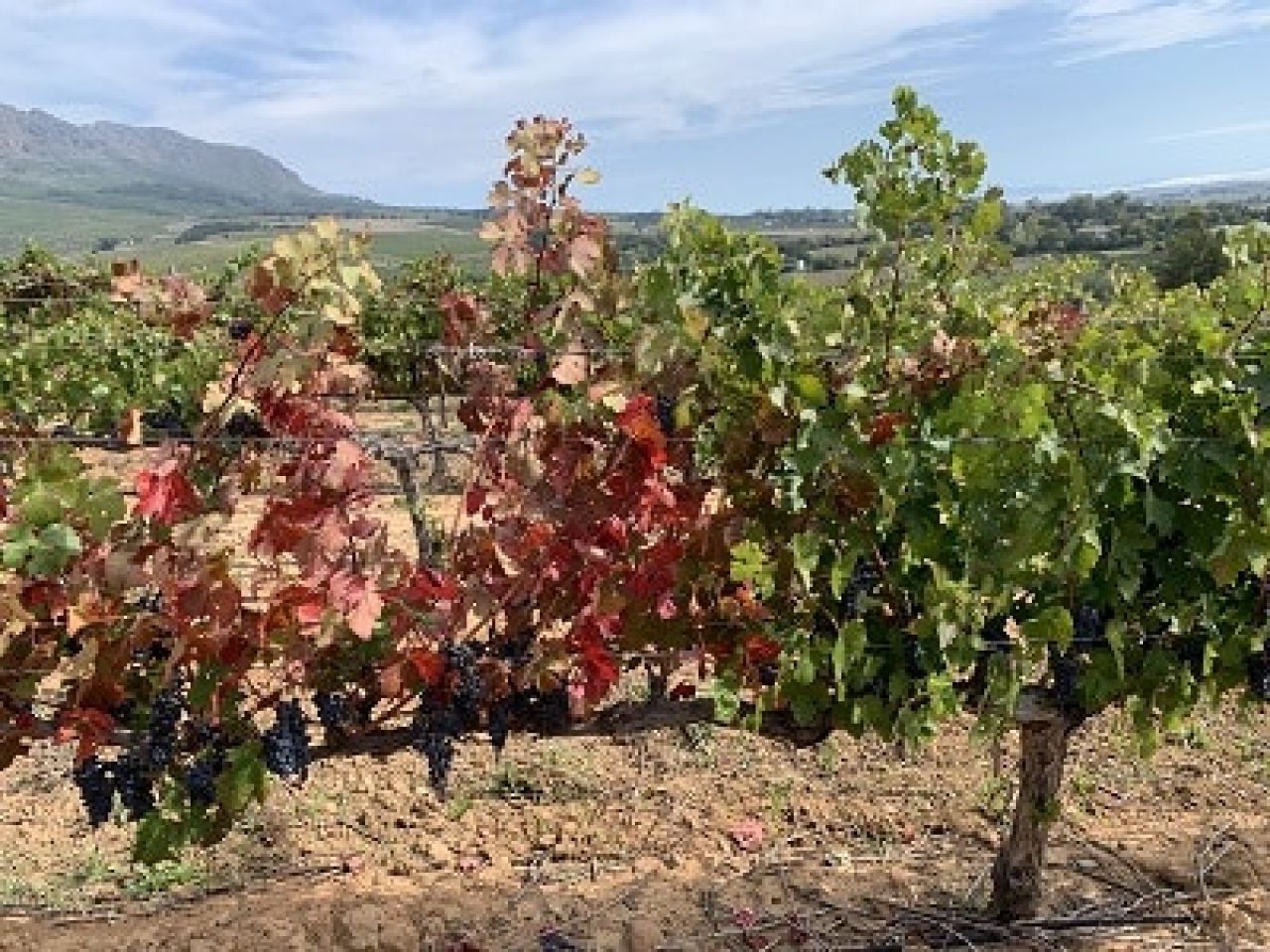
PHOTO 3.1. Mechanical damage of a section (left) of the cordon of a mature Cabernet Sauvignon vine due to the ringbarking effect of the cordon arm being tightly wound around the cordon wire.
Mechanical damage in young vines is also frequent. Due to the smaller circumference of the main stem of young vines, an injury here is also likely to have a detrimental effect on the entire vine. In this example (Photo 3.2) the swirling effect caused by the wind of this unsupported vine caused injury to the main stem and resulted in the reddening of the leaves. While wind is a regular culprit, others include remnant training string, insects, rodents and mechanical damage during manual weed control (“skoffel”).
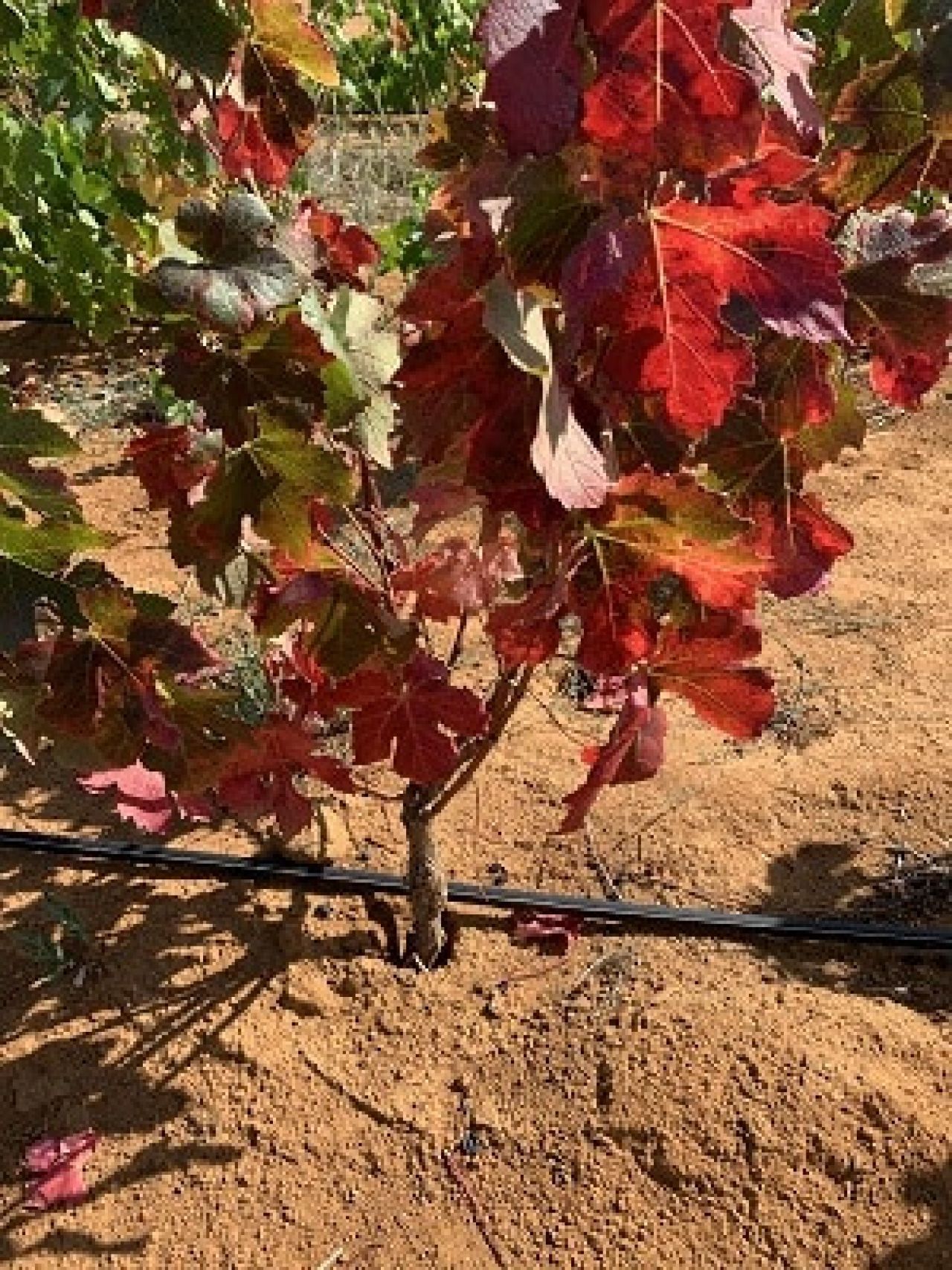
PHOTO 3.2. Mechanical damage on a two-year-old Pinotage vine due to the ringbarking effect at the base of the vine. Note the cavity created around the vine base as a result of the swirling effect of the wind.
Nutritional disorders
Temporary nutritional disorders are prevalent in many vineyards and can normally be corrected through targeted management practices. Even though the deficiency symptoms may be clear, the interventions should be guided by soil and leaf blade/petiole analysis to ensure corrective action. While deficiencies are well documented, toxicity and excess can also express symptoms that could be confused with GLRaV-3. Red discolouration of leaf edges can be caused by nitrogen toxicity (Photo 4.1), while guttation in luxuriously growing vines can also cause damage to leaf edges (Photo 4.2).
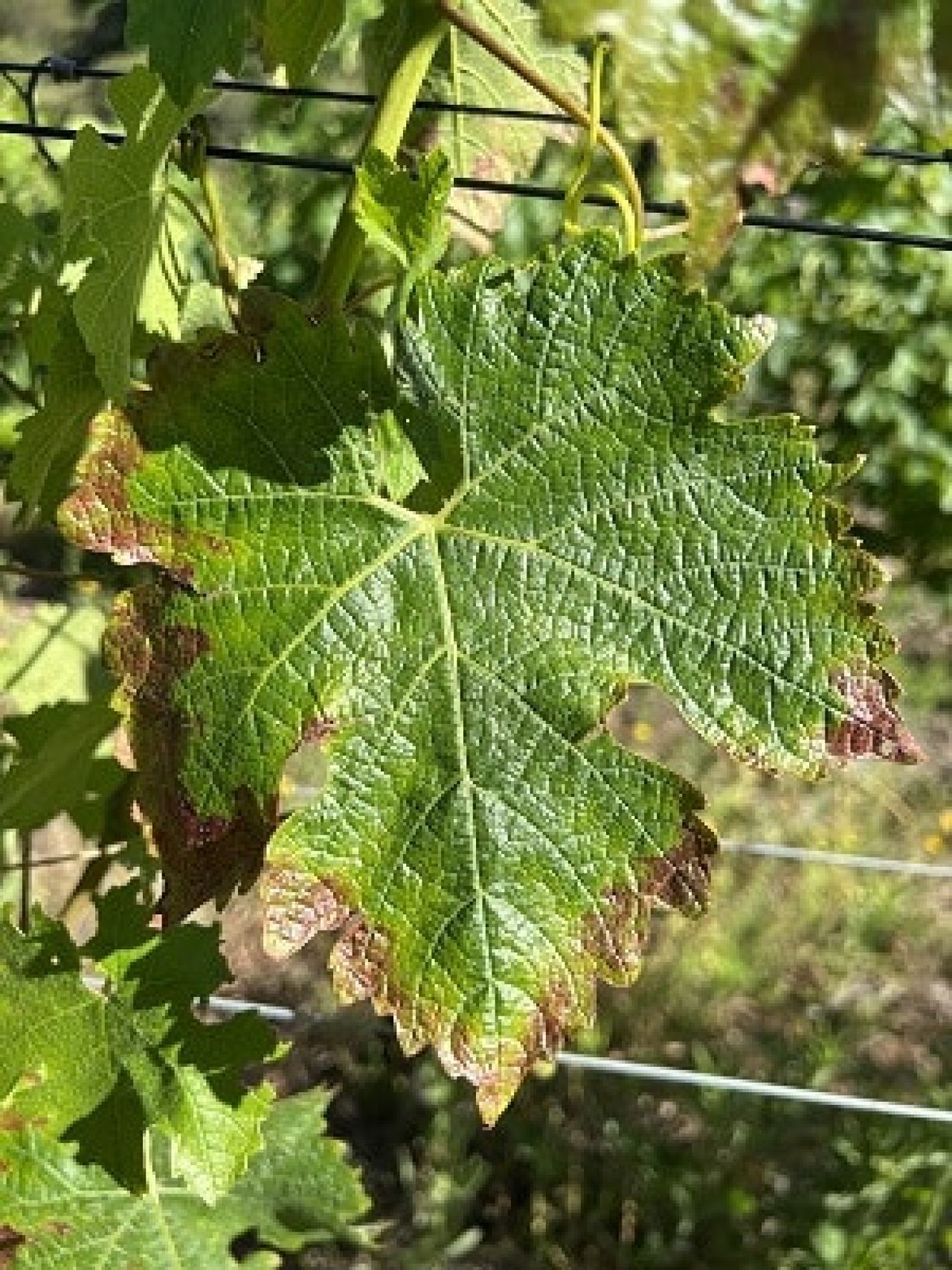
PHOTO 4.1. Nitrogen toxicity on Cabernet Sauvignon, note the shiny leaf blade and the outer edge of the leaf turning red. In severe cases, leaf edges dry out as the season progresses.
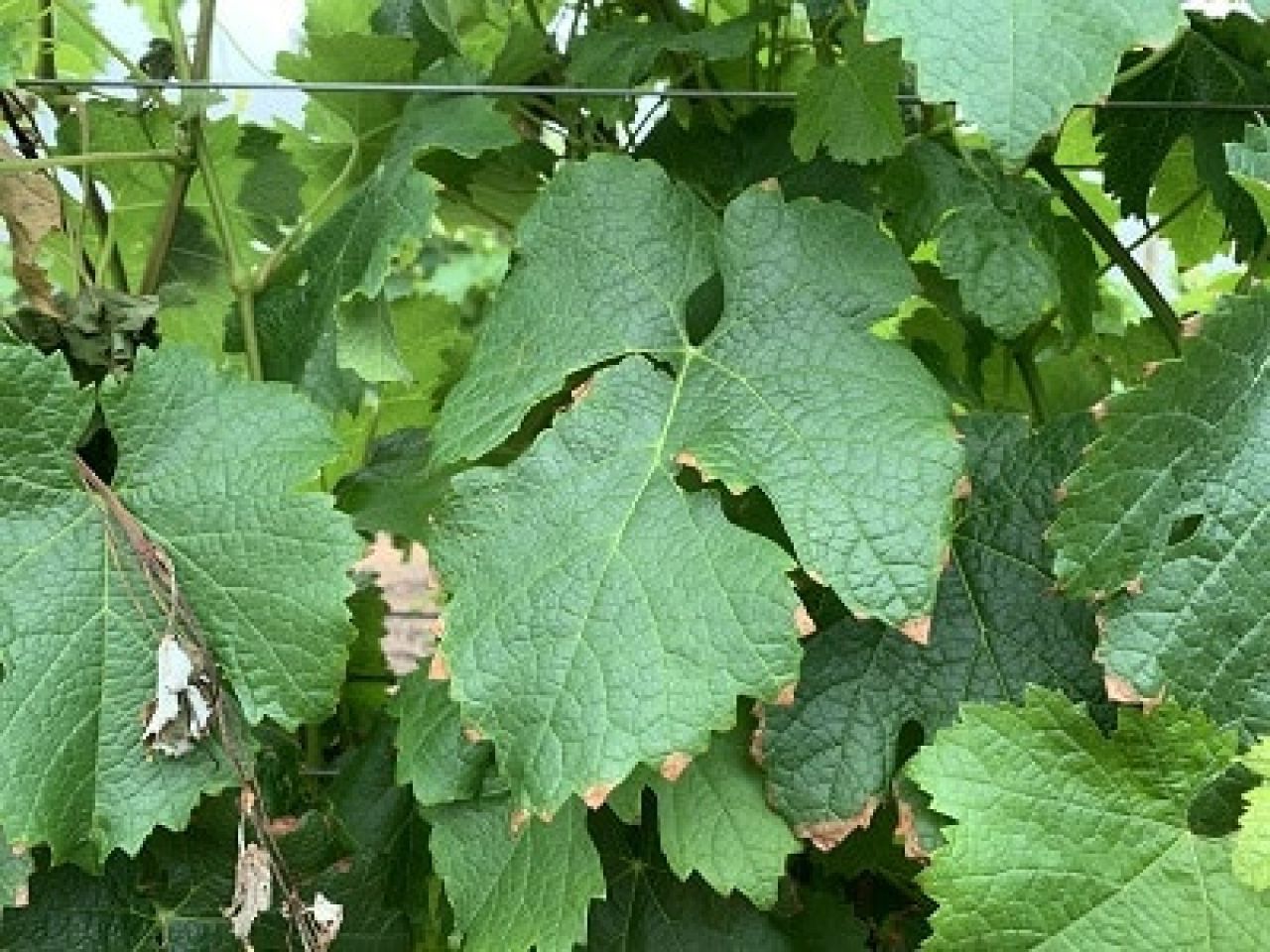
PHOTO 4.2. Leaf edges and proximal tips browning due to guttation in vigorous Merlot vines. Guttation refers to the exuding of excess xylem at the leaf edges in low water deficit situations. The xylem charged with minerals dries and causes leaf scorch.
Potassium deficiency
Potassium deficiency is often prevalent early in the season and symptoms include a yellow discolouration of the interveinal area (Photo 5.1) and rolling of the leaf edges. Later in the season leaf edges may discolour completely and turn red (Photo 5.2), including the area around the main veins.
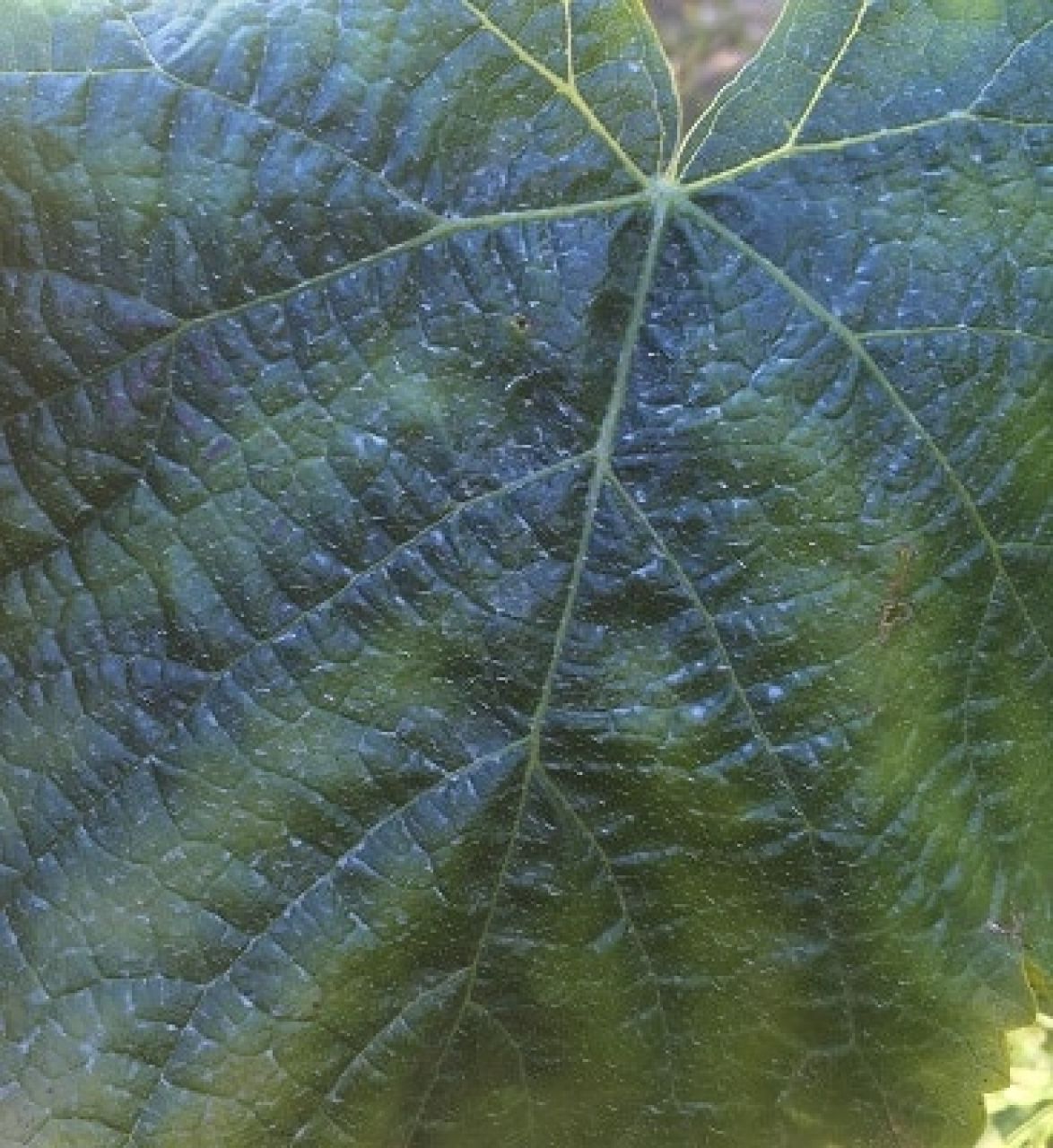
PHOTO 5.1. Early season potassium deficiencies cause very lightly-faded interveinal yellowing in both red and white varieties e.g., Chardonnay.
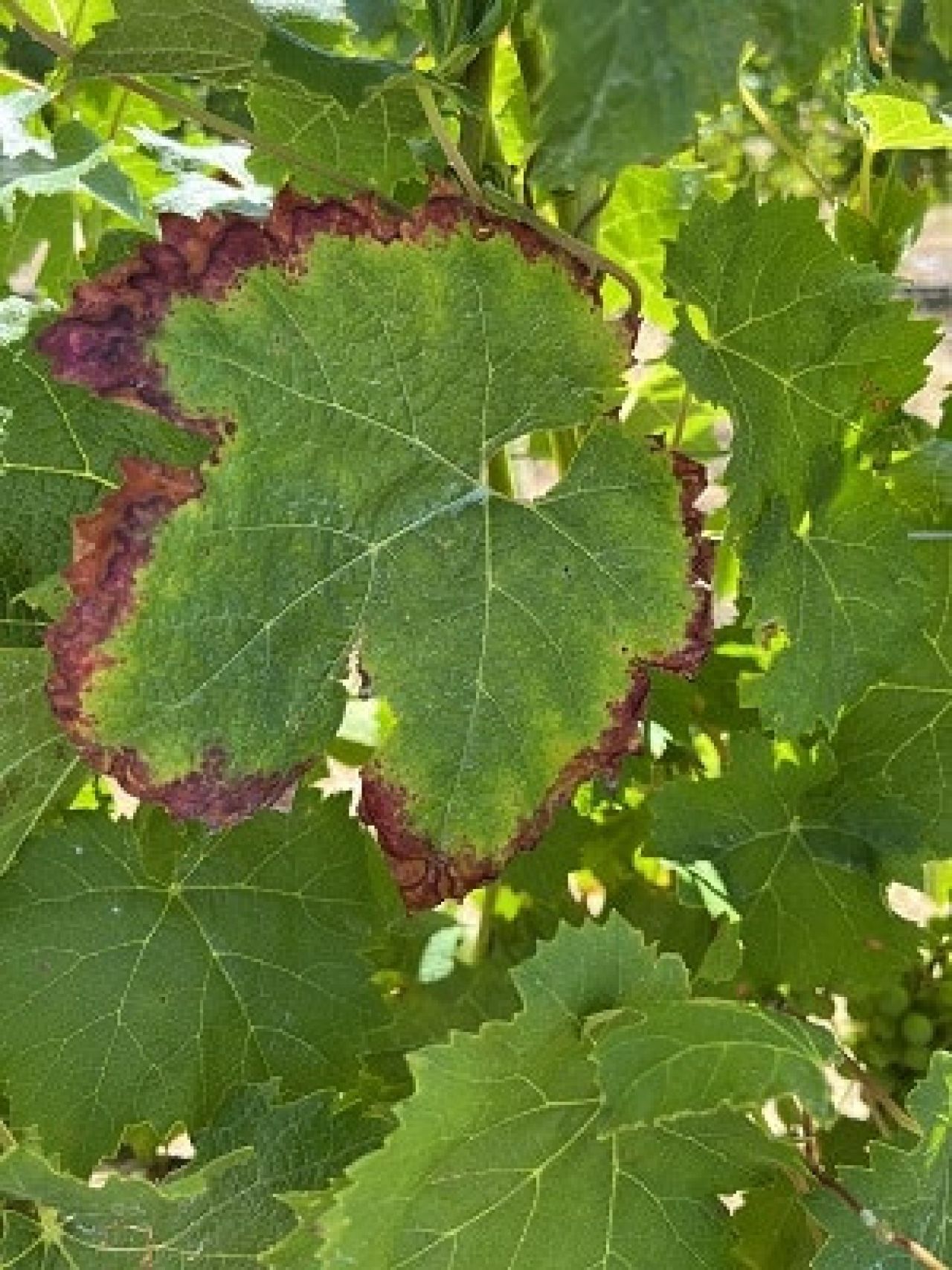
PHOTO 5.2. Late season potassium deficiencies in red varieties (example of Cabernet franc) manifest as a red discolouration at the leaf edges, note the slight yellowing on the inner part of the leaf and vines also turning red.
Phosphorous deficiency
Leaves expressing phosphorous deficiency are generally characterised by various dark red dots forming on the tips of the leaf lobes. As deficiency symptoms intensify, the dark red dots merge to form dark patches clearly delineated by laminar veins (Photo 6). Symptoms of phosphorous deficiency is not very common and seem to affect both red and white grape varieties similarly.
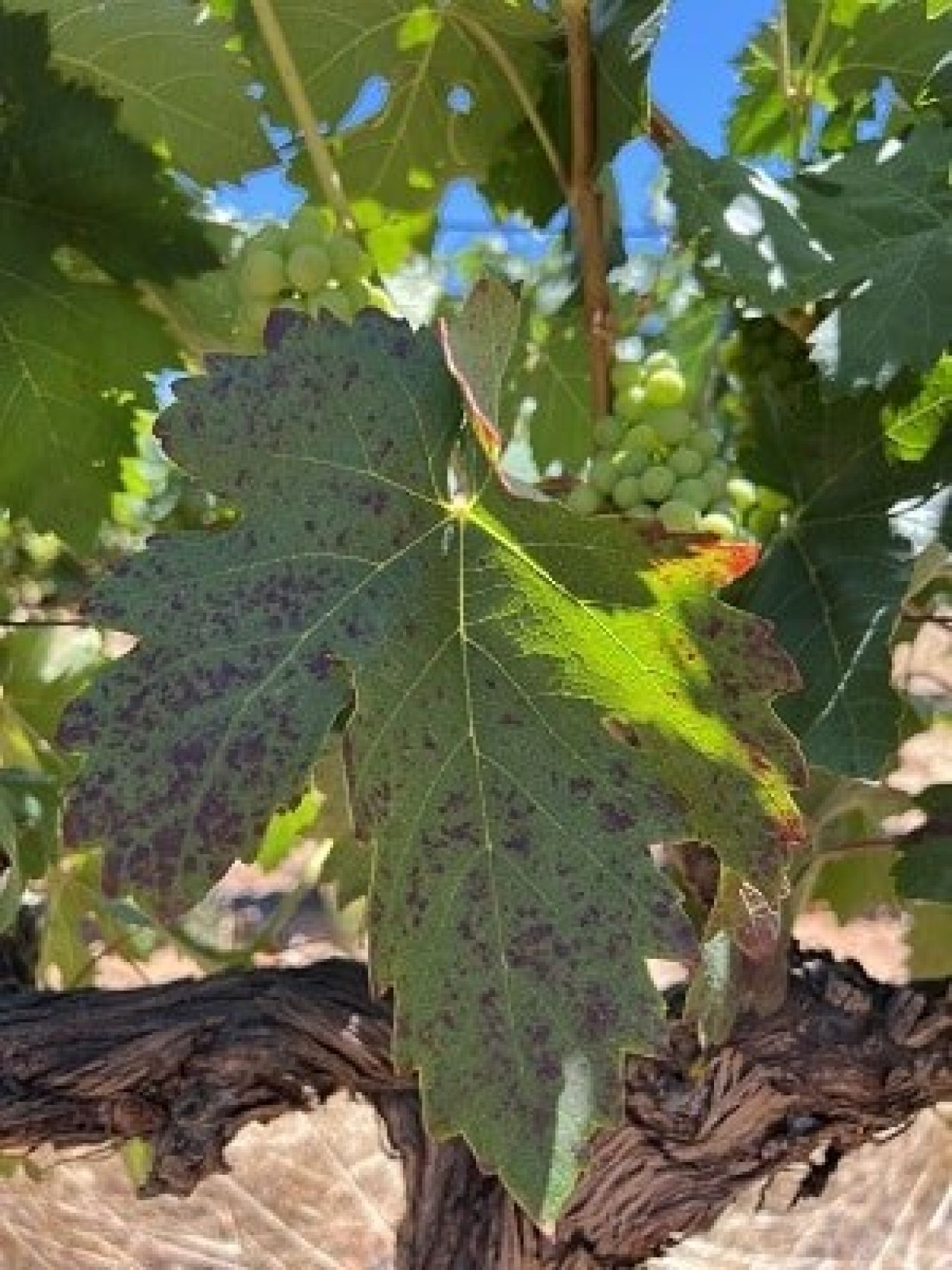
PHOTO 6. Phosphorus deficiencies cause blotchy dark-coloured pigmentation on the ends of leaf lobes, discolouration is not confined to white varieties, this for example is Tempranillo.
Magnesium deficiency
Magnesium deficiency in red grape varieties often displays striking symptoms and is common in the acidic soils of the Western Cape. Certain varieties are also prone to displaying symptoms, such as Grenache. Symptoms start as red spots accumulating in the interveinal area (Photo 7.1) to later form distinctive red wedges between main veins. Importantly veins do not remain green as in the case of GLRaV-3 expression (Photo 7.2).
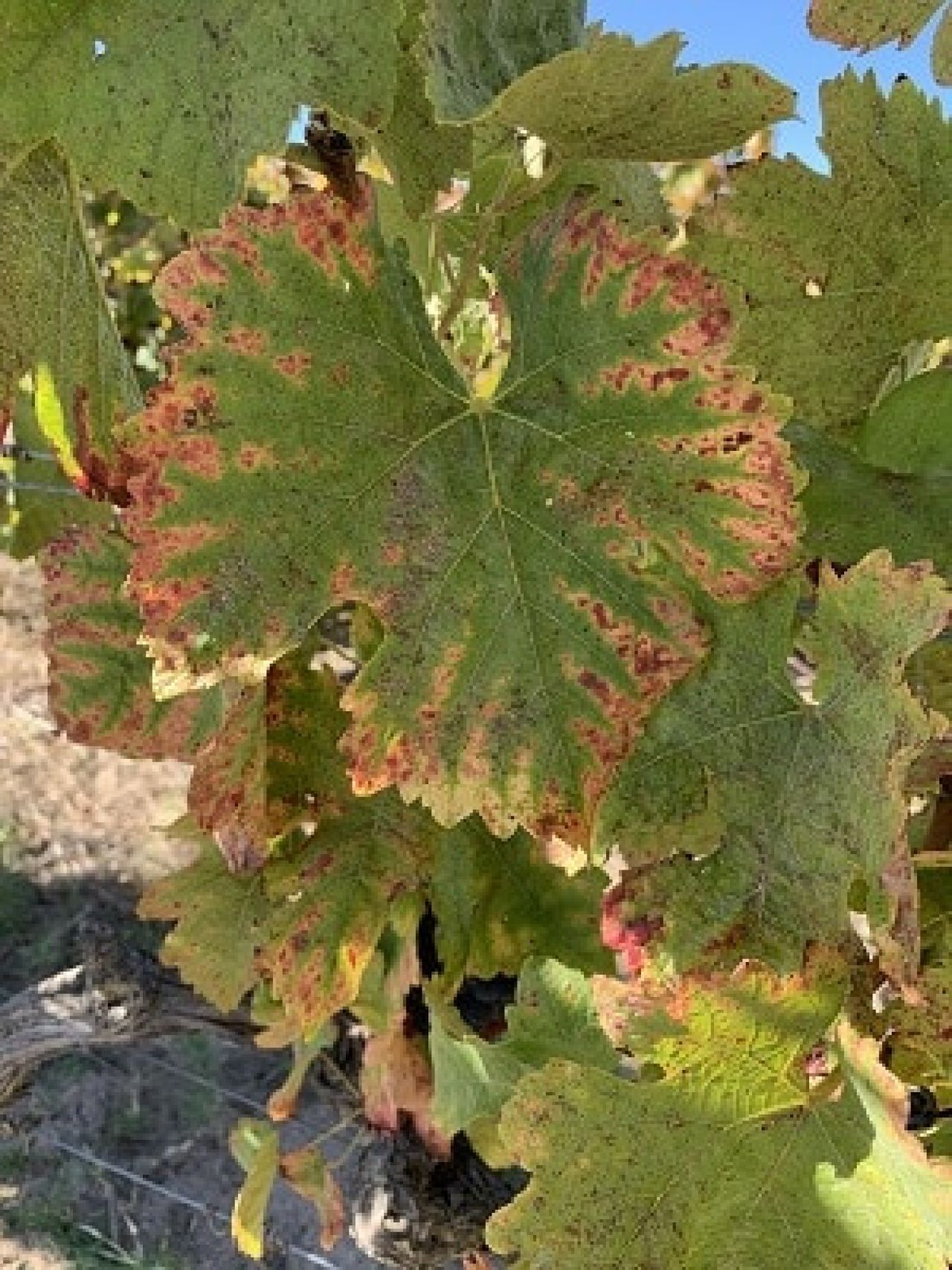
PHOTO 7.1. The start of magnesium deficiency, red dots within yellowing patches, stretching inward from the outer edges of the leaf. Veins are still green in this example of Shiraz.
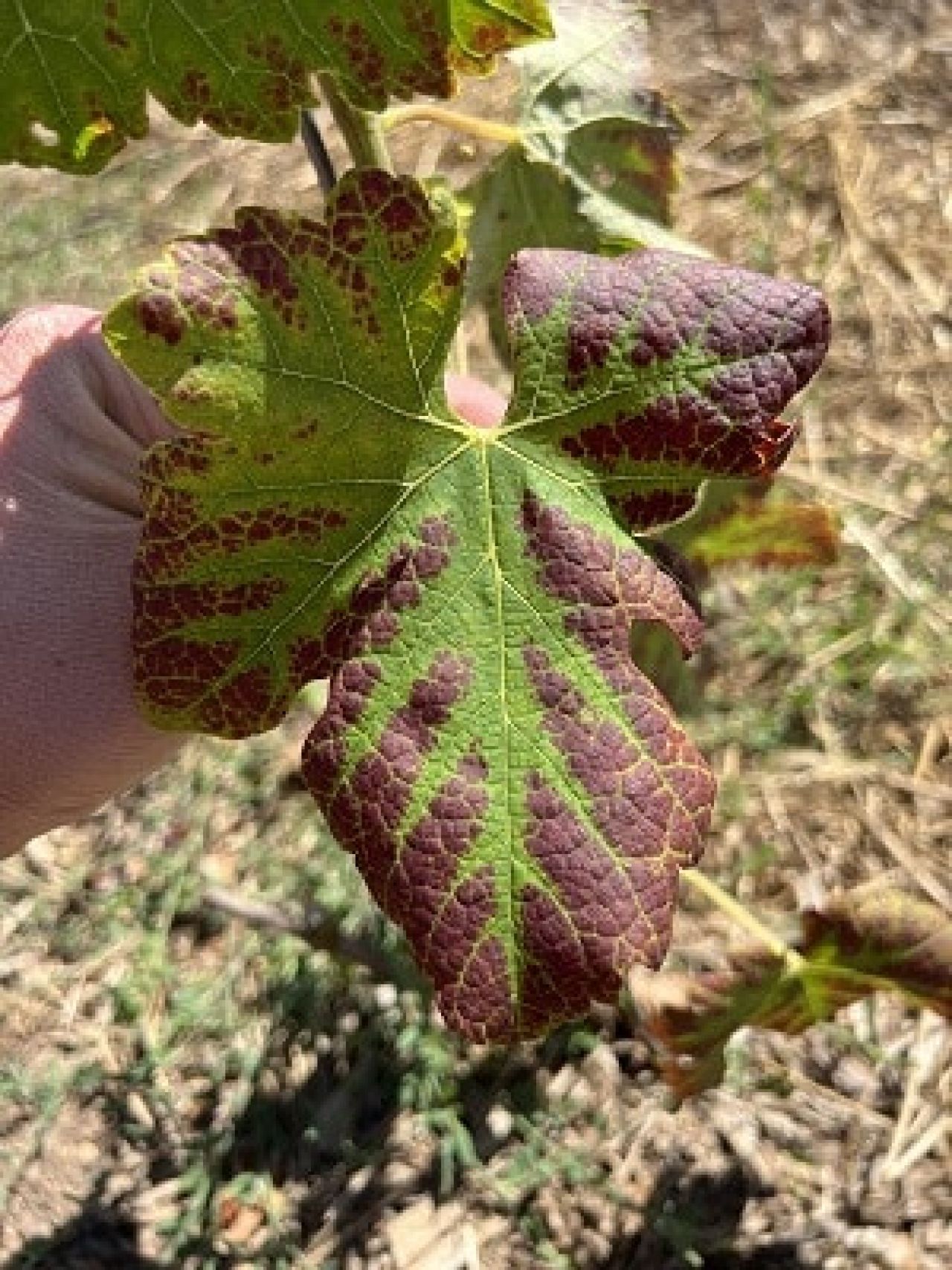
PHOTO 7.2. More developed magnesium deficiency, marked by clear red wedges between completely discoloured vines in Merlot.
Manganese deficiency
Manganese deficiencies manifest first on the basal leaves. Light yellowing/chlorosis of the interveinal areas, while veins remain dark green in colour (Photo 8). Symptoms are often evenly spread across the entire leaf blade. Symptoms remain in the yellow spectrum for both red and white grape varieties and therefore only a candidate for confusion in white grape varieties.
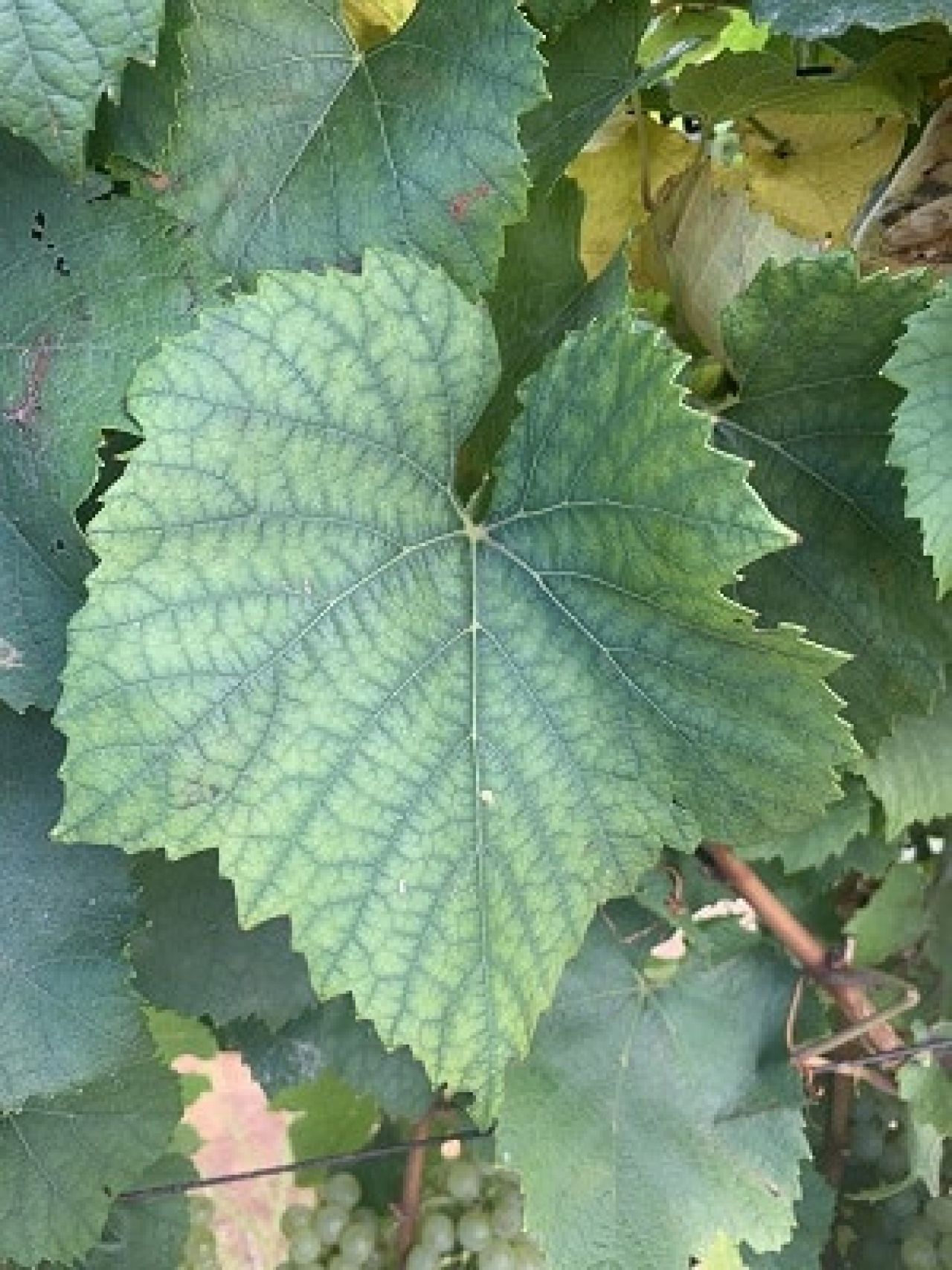
PHOTO 8. Manganese deficiency depicted by light-coloured interveinal areas covering the entire leaf blade of Verdelho.
Other diseases
There are various other grapevine diseases that can be mistaken for GLRaV-3. Although discussion thereof is not in the scope of this text, it is important to acknowledge that insight into symptoms related to other grapevine diseases is critical. In this regard, the work on grapevine abnormalities by Prof Piet Goussard is an invaluable reference resource. Specifically, symptom confusion with GLRaV-3 diseases such as Esca (wood disease), Shiraz disease (virus), Shiraz decline (cause unknown) and Aster Yellows (phytoplasma) are all worth noting.
Conclusion
A successful leafroll disease management strategy relies heavily on the correct identification of GLRaV-3 vines. In addition to visual cues, uncertainty can be removed by testing leaf blades/petioles for nutrient deficiencies and/or viruses. Generally, nutrient analysis is performed before véraison to allow for corrective action before harvest and GLRaV-3 testing after véraison to ensure optimal expression. Regarding the interpretation of visual cues/symptoms, one must always bear in mind that there is a significant impact of environmental conditions on grapevine expression and both nutrient and GLRaV-3 symptoms may/or not display seasonal variability.
“We are extremely excited by a new Winetech-funded research project undertaken by Prof Lizel Mostert and her team from Stellenbosch University to investigate the potential of creating an application (app) for easier identification of GLRaV-3 through the use of imaging, this will surely add value to the successful identification and management of GLRaV-3-infected vines in South African vineyards.”
– For more information, contact Etienne Terblanche at [email protected].
Click here to get your copy of WineLand Magazine and here to subscribe to our newsletter.

More from
Vineyard, cellar and production
How to understand regenerative farming
Regenerative farming is becoming part of the language of modern viticulture, but what does it actually look like in a vineyard?
JC Smith praat oor wynmaak in die Oos-Vrystaat
JC Smith is ’n derdegeslag-wynmaker. Sy oupa Dassie en pa Flip was albei wynmakers, en hy het tussen wingerde en wynkelders grootgeword. Hy is tans die wynmaker by Blydschap in die Oos-Vrystaat.

Cellar hygiene
Maintaining a spotless wine cellar requires a comprehensive management plan, which includes structural design, equipment sanitation, environmental controls and routine microbial monitoring.