
Netafim announces $85M mega deal to save livelihoods of 35 000 Indian farmers
· 3 min read
Netafim, one of the world’s largest irrigation company, announced that following its successful community irrigation projects in India, it has secured another mega deal estimated at approximately $85 million (R1.4 billion) for providing advanced irrigation systems to 35 000 farmers.
The new deal includes three large projects in India, involving the construction of irrigation systems that follow the Community Irrigation model. They are a testament to the successful collaboration between local farmers, the Government of Karnataka state in India and Netafim to improve the livelihood and quality of life of local communities, by employing advanced precision irrigation technologies and digital farming solutions.
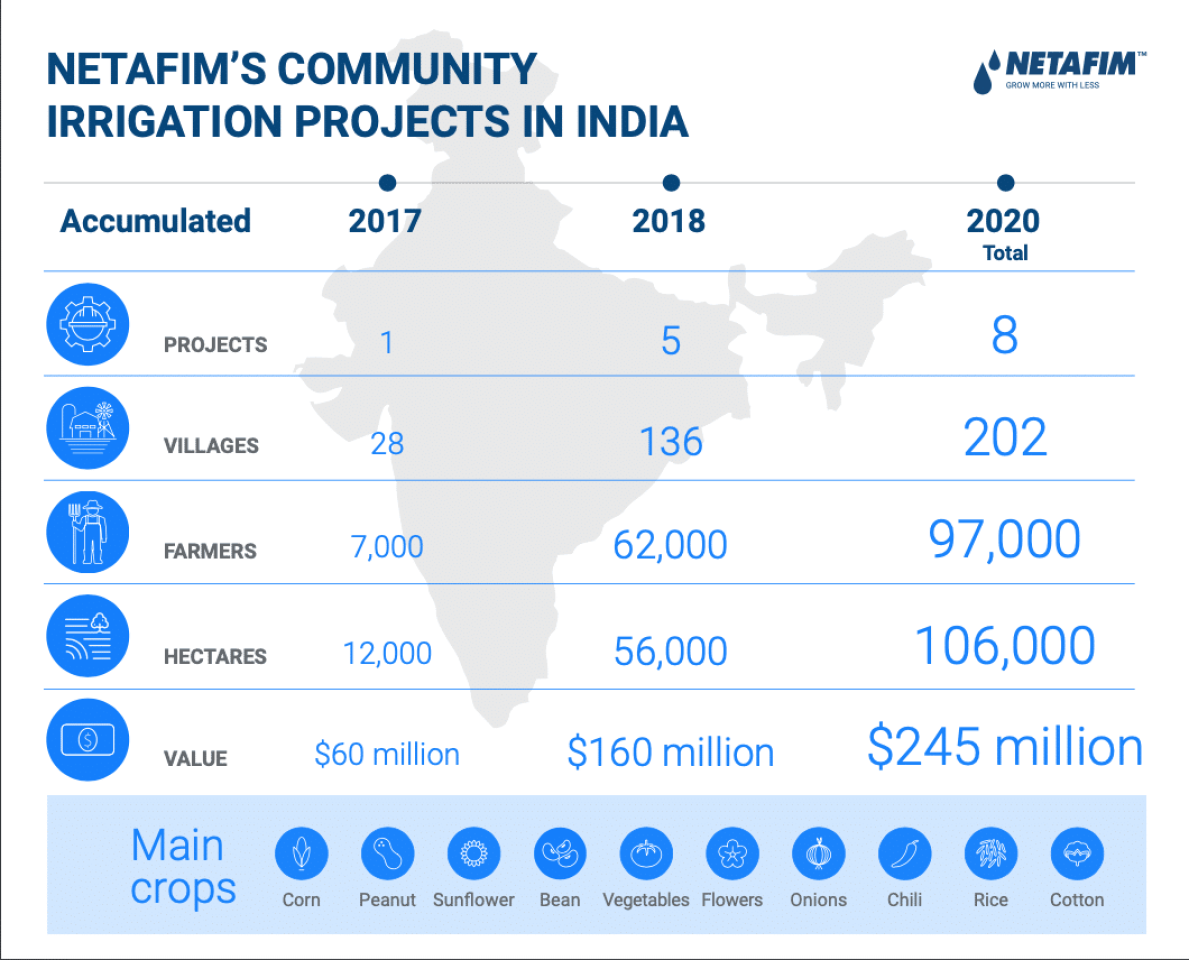
These three projects cover 66 villages and 35 000 farmers on 50 000 ha area in the state of Karnataka (Nandwadgi and Singatalur regions). Projects will be deployed over a period of two years and will include technical and agronomic support for a further five years. In these projects, Netafim joined forces with the Indian infrastructure company, MEIL (Megha Engineering and Infrastructure Limited).
To execute the entire project, Netafim will also train the farmers to operate the advanced systems. A wide range of crops are planned for the area including onion, chili pepper, corn, peanuts, beans, sunflowers and other crops.
These projects are an extension of the successful Ramthal community irrigation project in the state of Karnataka which was completed in 2017, and additional four projects in Karnataka and Andhra Pradesh which were secured by Netafim in 2018 and which are now under implementation.
The collaboration between Netafim and government agencies binds farmers into ‘irrigation communities’. Irrigation communities make it economically feasible to carry out comprehensive and large-scale infrastructure projects. Each farmer benefits from an irrigation system that suits his needs and is based on the most advanced technology. Without this collaboration, the individual farmer would not possess the knowledge or financial resources to create their own effective irrigation system.
Moreover, the support and mentorship provided by Netafim for several years guarantees the success of the project. This prevents the likelihood that at the end of the project farmers are unable to operate the systems and the investment goes down the drain.
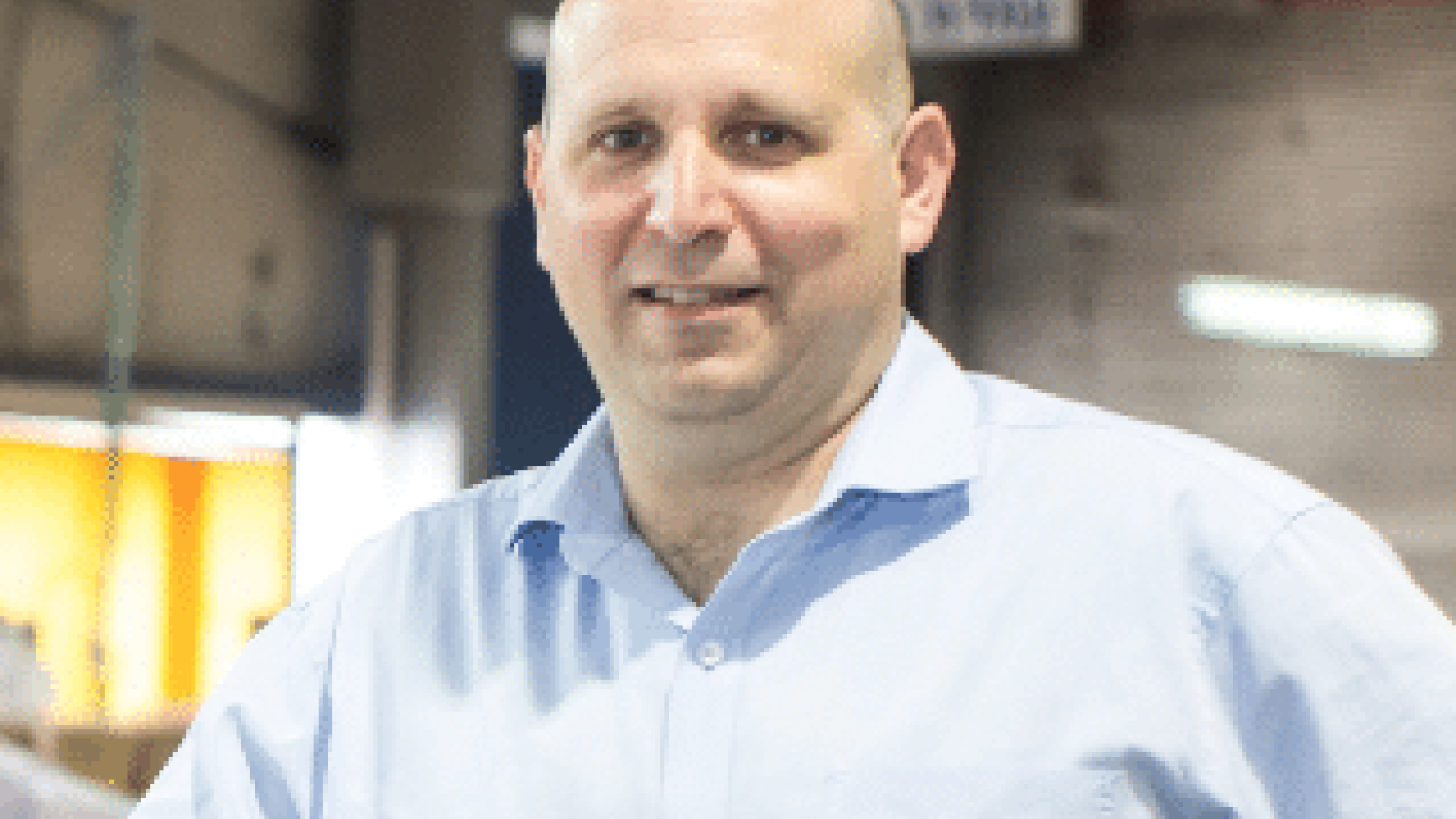
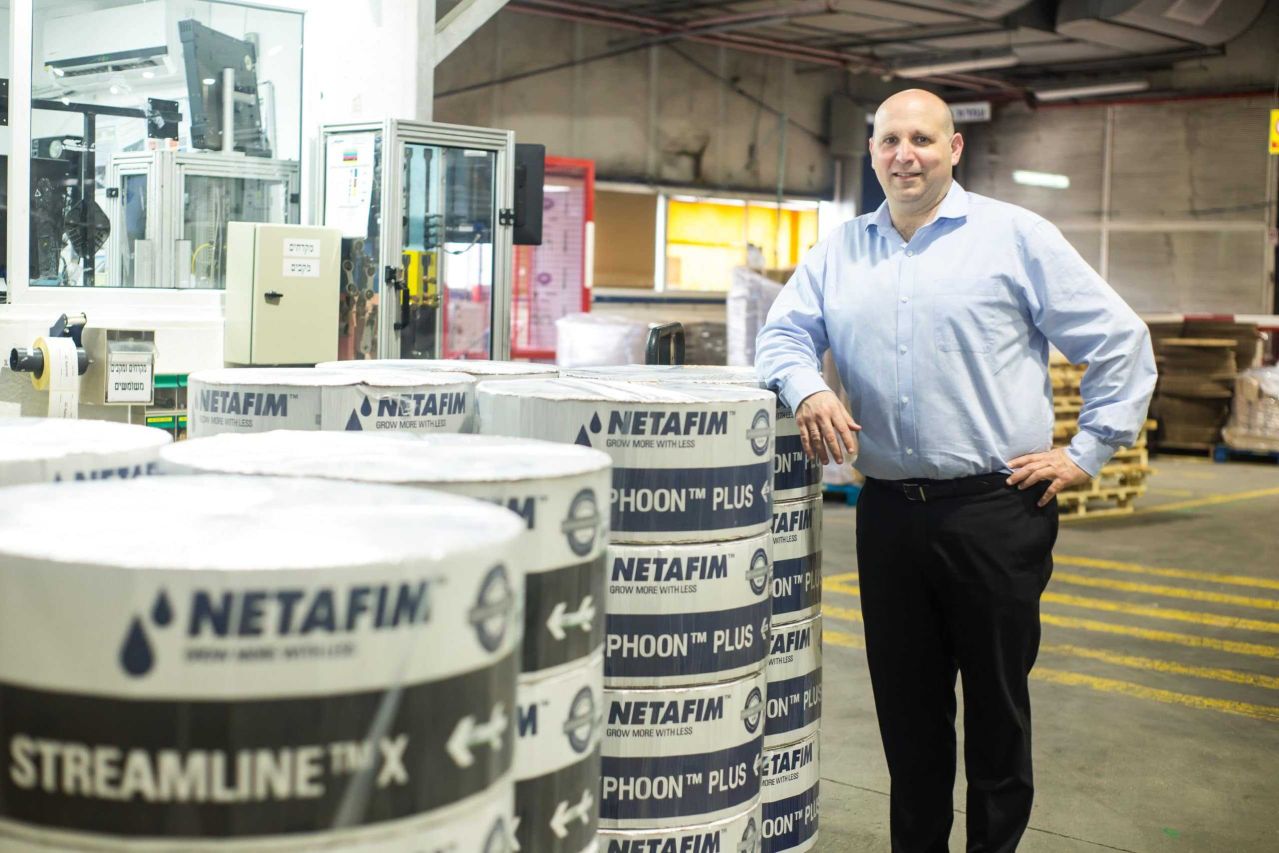
“Especially in these days of global crisis, this new mega-deal in India represents a vote of confidence in Netafim, its solutions and accomplishments. The uniqueness of these projects is in their community model, which along with local government involvement enables a huge number of farmers and villages to improve their livelihoods. The Indian government has always been extremely supportive of the agricultural sector, and now more than ever this support is important for securing the economic stability of local farmers and food security in the country” stated president and CEO of Netafim, Gaby Miodownik.
“These projects deploy NetBeat systems for digital farming which enables real-time control of the irrigation systems using cloud technologies and allows access from any mobile device. Netafim intends to expand the community irrigation project model to other countries characterised by a large number of small farmers.”
The scope of the regional irrigation projects won by Netafim to date involves 202 villages in India and over 97,000 farmers over 100,000 hectares (247,105 acres) area. The transition to precision irrigation is expected to double the agricultural output, improve its quality and save about 40% in water and fertilizer consumption.

More from
Vineyard, cellar and production

Bioprotection, from harvest to fermentation
In modern winemaking, bioprotection has emerged as an innovative and sustainable strategy to improve microbial control while reducing dependence on sulphur dioxide.
Flood damage - what next?
In light of the unprecedented floods during the second week of May 2026, this article offers a few guidelines on how flood risks can be approached and assessed.

One vineyard. Eight components. Five years of patience.
When KWV’s Laborie Blanc de Blancs 2020 claimed the Duimpie Bayly Vertex Trophy at the 2026 Veritas Awards, it was more than another win for the Paarl-based producer. It was only the third time a Cap Classique had taken the competition’s highest honour, selected from 1 293 entries.