
Gen what?
· 3 min read
The wine industry is preparing to plant vineyards for the future with a new project that combines technology and natural resources.
Consumers’ rapidly changing preferences call for a proactive wine industry that plans for the future. “Any industry that’s concerned about its future will do the necessary research to ensure that it’s sustainable and profitable, while meeting consumers’ ever-changing demands,” VinPro Consultation Services’ Francois Viljoen says.
Gen-Z, an industry-driven project that’s coordinated by VinPro, seeks to plan and plant vineyards using the latest technology, research and innovations, but that are also in harmony with our natural resources. “The vineyard of the future depends on how we plan and execute certain vineyard actions today,” Francois says. Industry bodies, which include suppliers and producers, have an important role to play in this regard.
“The essence of project Gen-Z is to establish demonstration plots in all South Africa’s wine regions,” Francois says. He believes the best tech transfer tool is showing producers how things work practically. “Industry and other involved stakeholders will demonstrate their practical experiences along with the latest viticultural research, technology and innovations,” he says.
Francois recalls a “boereproef” that Thys Louw as a young producer and winemaker did where he lengthened the poles to enlarge the canopy on eight rows. “From those eight rows came a wine that’s among the top Sauvignon Blancs in the country,” he says. He hopes this sets an example of what these demo blocks can achieve, while educating the industry on what the future holds.
It’s your project
Francois says Gen-Z is different from experimental farms in that producers are part of the process, so they can see the practical results. “This project is based on technology transfer and creating a platform for all parties to play a meaningful role to educate producers practically,” he says. “There are currently three projects underway, two of which are rootstock trials in the Swartland and Breedekloof regions. Two of our consultants, Hanno van Schalkwyk and Leon Dippenaar, are coordinating these projects focusing on Shiraz and Chenin Blanc respectively.”
The other project is on the use of new cover crops which have been used mainly in the grain industry. “We’re also doing a lot of cover crop mixes with grains and legumes that add value to the soil through nitrogen fixation and by adding organic matter,” Francois says. The cover crops can also result in savings for producers as they are more drought-resistant and have a short lifespan, which can save on water.
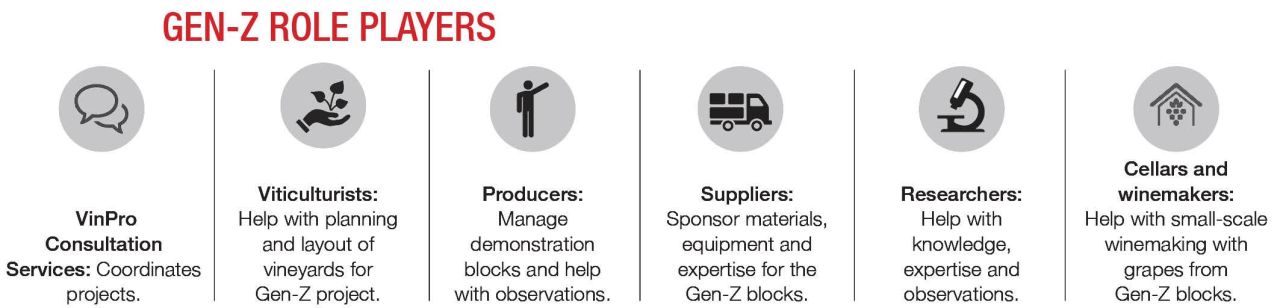
Francois emphasises the need for industry participation in the Gen-Z project. “We want everyone to know what our thinking for the future is and what our needs will be. By being proactive, we’re counteracting the challenges of the future. It’s not about how we’re going to start, but how we’ll finish.”

More from
Vineyard, cellar and production
Cellar hygiene
Maintaining a spotless wine cellar requires a comprehensive management plan, which includes structural design, equipment sanitation, environmental controls and routine microbial monitoring.
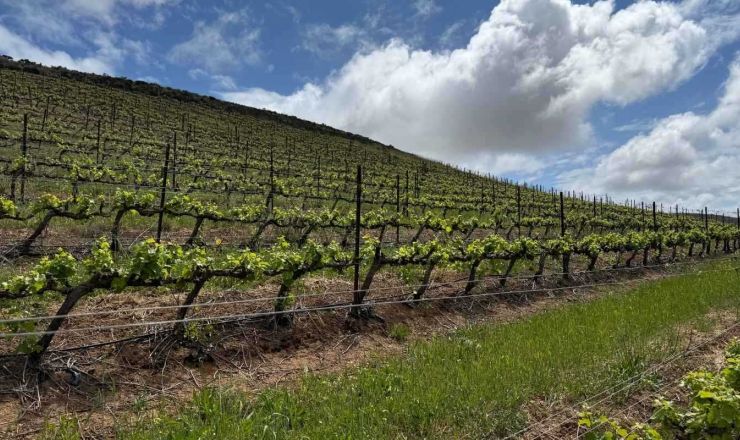
Making wine in Cape Town's Philadelphia ward
Havana Hills overlooks Table Mountain and the Atlantic Seaboard from its perch atop one of the region’s smallest wards, Philadelphia. Piet Kleinhans recently took over the reins as winemaker.
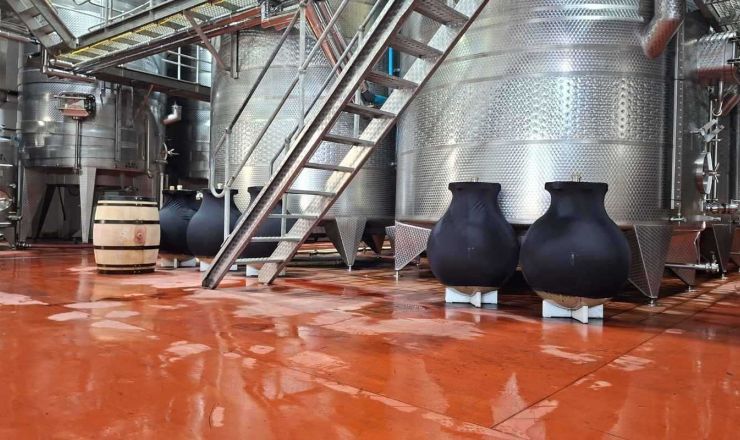
What's so special about wine globes?
Diemersdal places a strong focus on innovation, and there’s always something new up their sleeve. Wineglobes represent a new way of telling a story that’s centuries old.