
Old Vine: Fabled heritage - and a viable source of income
The Old Vine Project involves more than just protecting South Africa’s vineyards and their heritage. Old vines have contributed significantly to South Africa’s premium wine category, offering a viable and sustainable source of income for growers.
· 2 min read
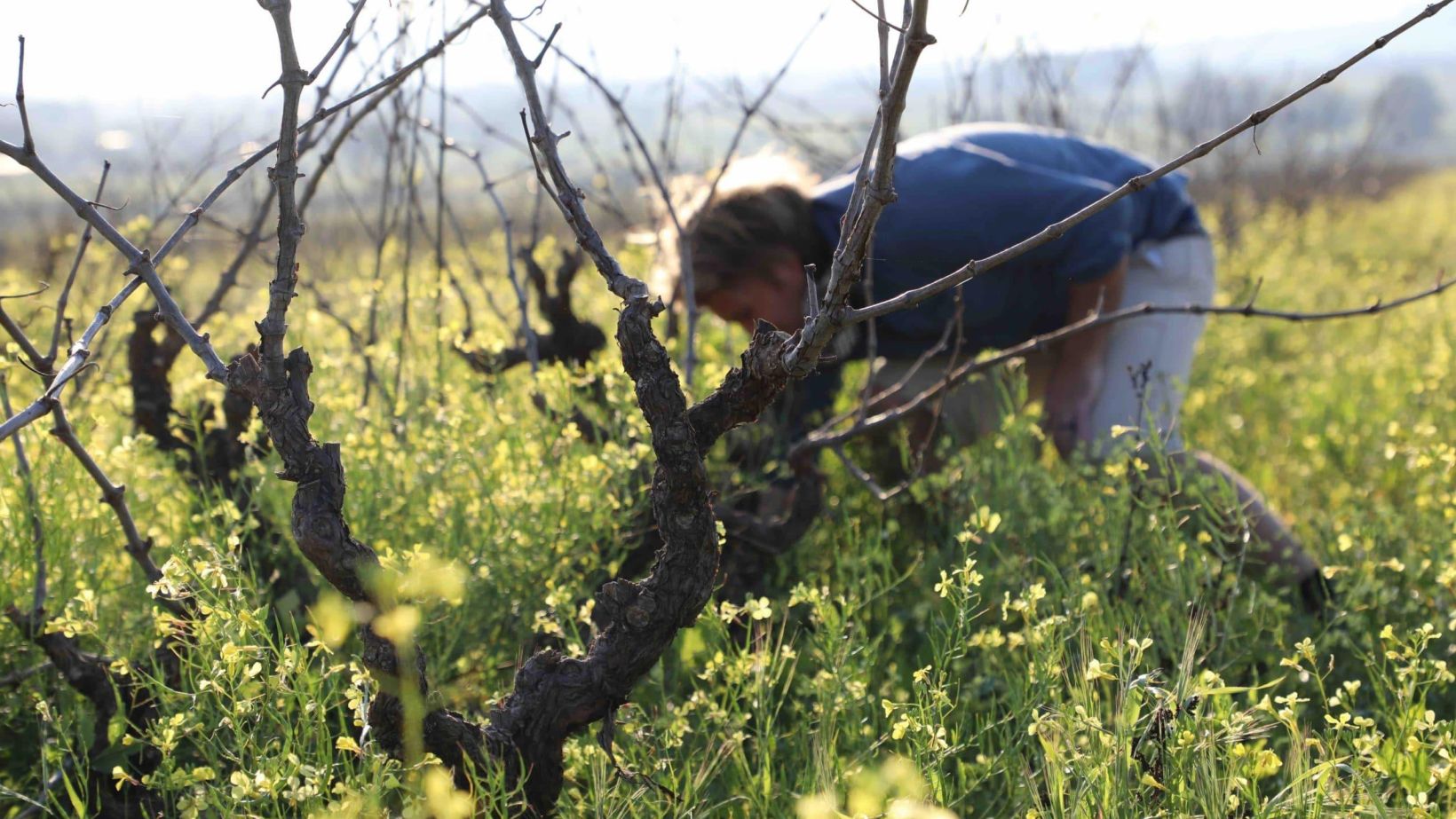
Most of us can agree great vines make great wines. And just like a good wine, vines get better with age. But what exactly makes old vines so special?
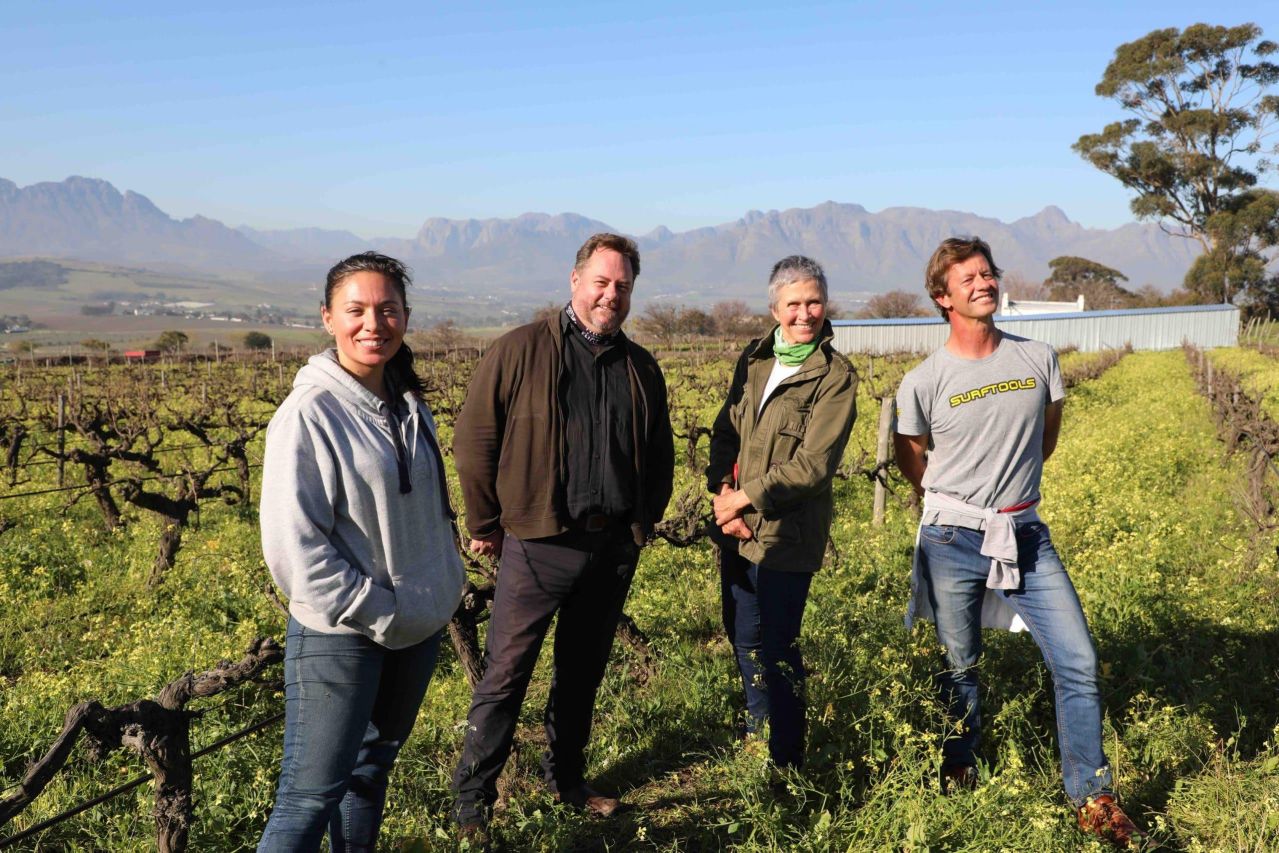
“It’s about balance,” says Rosa Kruger, renowned viticulturist and founder of the Old Vine Project (OVP). “Old vines tend to be in better natural balance.” Most old vines in South Africa have survived because they are good vines. “The combination of varietal and terroir have worked together to keep these vineyards alive when others were dying off or being ripped out.” Wines made from old vines have very little upfront fruit but maintain their excellent structure and texture – one of the reasons they’re so highly sought after locally and abroad.
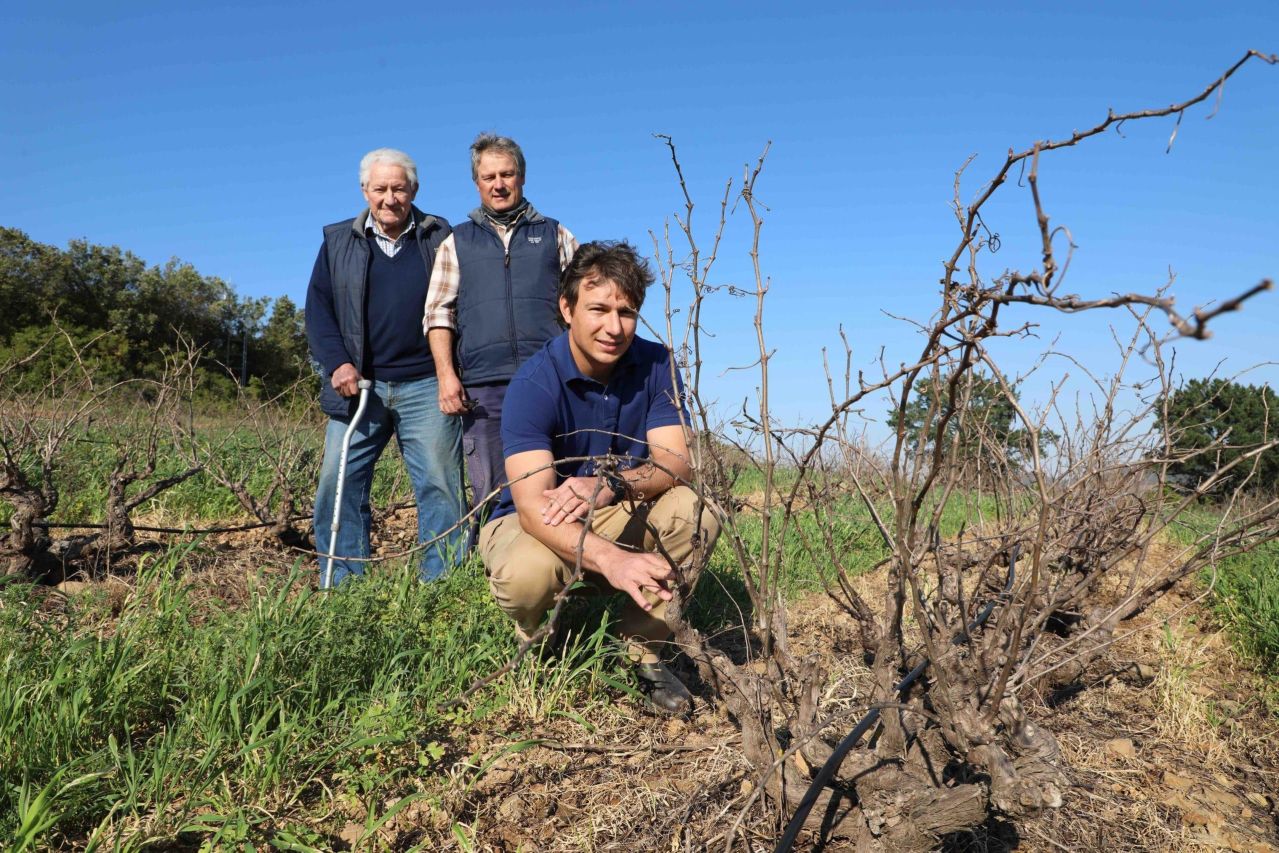
While South Africa is regarded as a New World wine producer, our vines date back decades, some even a century. But only 4% of vineyards (33 505 ha) in South Africa qualify for old vine status. The sad reality is that growers are still uprooting vineyards, either to plant more popular varietals or to replace them with more lucrative agricultural products such as citrus.
Since the formal launch of the OVP in 2016, Rosa and her team have spent endless hours trying to educate growers and producers about the magic of the old vines growing on their farms and encouraging them to preserve these old vineyards, while nudging them towards viable production levels.
Producing premium
OVP team members campaign hard to get these grapes sold at premium prices. Higher prices achieved for these low-yielding vineyards …
A full version of this article appears in the October 2020 issue of WineLand Magazine. Buy your copy here

More from
Vineyard, cellar and production

Bioprotection, from harvest to fermentation
In modern winemaking, bioprotection has emerged as an innovative and sustainable strategy to improve microbial control while reducing dependence on sulphur dioxide.
Flood damage - what next?
In light of the unprecedented floods during the second week of May 2026, this article offers a few guidelines on how flood risks can be approached and assessed.
One vineyard. Eight components. Five years of patience.
When KWV’s Laborie Blanc de Blancs 2020 claimed the Duimpie Bayly Vertex Trophy at the 2026 Veritas Awards, it was more than another win for the Paarl-based producer. It was only the third time a Cap Classique had taken the competition’s highest honour, selected from 1 293 entries.