
Plant vines with a plan
· 2 min read
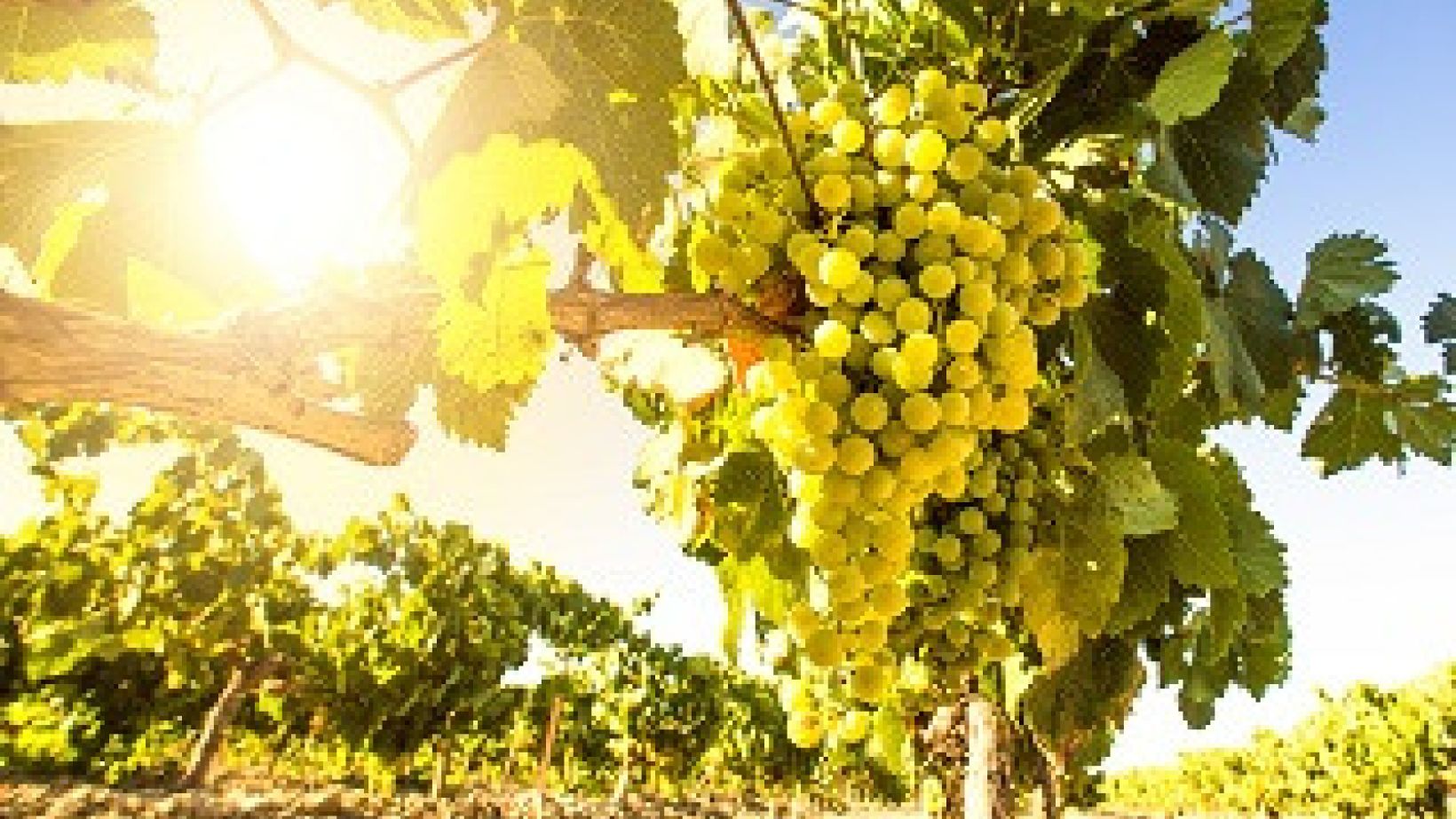
How do you go about establishing a new vineyard? Know your soil, choose top-quality plant material and be aware of pitfalls when planting your vines.
This was the message at a recent technical day in Vredendal where specialists emphasised the importance of proper soil analysis and preparation when planning to plant vines. The event was hosted by Vititec in conjunction with VinPro, Winetech and Stephen du Plessis Earthmoving.
You can’t manage what you don’t measure. Perform a proper soil analysis by making profile pits throughout the area. Knowing the soil type and form you’re dealing with, enables you to determine which cultivar and soil preparation technique is required. A chemical analysis indicates which corrections must be made.
A demonstration at the farm Voorsorg near Vredendal shed light on effective mixing during soil preparation, the application of ameliorants such as lime or phosphate, salinity and compaction.
Terrain maps indicating slope, aspect, solar radiation, the direction and accumulation of water flow, daylight length and altitude provide invaluable information to guide you when planning a new vineyard block.
Once a decision has been made about the specific cultivar suited to the area, top-quality plant material needs to be sourced. Vititec CEO Nico Spreeth emphasised the importance of planting vines that are free of harmful viruses. Vititec, which specialises in grapevine improvement and propagation, has for instance been involved in a programme that addresses the management of leafroll virus.
VinPro viticulturist Gert Engelbrecht said producers should be aware of certain pitfalls when planting new vines. Planting holes may not have been made correctly, which could lead to a ‘pot plant’ effect in vine roots. The roots are unable to penetrate a compacted layer made by a shovel.
Vines are often not placed in the middle of the holes, which results in them growing in a J formation. Don’t over-irrigate your vines from the get-go and make sure the young vines are trained according to their growth potential.

More from
Vineyard, cellar and production

Bioprotection, from harvest to fermentation
In modern winemaking, bioprotection has emerged as an innovative and sustainable strategy to improve microbial control while reducing dependence on sulphur dioxide.
Flood damage - what next?
In light of the unprecedented floods during the second week of May 2026, this article offers a few guidelines on how flood risks can be approached and assessed.

One vineyard. Eight components. Five years of patience.
When KWV’s Laborie Blanc de Blancs 2020 claimed the Duimpie Bayly Vertex Trophy at the 2026 Veritas Awards, it was more than another win for the Paarl-based producer. It was only the third time a Cap Classique had taken the competition’s highest honour, selected from 1 293 entries.