
Q&A with Dr Carolyn Howell
· 5 min read
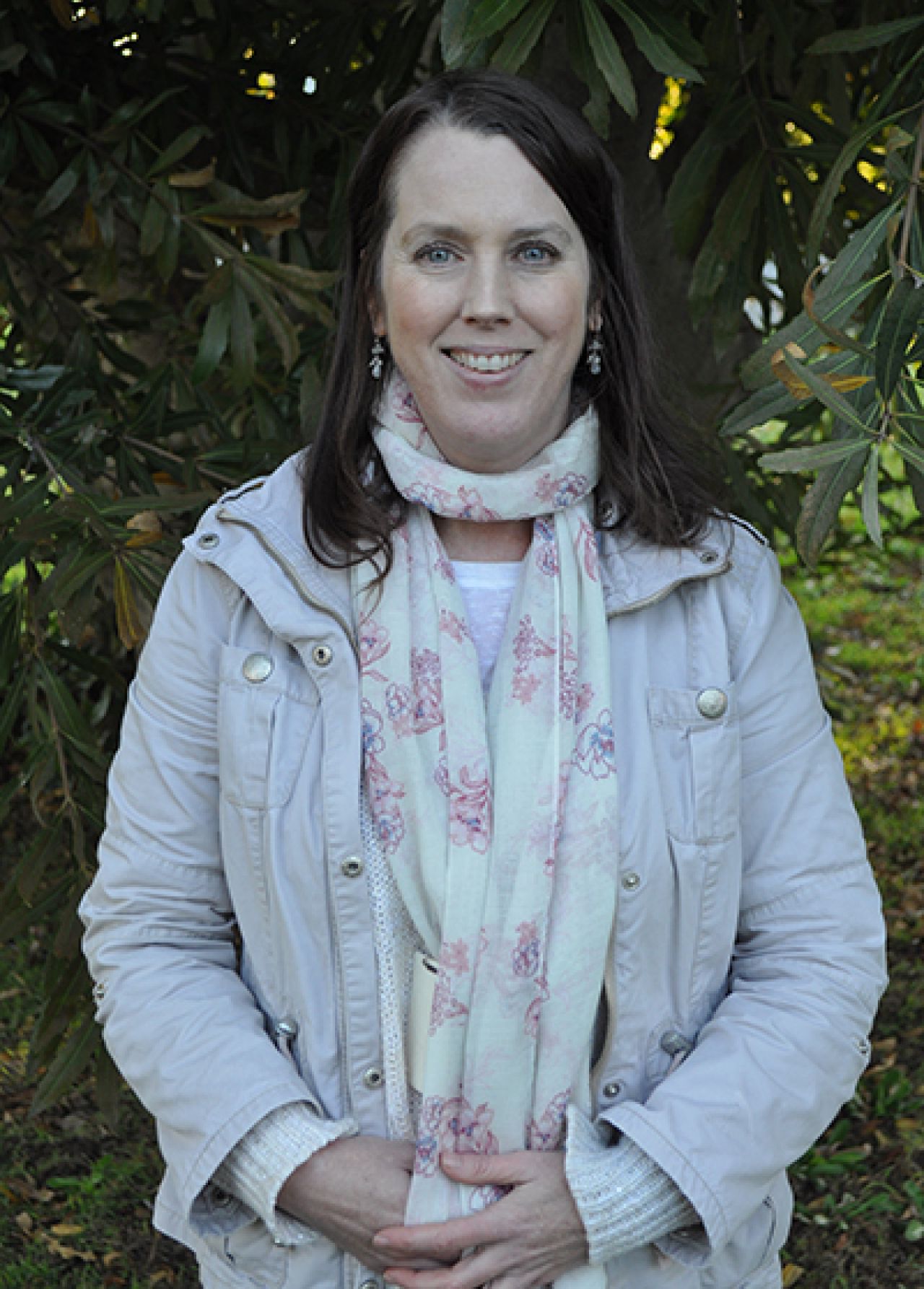
Dr Carolyn Howell is an experienced senior researcher in the Soil and Water Science Division of the ARC Infruitec-Nietvoorbij, with a PhD in Soil Science and several papers on irrigation topics. Her undergraduate background in soil science has led her to study the relationship between water and wine and table grapes. This included investigating the impact and use of diluted winery wastewater for vineyard irrigation and studying the combined effect of canopy management and irrigation on grapevine performance. Dr Howell has also focused on the irrigation of table grapes. She is currently an assistant editor of the South African Journal of Enology and Viticulture.
Carolyn’s research articles can be accessed on WineLand’s website.
What is your current research focus?
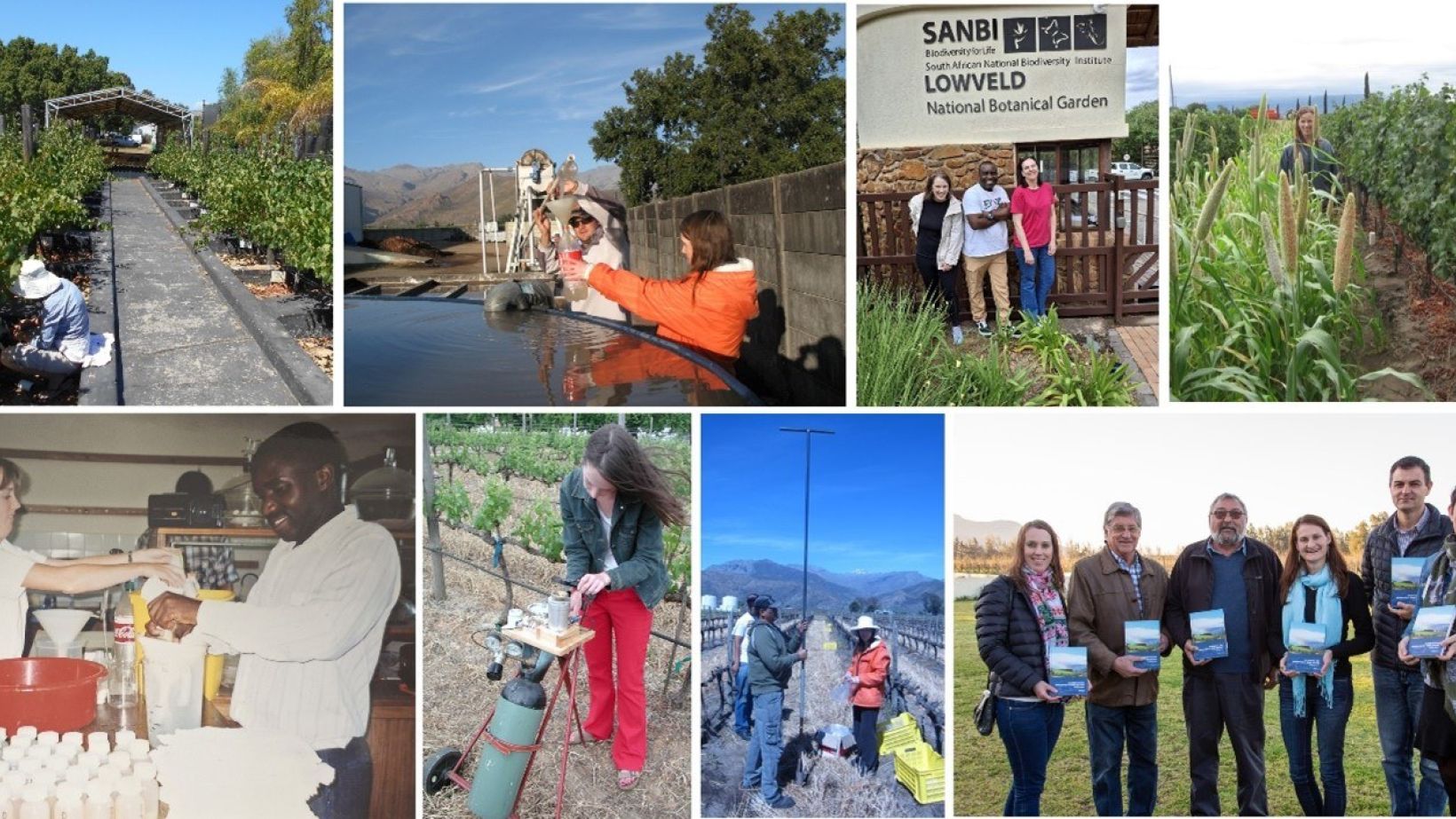
I recently completed my Agricultural Research Council (ARC) and South Africa Wine funded research project on the evaluation of the drought tolerance of alternative wine grape scion cultivars for the South African wine industry. Currently, my research has a strong sustainability focus. In this regard, I am researching the use of cover crops for sustainable production in table grape vineyards, citrus groves and macadamia orchards in collaboration with Dr Reckson Mulidzi and Mrs Karen Freitag, my colleagues in the Soil and Water Science division at ARC Infruitec-Nietvoorbij.
I am also leading a project investigating the effect of crop loads on yield and quality in a drip-irrigated Sweet Globe vineyard in Paarl.
How does your research contribute to the South African wine industry?
The wine grape irrigation research that was done in the Soil and Water Science division, ARC Infruitec-Nietvoorbij, has contributed to guidelines on how to manage vineyards in terms of their water requirements, particularly during drought periods. In addition, the research that was done on alternative sources of irrigation water for vineyard irrigation, which was funded by the Water Research Commission (WRC), ARC and South Africa Wine, has shown that these sources of water can be used to sustain yield of grapevines, particularly during drought or where there are no sources of fresh water available.
Dr Mulidzi, Mrs Freitag and I are looking forward to the technology transfer component of our recently completed drought tolerant wine grape scion cultivar project and believe that our research has highlighted that certain alternative drought tolerant wine grape scion cultivars can be cultivated successfully in our wine industry. We believe that this research will contribute to the sustainability of the South African wine industry in light of predicted climate changes in the foreseeable future as well as changing consumer preferences.
What was a memorable moment in your career so far?
There have been many memorable moments but the following are some that stand out:
- The opportunity that I received from SA Wine to attend the 19th AWITC in Adelaide, Australia in July 2025 to attend the conference proceedings and present two posters. The trip was memorable because it gave me an awareness of the global extent of the wine industry and, to a large extent, gave me an awareness that we are all faced with similar challenges.
- The annual training that I present on cover crops and table grape irrigation for the SATI, Raisins SA and Stellenbosch University Table Grape Modular Courses at VAMF in Kakemas is always a highlight for me. I love travelling from Cape Town to Upington in the small propeller aeroplane and then enjoying the scenery when I drive from Upington to Kakemas. I also enjoy teaching the students about a subject matter that is so close to my heart.
- One day when I was working at the Wansbek irrigation trial, I saw a Cape cobra three times within half an hour. It was petrifying. The experience taught me to always make a noise when working in the vineyard.
- When I assisted Dr Zemari Coetzee with her terroir pre-dawn leaf water potential measurements, she would always make strong coffee and at about 02:00 she would say “it’s coffee time now” and we would stop for a break, listen to some music and enjoy the coffee in the vineyards of Stellenbosch when everyone else was still sleeping.
- I’ve been working with Dr Mulidzi and Mrs Freitag for over 27 years now, and they have formed a large part of my career. I cherish their hard work and inputs in the different roles they play in my professional life, support, friendship and guidance.
- When we worked in Addo for the first time, Mrs Freitag and I drove from Addo to the N2 via the Addo Elephant National Park. We saw 24 elephants in 10 minutes. Just when we thought there would be no more elephants, another one would appear. Of everything that I have ever experienced in my career, seeing all those elephants on that day is the ultimate highlight.
If you could collaborate with anyone (past or present), who would it be and why?
I would like to collaborate with Talitha Venter from SAGWRI in the future. Talitha and I met in 2017 when we selected Backsberg, where she was working at that stage, as one of our sites for our winery wastewater project. Talitha assisted the ARC project team a lot with her enthusiasm and friendliness when we installed our irrigation infrastructure and with the vineyard itself. I believe our individual strengths and divergent fields of expertise will be complementary to each other and we could collaborate very well together.
The song that gets you through deadlines?
Listening to Bok Radio or “Sweet Caroline” by Neil Diamond gets me to my deadlines.
If you weren’t a researcher, what would you be doing?
I would be a consulting psychologist with my own practice.
The best advice you’ve ever received?
“Everything happens for a reason” is the best advice I have ever received and helps me navigate with optimism through life.
Favourite place to unwind after a busy week?
Definitely @home with a nice cappuccino and a good Turkish series to watch.
If your research were a wine, what would it be and why?
I would rather like to describe my research as “sparkling water” because so much of it has been involved with vineyard irrigation.

More from
Vineyard, cellar and production

Cellar hygiene
Maintaining a spotless wine cellar requires a comprehensive management plan, which includes structural design, equipment sanitation, environmental controls and routine microbial monitoring.
Making wine in Cape Town's Philadelphia ward
Havana Hills overlooks Table Mountain and the Atlantic Seaboard from its perch atop one of the region’s smallest wards, Philadelphia. Piet Kleinhans recently took over the reins as winemaker.
What's so special about wine globes?
Diemersdal places a strong focus on innovation, and there’s always something new up their sleeve. Wineglobes represent a new way of telling a story that’s centuries old.