
Riding the organic wave
Spain has focused on producing organic and biodynamic wines for its export markets since 2014 and the strategy seems to be paying off. A growing thirst for organic wines also presents an opportunity for South African producers.
· 3 min read
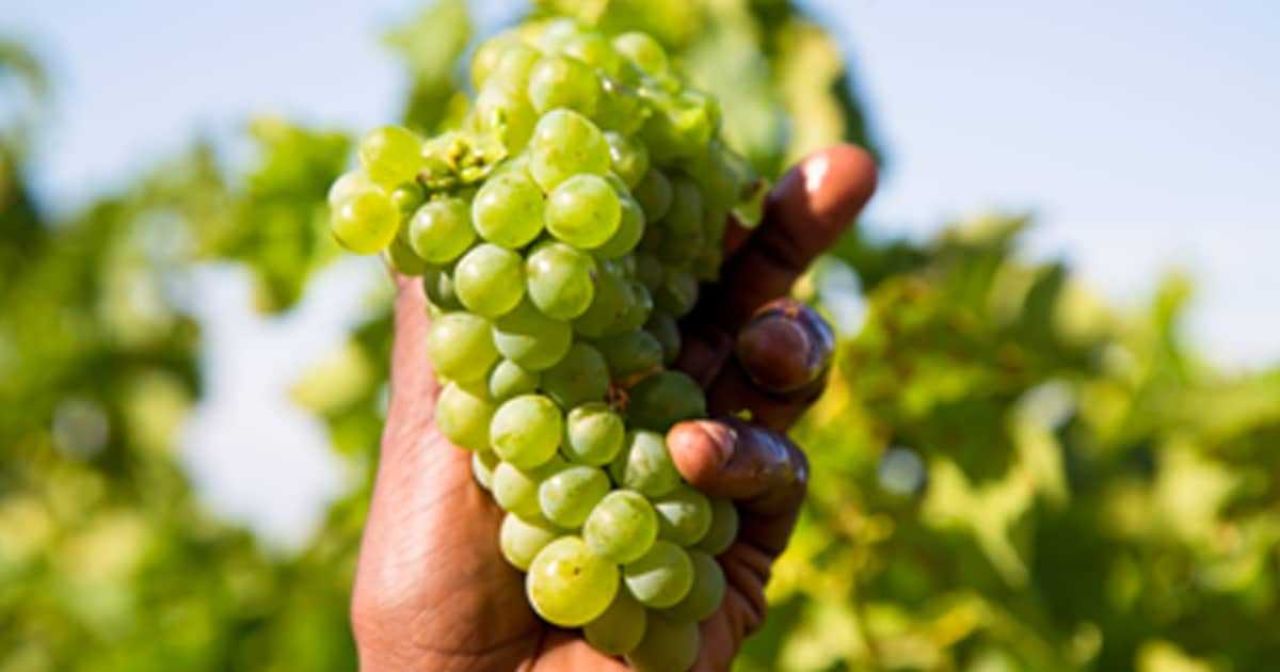
The Spanish ministry of agriculture reported that organic (or as they also call it, “ecological”) vineyards covered 113 419 ha in 2018, representing 20% of Spain’s total permanent crop area and 11.8% of its total vineyard area, which means it has caught up with France (12%) and overtaken Italy (10%) in total vineyard area. At the same time, the number of organic wine producers in Spain increased by 10% from 939 in 2017 to 1 033 in 2018.
Taking a stand
The growth in Spain’s organic industry can be partly attributed to its favourable climate with low fungus and disease pressures, but is also due to generous subsidies from its department of agriculture. According to European wine journalist Thomas Brandl, the industry also received a significant boost from a number of celebrity winegrowers. Wineries for Climate Protection member Miguel Torres has been a powerful driving force behind the subcategory since he intends to eventually convert all his vineyards to organic.
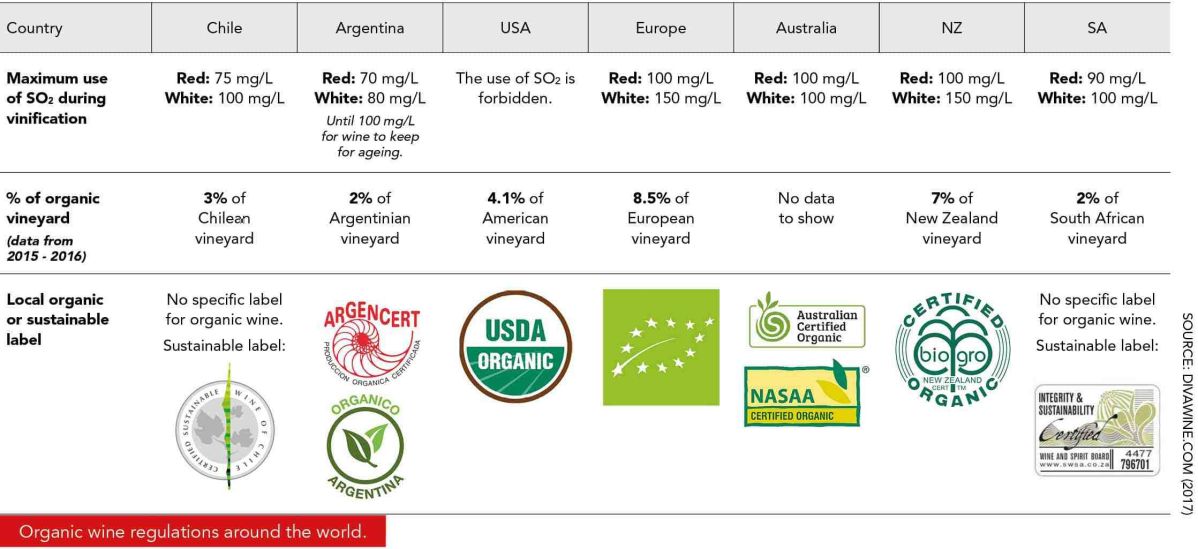
For the moment, organic farming requirements don’t include environmental considerations such as carbon footprints. But Miguel has been vocal when it comes to addressing climate change, saying organic standards should evolve to take climate change into consideration. “The fact that a wine is made according to organic criteria doesn’t automatically help combat climate change. We’re in favour of a new European eco-sustainable wine category that incorporates new environmental issues that go beyond those being strictly regulated.”
Why is this significant? For the first time in its 15-year history, the World Economic Forum’s Global Risks Report found that climate-related issues dominated the top five places on the list of concerns likely to have a major impact on the world over the next decade. Little wonder environmentally conscious consumers are buying into products from producers serious about change.
Driven by demand
Sales of organic wines are expected to grow by at least 14% annually until 2022, reaching 87.5 million cases globally, according to the 2019 IWSR organic wine report. Crucially, the category seems to be growing at a time when sales for still wine remain flat, showing 9.2% compound annual growth from 2017-2022. Europe will account for 78% of the market in 2022. Germany is the biggest organic market in Europe, followed by France.
Organic vineyards in France covered 94 000 ha in 2018 – an increase of 12% from 2017, French organic products association Agence BIO reports. Most organic wines are produced locally, but the industry is struggling to keep up with demand, creating opportunities for ambitious exporters such as Spain who are able to deliver on value. This is even truer in Germany, where organic wine accounted for 6% of still wine consumption in 2017, with locally produced German wine only supplying 52% of that volume.
Retailers have responded by broadening their range of organic wines, with the result that supermarket sales in France grew by 23% in 2018, a jump worth almost €200 million (R3.2 billion), according to Vitisphere. At the same time, direct-to-consumer sales of organic wine brought in €435 million (almost R7 billion). An increasing number of French vineyards are switching to organic in order to meet demand, and conversions were up by 63% in 2018. Other countries have also jumped at the opportunity to serve this growing market. New Zealand aims to have 20% of its vineyards certified organic by the end of 2020.
South Africa
No official SAWIS figures are available, but industry estimates a …..
A full version of this article appears in the March 2020 issue of WineLand Magazine. Buy your copy here

More from
Vineyard, cellar and production
One vineyard. Eight components. Five years of patience.
When KWV’s Laborie Blanc de Blancs 2020 claimed the Duimpie Bayly Vertex Trophy at the 2026 Veritas Awards, it was more than another win for the Paarl-based producer. It was only the third time a Cap Classique had taken the competition’s highest honour, selected from 1 293 entries.
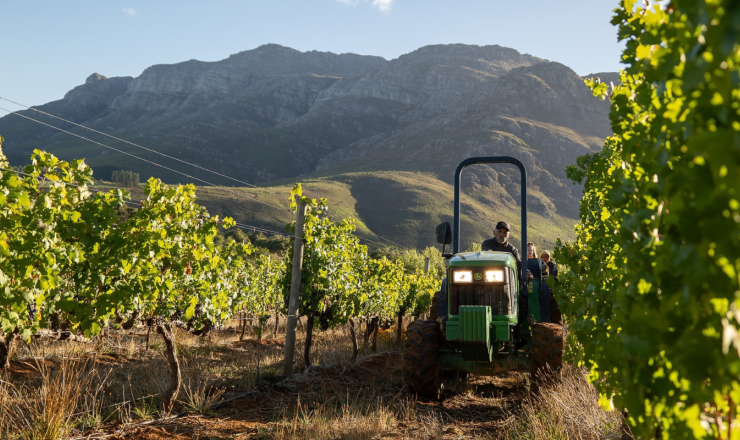
How to understand regenerative farming
Regenerative farming is becoming part of the language of modern viticulture, but what does it actually look like in a vineyard?
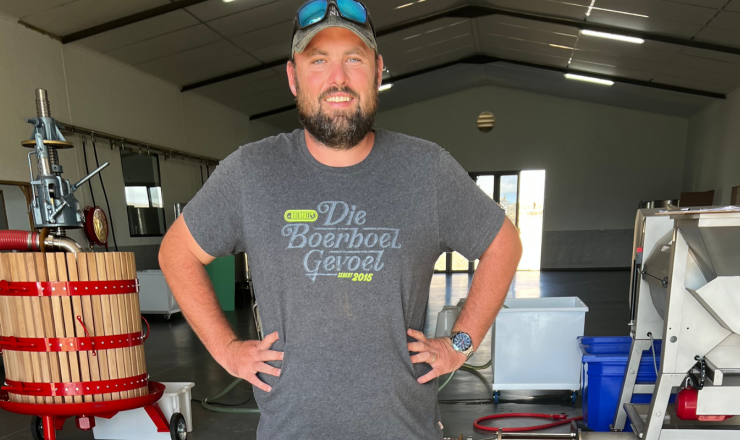
JC Smith praat oor wynmaak in die Oos-Vrystaat
JC Smith is ’n derdegeslag-wynmaker. Sy oupa Dassie en pa Flip was albei wynmakers, en hy het tussen wingerde en wynkelders grootgeword. Hy is tans die wynmaker by Blydschap in die Oos-Vrystaat.