
Temperature study in the Olifants River region
· 2 min read
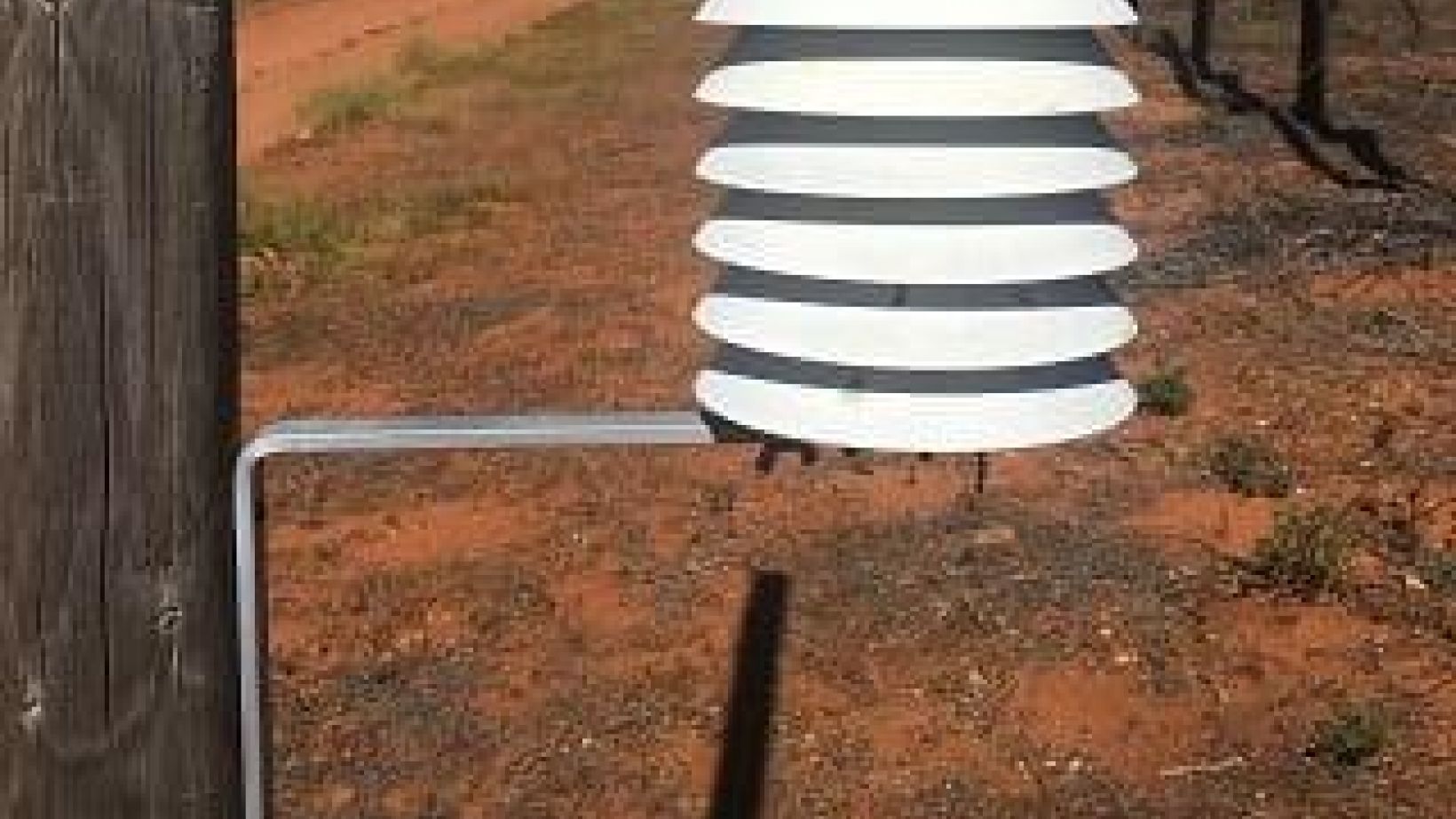
In 2002 Vinpro viticulturist, Jeff Joubert, in collaboration with the producer cellars in the region and the West Coast Wine Route, initiated a temperature project. Altogether 35 MCS486T temperature data loggers (Photo 1) were strategically placed across the entire region and these still continue to capture temperatures on an hourly basis. The objective of this article is to share some of the processed data and to illustrate the diversity and unique characteristics of the region.
Diversity It is common knowledge that temperatures drop as one moves closer to the coast. It is less known, however, how drastically temperatures vary within the Olifants River area. The average February temperatures for the period 2002 to 2015 were calculated for 14 representative loggers and extrapolated to compile a temperature chart (Figure 1). The area is fairly flat and the height above sea level of the 14 loggers ranges from 10 to 50 m. Furthermore long term average February temperatures of known ARC stations in other regions were used to put the data in context and illustrate the big differences in temperature.
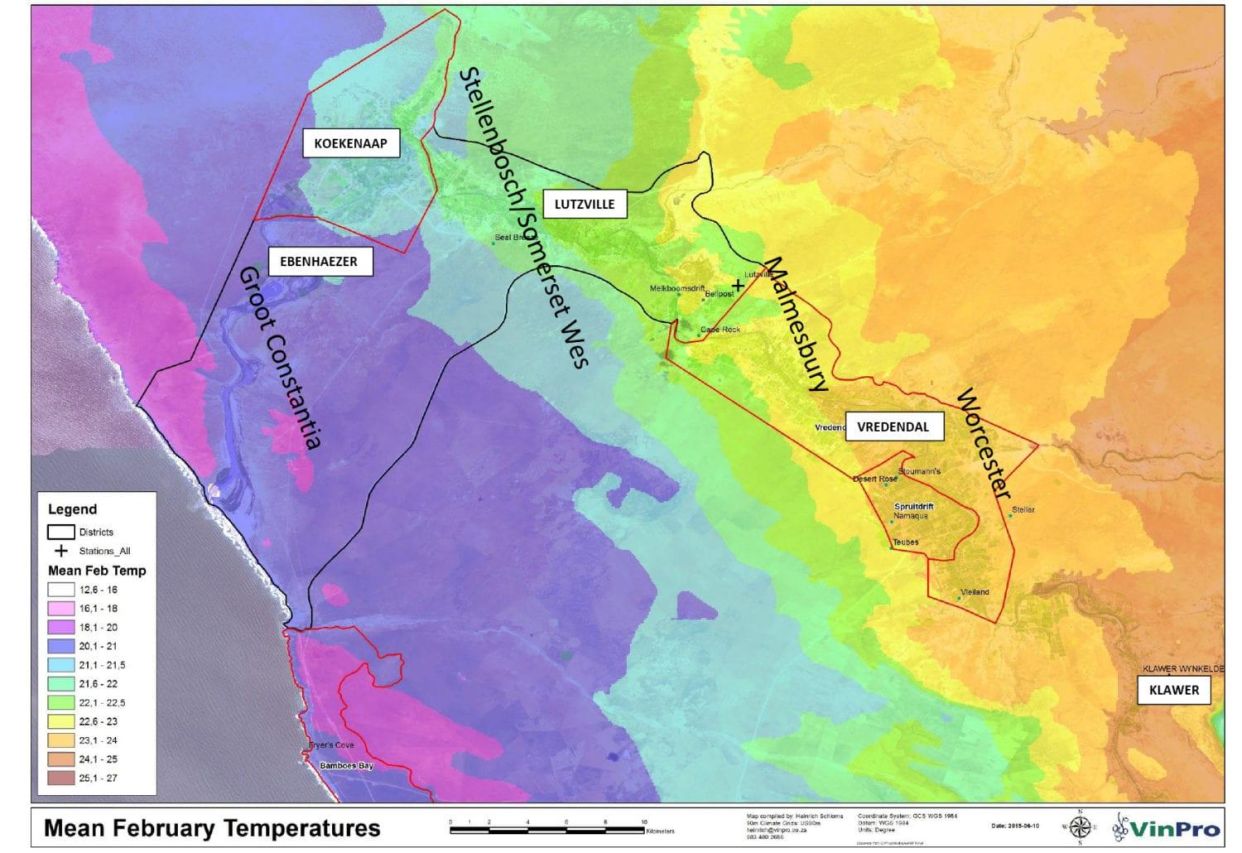
FIGURE 1. A temperature chart of the Olifants River region showing average February temperatures measured from 2002 to 2015. Long term February averages from ARC stations in other viticultural regions were used to illustrate the differences in the region.
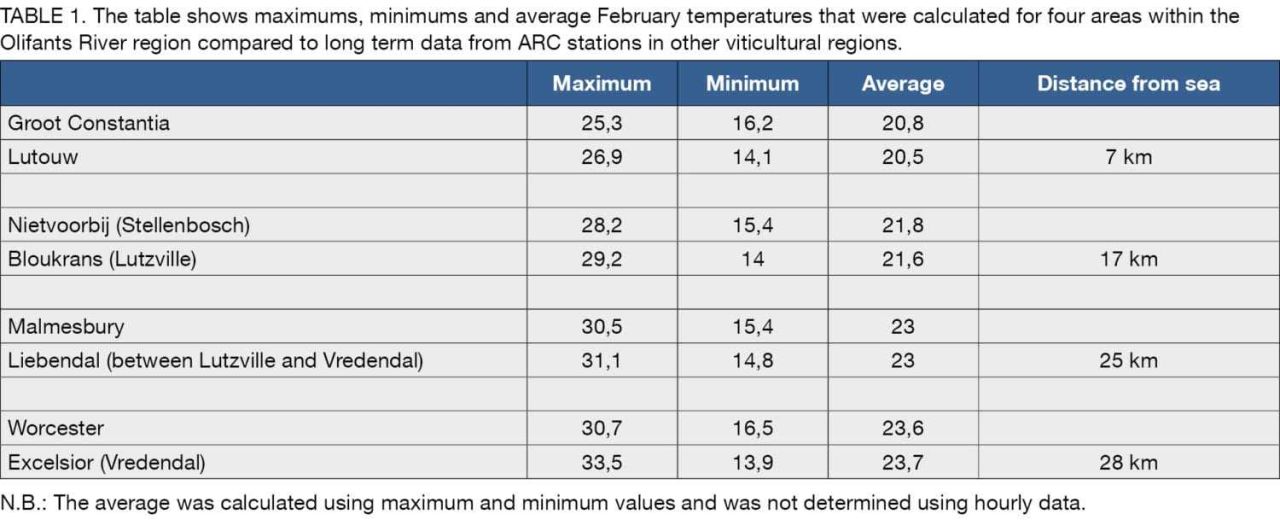
Unique characteristics Although the average February temperatures in the Olifants River region compare well with those of other regions, they do not tell the whole story. The average maximums and average minimums differ significantly (Table 1) and this is where the unique characteristics of the region stand out. Although the maximum temperatures are much higher than in the Boland regions, overnight chilling is drastic and the minimum temperatures quickly drop to about 14°C. This cannot be ignored and definitely impacts on ripening in the region.
Acknowledgements Klawer Cellar, Lutzville Vineyards and Namaqua Wines, as well as the West Coast Wine Route for funding the project. Jeff Joubert, Vinpro, for initiating the project and gathering the data. Heinrich Schloms, Vinpro, for compiling the temperature chart.

More from
Vineyard, cellar and production

Cellar hygiene
Maintaining a spotless wine cellar requires a comprehensive management plan, which includes structural design, equipment sanitation, environmental controls and routine microbial monitoring.
Making wine in Cape Town's Philadelphia ward
Havana Hills overlooks Table Mountain and the Atlantic Seaboard from its perch atop one of the region’s smallest wards, Philadelphia. Piet Kleinhans recently took over the reins as winemaker.
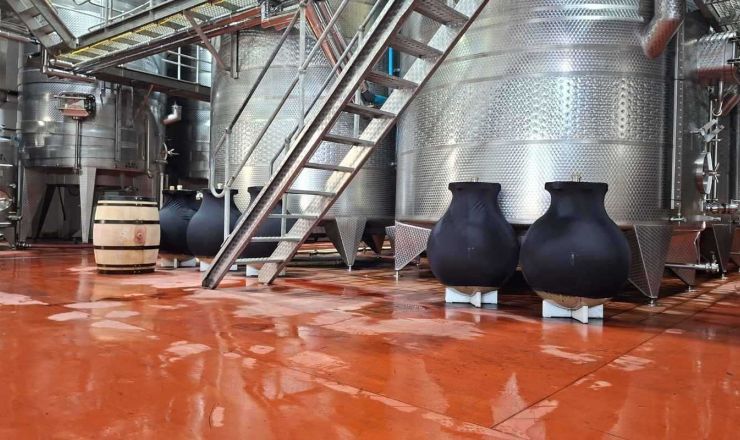
What's so special about wine globes?
Diemersdal places a strong focus on innovation, and there’s always something new up their sleeve. Wineglobes represent a new way of telling a story that’s centuries old.