
Underground irrigation at Alvi's Drift
· 7 min read
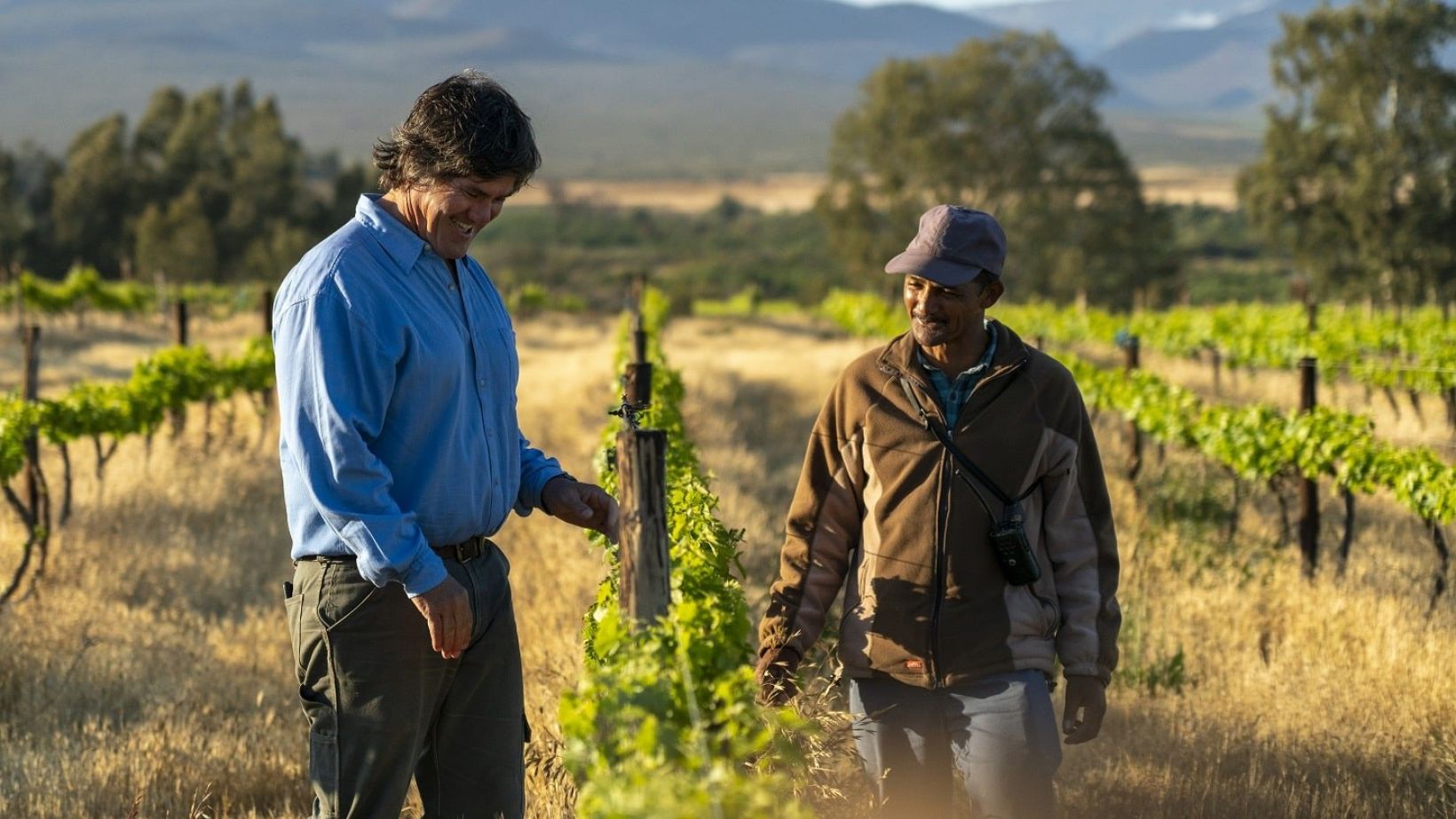
This article is not aimed at investigating and comparing underground drip irrigation systems. The main objective is rather to introduce the use of the NOVAP system to producers in the wine industry.
Introduction
The agricultural sector is increasingly under pressure to manage water more effectively and sustainably because of the sharp increase in water requirements for urban consumption. Add to this that global warming will cause drier and warmer conditions and less rain over the long term, resulting in even greater water scarcity. The wine industry likewise is increasingly under pressure to utilise water effectively, which has already led to many changes in how we irrigate. Most vineyards are currently irrigated with drip systems, mainly because it saves water. There is however still a need to use the available water even better and apply it more effectively. Underground drip systems have already been implemented on small scale, but the blockage of drippers remains a big problem and impediment to the large-scale application of these systems. The major obstacle is that blockages of drippers are discovered too late, when damage to vineyard blocks tend to have already reached an advanced stage.
Alvi’s Drift Wine Cellar
Alvi van der Merwe is the owner of the well-known and award-winning Alvi’s Drift Wine Cellar just outside Worcester in the Scherpenheuvel area. The average rainfall in this area is approximately 200 mm per year and most of the farms receive their irrigation water from the Kwaggaskloof Dam. Alvi realised that water would become ever scarcer and that he had to investigate and find ways to use his available water more effectively. In 2019 he decided, after extensive research, to plant 25 ha of vineyards and 5 ha of citrus to NOVAP’s underground irrigation system. Alvi soon discovered that he was able to cultivate more hectares of vineyards with the same amount of water at his disposal, and that the new irrigation system made him a more sustainable wine producer.
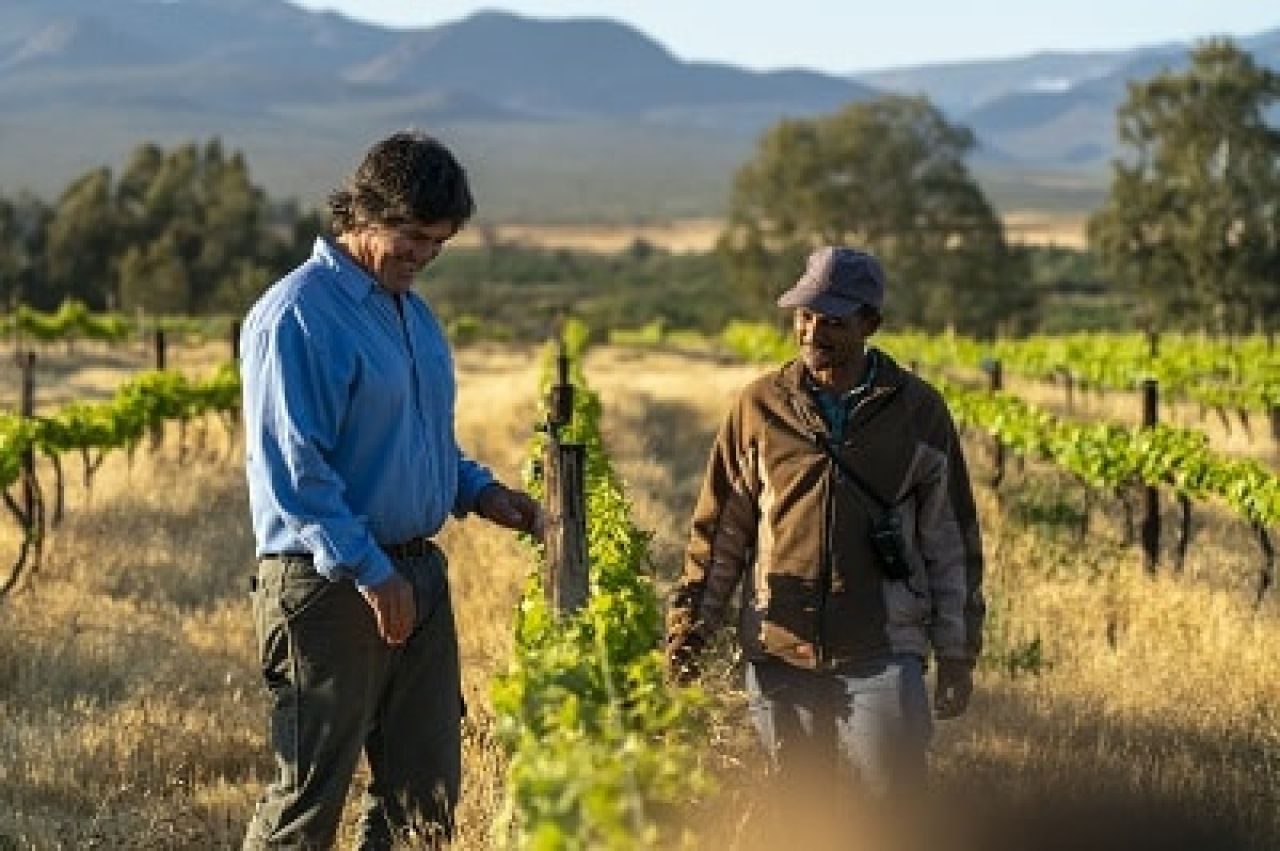
Vineyard information of the 2019 plantings on Alvi’s Drift
Cultivars: Chenin blanc/Ruggeri, Merlot/Paulsen, Chardonnay/8-7 and Pinot noir/Paulsen.
Year planted: 2019.
Spacing: 2.4 m x 1.2 m.
Irrigation: 4 L/hour NOVAP dripper/regulator (2.4 m x 1.2 m spacing).
NOVAP underground irrigation
The firm NOVAP’s name is derived from the concept of “No Evaporation”. The NOVAP sub-surface water diffuser facilitates the wetting of the deeper-lying root system of vines (and any other crop). As no irrigation water is exposed directly to the soil surface or atmosphere, water losses through evapotranspiration are dramatically reduced. NOVAP is the brainchild of Jan Nortjé, who is an innovator of note on various fronts. He realised that the evaporation of water with aboveground irrigation and the blockage of underground drippers are major problems, and focused his research on resolving this.
A look at the NOVAP system
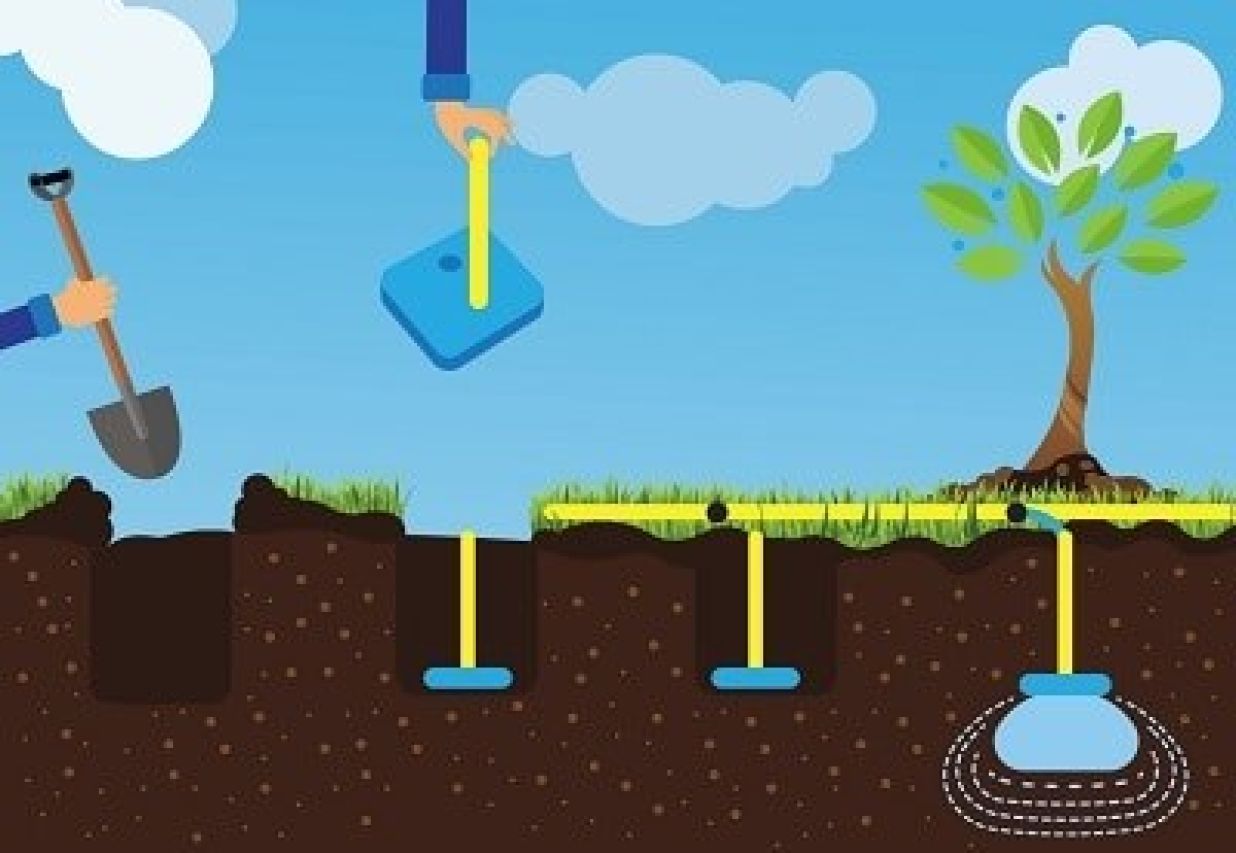
Simplified, the system consists of the following:
- Black main supply line pipe.
- Dripper/regulator (4 or 8 L/hour), fitted to the main supply line pipe (which is entirely above the soil surface).
- 6 mm microtube which connects the dripper/regulator and the NOVAP diffuser with each other.
- A NOVAP sub-surface diffuser which is filled with hydrophobic silica.
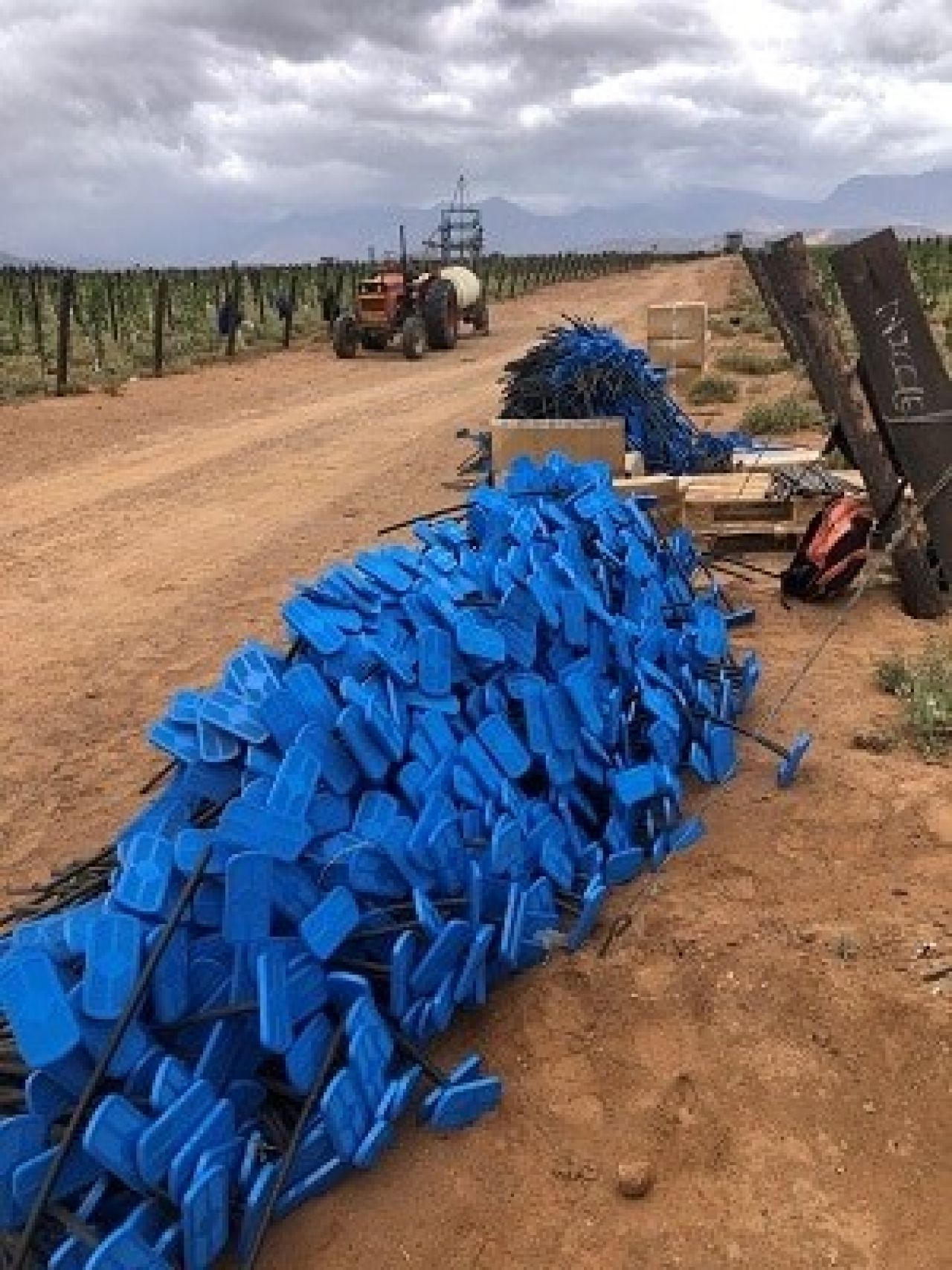
Installation of the system
- Dig a hole of 180 - 200 mm deep in the middle between vines (at Alvi’s Drift this is 600 mm from the vines).
- Place the NOVAP diffuser in the hole with the vertical pipe positioned upright with the top uncovered, and refill the hole with soil.
- Connect the dripper/regulator and diffuser using the microtube.
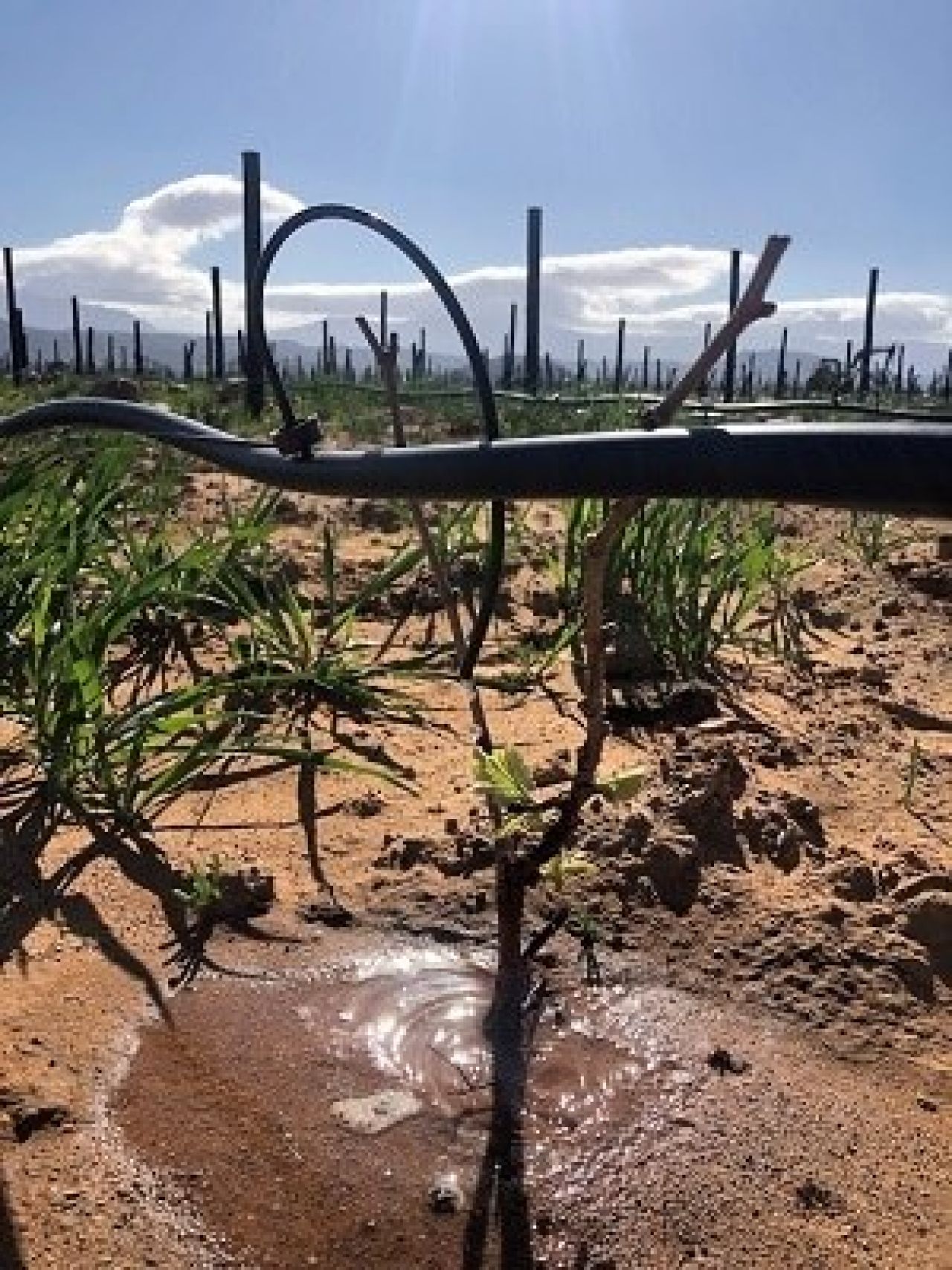
In the case of new plantings, the microtube should not be connected with the diffuser. Let the tube lie on the soil surface initially so that the water applied is readily available for the roots of the developing young vine. It is only connected once the vines’ shoot growth reaches the cordon wire.
Functioning of the system
- During irrigation the water flows in-line through the main supply line pipe to the drippers/regulators, and then downwards into the NOVAP diffuser.
- The internal design of the NOVAP system distributes the water evenly in the soil.
- The NOVAP diffuser starts with a water footprint of 75 x 150 mm.
- The so-called hydrated bulb of a NOVAP diffuser has a radius of up to 750 mm wide and 1 200 mm deep depending on the soil type.
- Capillary action can force the water to rise up to 150 mm above the NOVAP diffuser.
- There is no evaporation of water, as the upper 100 - 150 mm of the topsoil layer remains dry.
Advantages of NOVAP irrigation
- No water is lost due to evaporation.
- All irrigation water is directly available in the root zone of the vine.
- Water savings of up to 50% can be achieved.
- The weed stand is much lower (only through rain). Weed control costs are thus greatly reduced.
- Irrigation time is shortened and this brings about a saving in electricity costs.
- The humidity in vineyards is lowered. This increases pollination of the flowers and reduces fungal disease pressure.
- Fertilisation is applied directly in the root zone.
- Salinisation of soils is minimal.
- The so-called sub-surface hydrated bulb overlaps over time and this creates a lateral water zone with a relatively constant temperature which is very beneficial for the functioning of the plant (improving uptake of nutrients for example).
Disadvantages of NOVAP
- The cost of a NOVAP system is significantly higher than a regular drip irrigation system.
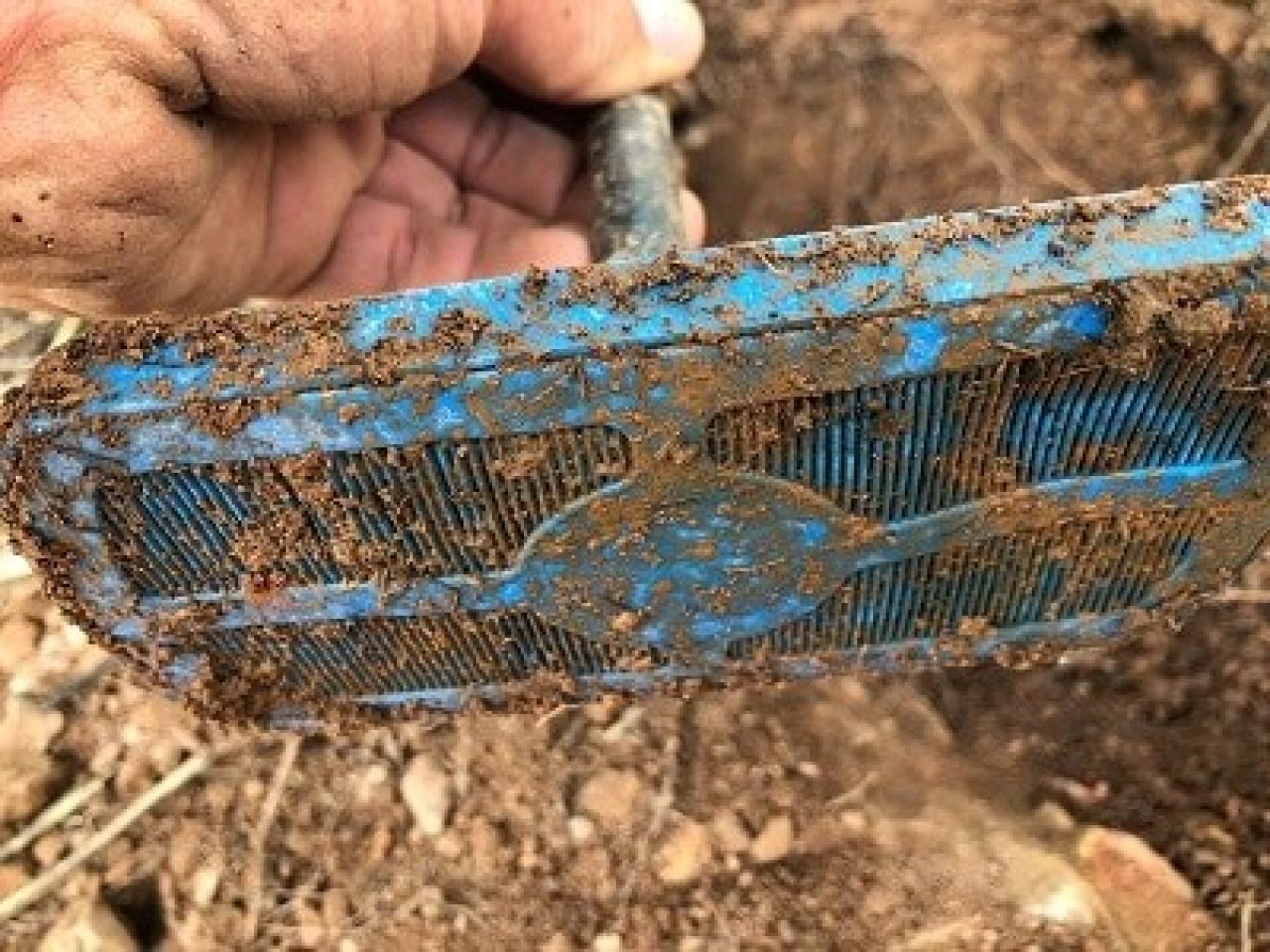
- The fear remains of blockages occurring and that the damage will be discovered too late. The design of the NOVAP system eliminates the risk for sub-surface blockages. The only possible blockage could occur above the soil surface at the dripper/regulator. This can be caused by impurities in the water (lack of filter maintenance and so forth). Because the dripper is only used as a regulator, and not as a dripper, blockages will not occur due to calcification, as it is a closed system where no evaporation takes place. The chances of root blockages in the diffuser are extremely small, because the hydrophobic silica inside the NOVAP system pushes the water away and thus keeps it dry. If peroxide treatment as part of a normal maintenance routine is adhered to, it is very unlikely that a total blockage will occur.
The road ahead for NOVAP in the wine industry
The installation of about 30 ha on Alvi’s Drift in 2019 is the largest single project of underground drip irrigation that NOVAP has undertaken to date. According to NOVAP it is more common for a producer to first start with the installation of a block or two, familiarise themselves with the management thereof, and then gradually convert to a larger scale system. According to Alvi, the substantial water saving was his main consideration and he can now irrigate twice as many vineyards with the same amount of water. Surprisingly, the quality of the Chenin blanc was so high that the first vintage was bottled under his flagship range. Furthermore, the vigour obtained in the vineyards planted to NOVAP is exceptionally good for third-leaf vines. It appears that NOVAP underground irrigation is here to stay in vineyards and the fruit industry. The benefits and quality that can be achieved with this system, outweigh the initial higher input costs and water is also applied more effectively.
References
- July 2018. New NOVAP water saving technology. SA Fruit Journal.
- November 2019. Innovative irrigation system to curb excessive watering. AgriPulse Magazine, Mpumalanga.
- April 2019. Deep root irrigation. Farmer’s Weekly.
- 2013 - 2017. NOVAP trial and research.
- August 2022. Vinpro field day, Alvi’s Drift.
– For more information, contact Pierre Snyman at [email protected].
Click here to get your copy of WineLand Magazine and here to subscribe to our newsletter.

More from
Vineyard, cellar and production
How to understand regenerative farming
Regenerative farming is becoming part of the language of modern viticulture, but what does it actually look like in a vineyard?
JC Smith praat oor wynmaak in die Oos-Vrystaat
JC Smith is ’n derdegeslag-wynmaker. Sy oupa Dassie en pa Flip was albei wynmakers, en hy het tussen wingerde en wynkelders grootgeword. Hy is tans die wynmaker by Blydschap in die Oos-Vrystaat.
Cellar hygiene
Maintaining a spotless wine cellar requires a comprehensive management plan, which includes structural design, equipment sanitation, environmental controls and routine microbial monitoring.