
What's so special about wine globes?
Diemersdal places a strong focus on innovation, and there’s always something new up their sleeve. Wineglobes represent a new way of telling a story that’s centuries old.

· 4 min read
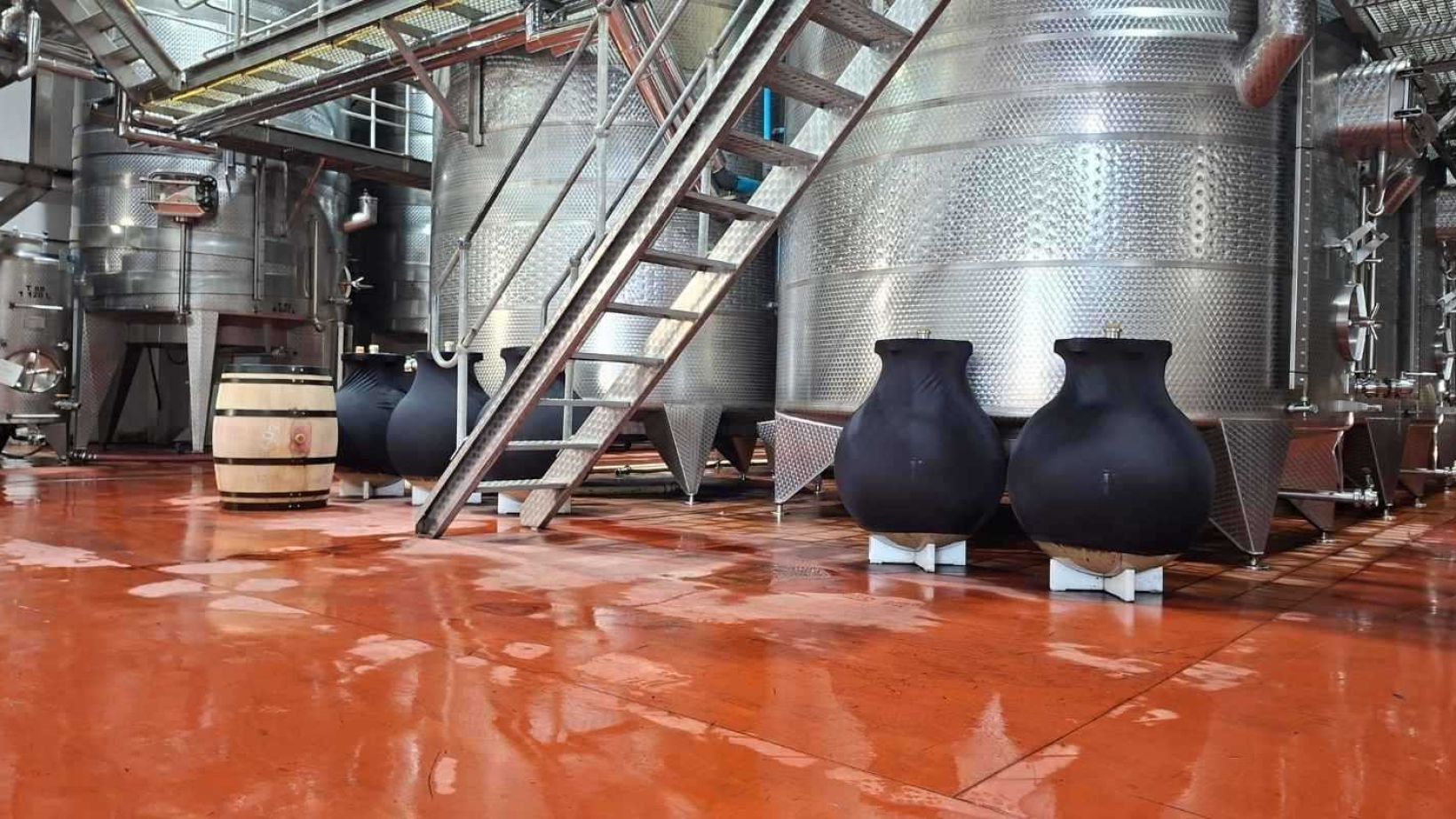
Among the rolling hills of Durbanville, tradition spanning six generations has met the cutting edge of viticultural technology. Last year Diemersdal Estate – a name synonymous with premium Sauvignon Blanc – unveiled The Globe Sauvignon Blanc 2023, the first South African wine to be crafted entirely within enigmatic spherical glass containers called Wineglobes. This year’s release has already exceeded expectations.
Proprietor and winemaker Thys Louw first encountered these globes on a trip to France, where he encountered top-tier white wine producers – including his favourite, Dagueneau in Pouille-Fumé – using these unusual vessels to achieve a purity of expression that traditional materials simply could not match. The result is a Sauvignon Blanc that Thys describes as providing “a new dimension of clarity and linear focus”.
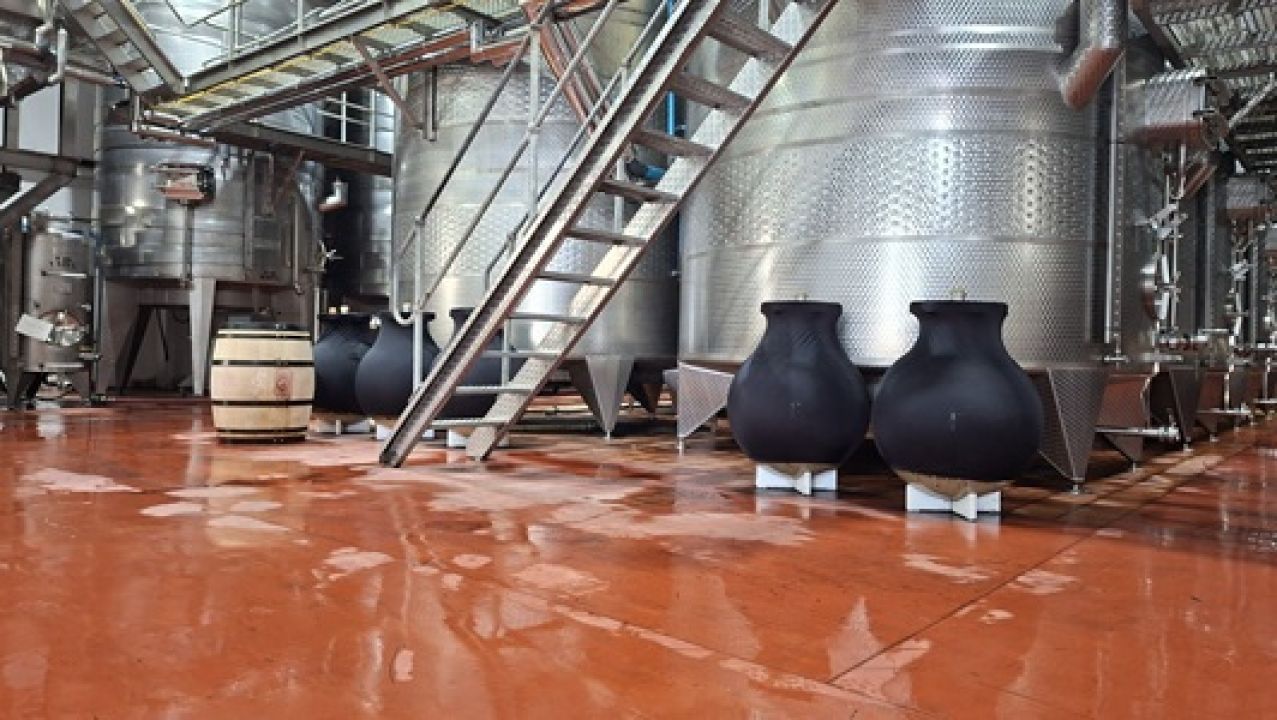
Here are five key insights into why glass globes are becoming the “magical” new tool for visionary winemakers.
Guaranteed neutrality
The primary motivation behind using glass is its absolute neutrality, Thys says. Unlike oak barrels, which impart tannins and external flavours such as vanilla or spice to the wine, glass is completely inert. Thys argues that while wood is a classic choice, it’s ultimately not “from the vineyard”, while glass allows the juice to ferment and mature in pristine form.
He maintains glass even has the edge over other inert materials, such as stainless steel. While steel may be susceptible to static electricity, glass provides a totally closed, non-porous environment that allows the variety and terroir to express its “fingerprint” – with zero outside interference.
Peerless precision
The unique shape of the Wineglobe isn’t just for aesthetics. The spherical form changes how the wine interacts with its lees (the dead yeast cells that settle after fermentation). At Diemersdal, the Sauvignon Blanc is fermented in the globes for 10 days and then left to mature on the lees for a full year.
Winemaker Juandré Bruwer explains that they stir the lees only once a month, allowing it to be held naturally in suspension due to the vessel’s shape. This provides a subtle influence of texture and structure without overworking the wine. Because the globe is non-porous, there is no micro-oxidation – a natural process in terracotta, clay, concrete, or wood – resulting in a cleaner and more tightly focused final product.
Unadulterated purity
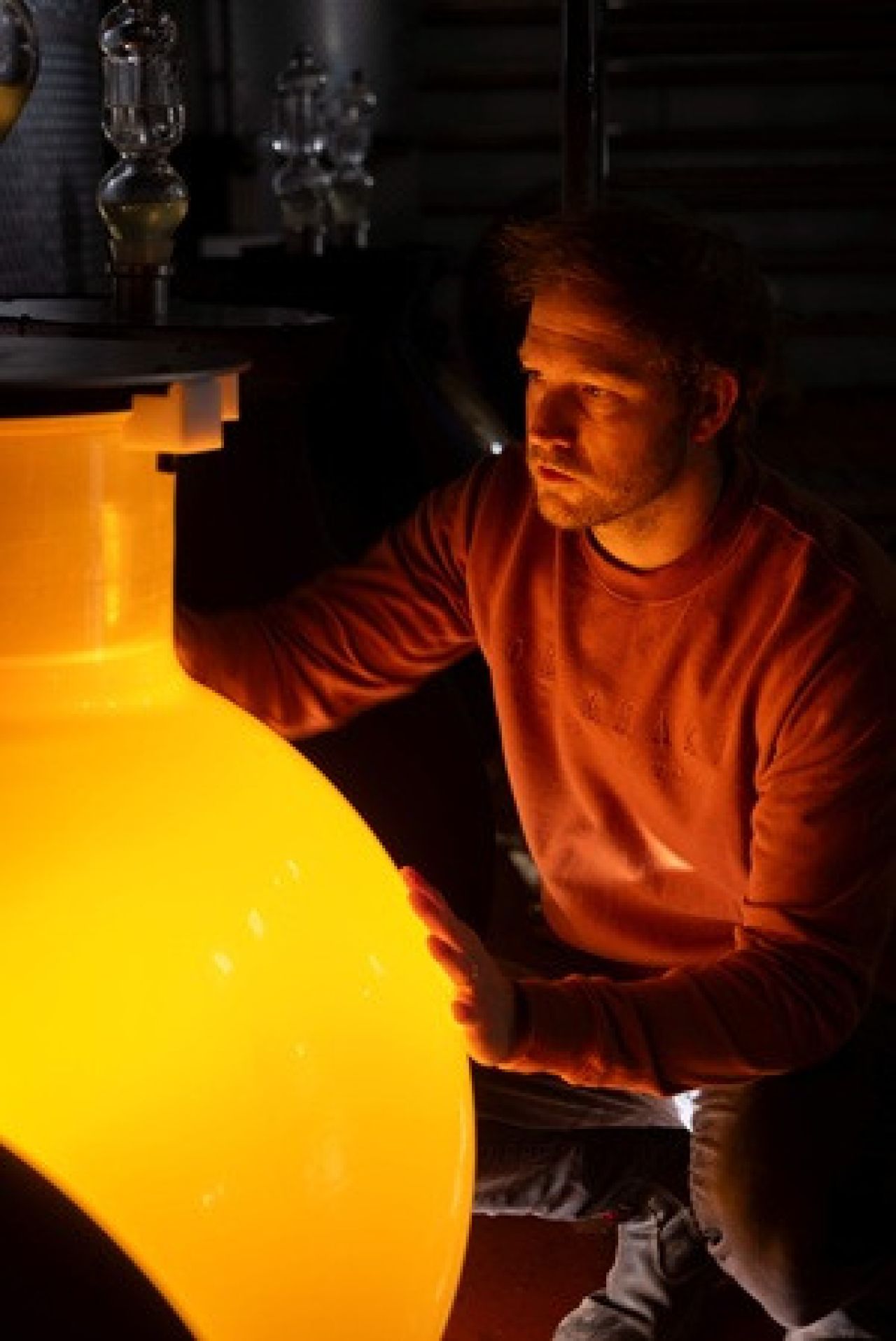
A fascinating insight from the Diemersdal cellar is how the glass environment changes the chemical requirements of the wine. Because the Wineglobes create an anaerobic (oxygen-free) environment without the micro-fissures found in clay or wood, the risk of unwanted oxidation is lowered.
Thys points out that if a winemaker avoids using sulphur at the very beginning of the process, the wine in the globe never becomes “reductive” (a state that can cause off-smells). This allows for a more natural winemaking approach, where the wine can be bottled with minimal intervention, capturing the minerals and flavours of their 31-year-old dryland vines, whose roots reach six metres deep into the Durbanville soil.
Hidden in plain sight
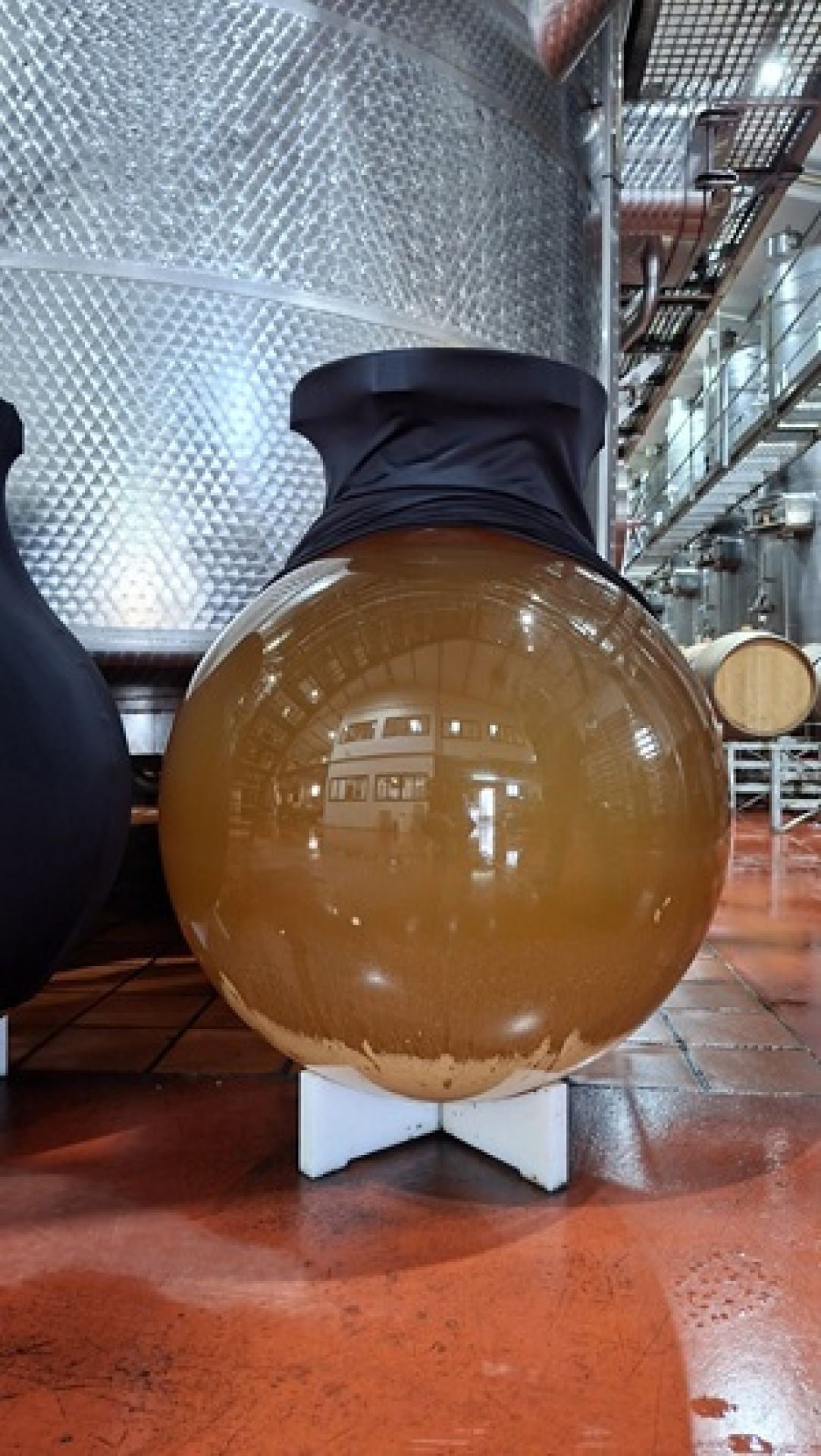
While the Wineglobes are made of thick, high-quality glass, their transparency presents a unique challenge: light. To prevent “light strike” or UV damage, Diemersdal covers each globe with a protective black shroud (very technically known as a “sock”). This ensures the wine matures in total darkness, despite being housed in a clear vessel – while also teasing visitors with a moment of revelation, when the veil is pulled back for a provocative “peek under the hood”.
From a sustainability and investment perspective, glass globes offer long-term benefits. While expensive French oak barrels must be replaced roughly every five years as they lose their flavour and structural integrity, a glass globe never needs to be replaced (provided it isn’t broken). This makes them a permanent, albeit delicate, fixture of the cellar’s evolution.
Ahead of the curve
While Diemersdal was the pioneer in South Africa with De Wetshof in lockstep, the use of Wineglobes is part of a burgeoning international shift. Originally released commercially in Bordeaux in 2020, these vessels are now being snatched up by prestigious estates in Burgundy and even red wine producers in places like Moldova.
The market has also responded. Diemersdal initially produced only 1000 bottles of the 2023 vintage, retailing at R750 per bottle, and interest has already expanded globally, with orders coming from markets as far afield as Japan. The estate plans to expand its glass programme, exploring larger 400-litre vessels and potentially different cultivars in the future. Watch this space – or should we say, crystal ball.
As Thys says, “Glass is truly something magical… it 100% fits our style of wines.”

More from
Vineyard, cellar and production
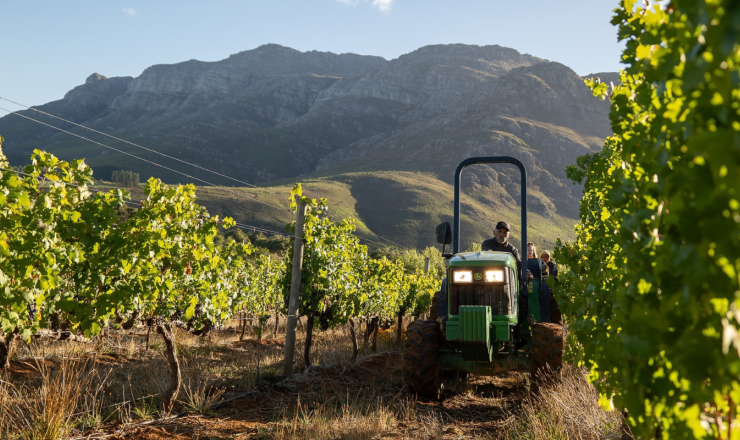
How to understand regenerative farming
Regenerative farming is becoming part of the language of modern viticulture, but what does it actually look like in a vineyard?
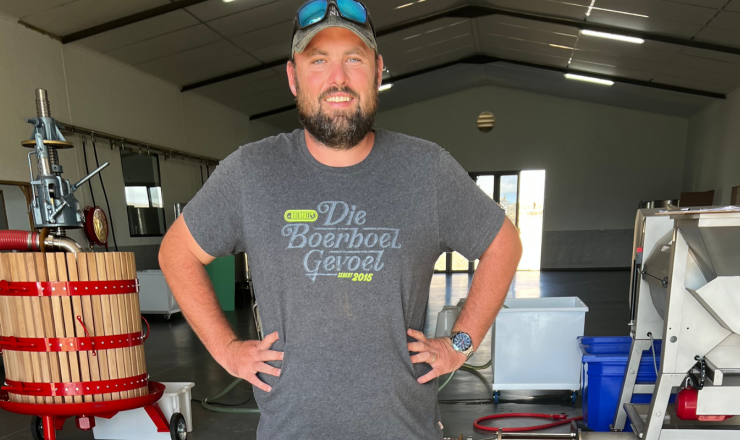
JC Smith praat oor wynmaak in die Oos-Vrystaat
JC Smith is ’n derdegeslag-wynmaker. Sy oupa Dassie en pa Flip was albei wynmakers, en hy het tussen wingerde en wynkelders grootgeword. Hy is tans die wynmaker by Blydschap in die Oos-Vrystaat.
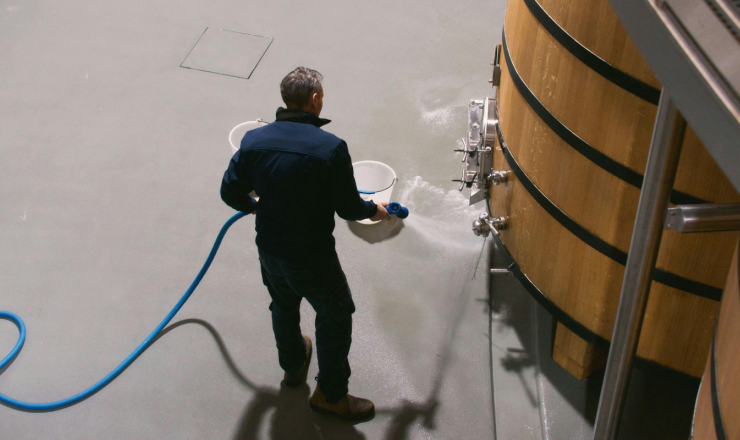
Cellar hygiene
Maintaining a spotless wine cellar requires a comprehensive management plan, which includes structural design, equipment sanitation, environmental controls and routine microbial monitoring.