
Another year, another harvest
It is no secret that the harvest season brings challenges like working long hours and making a lot of decisions under pressure, causing fatigue and making it difficult to endure for the whole season. This article offers advice from the industry on how to cope with the workload and keep tempers…
· 6 min read
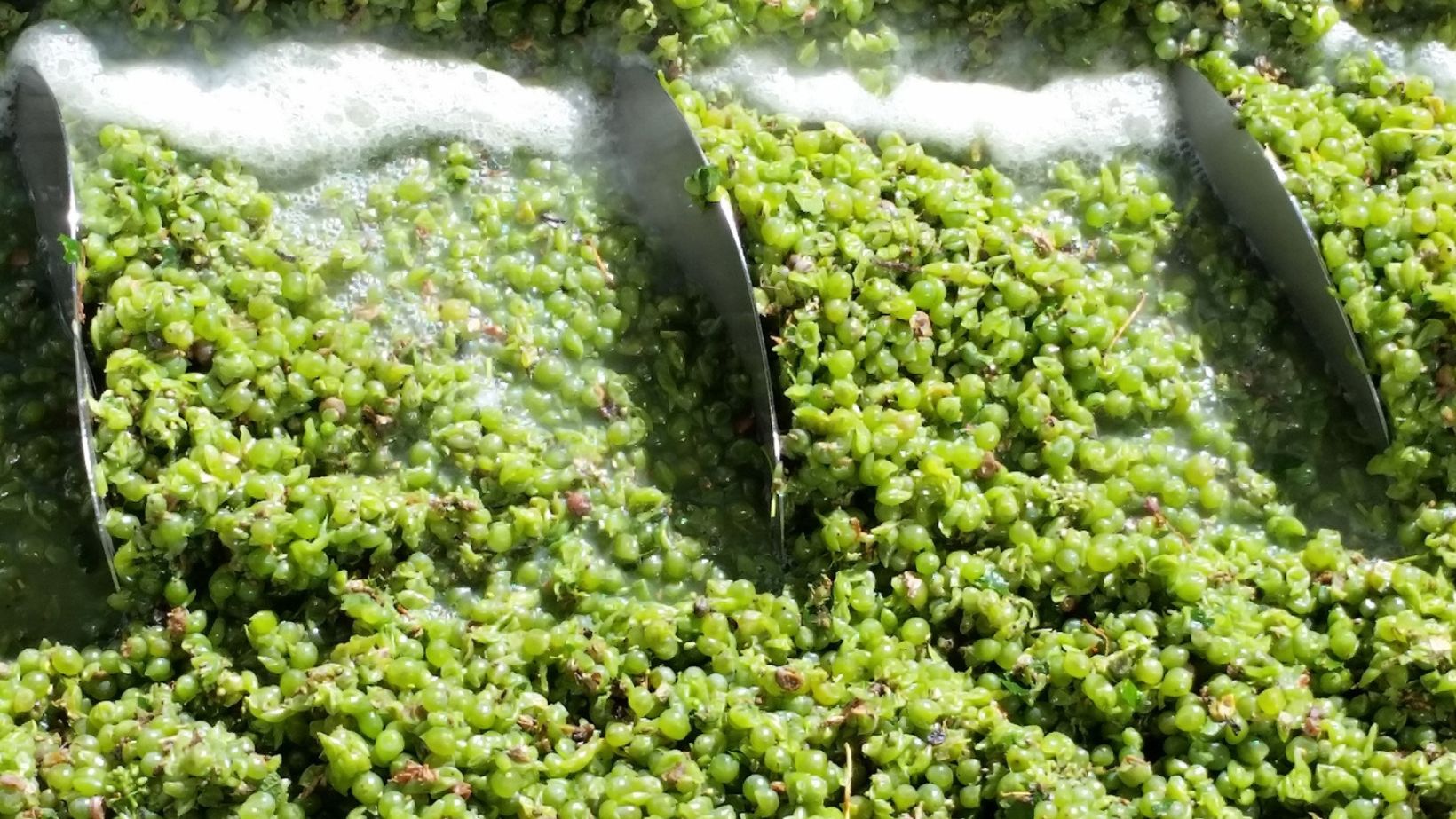
It’s hard to believe we find ourselves at the start of a new year again. The saying goes: “Time flies when you are having a good time”. Those who work in the wine industry are very aware of the fact that we work in a seasonal environment. Every year, there is only one opportunity to take in grapes, and that time is now! It is no secret that the season brings challenges like working long hours and making a lot of decisions under pressure, causing fatigue and making it difficult to endure for the whole season. This article offers advice from the industry on how to cope with the workload and keep tempers calm throughout.
Training prior to the season is extremely important
- Schedule a specific day or two for the training of all staff, experienced and new.
- Make the training as practical as possible. Classroom-style may be required in some instances, but tend to become boring and staff can quickly lose interest and concentration. Use practical examples wherever possible and try to make it lively and engaging to ensure that people actually pay attention.
- Always place new staff with old hands who have ample experience. Then give them enough time to prove themselves in practice before taking over a task independently.
- Do not underestimate that even staff who have harvested for many years, performed certain harvest-specific tasks 9 to 10 months ago and therefore may need some time to perform the task correctly and fully. This is where standard operating procedures are so valuable, provided they are created with as much detail as possible and even photos. It always helps to refresh the staff members’ memories.
- Make sure that all necessary subjects are covered, including:
- Health and safety;
- Confined spaces;
- Working at heights;
- Hygiene in the workplace and proper cleaning procedures;
- How documentation should be filled in – especially where batch numbers for food safety are concerned;
- Safe handling of chemicals;
- What personal protective equipment (PPE) is required for the job, and how to handle it correctly;
- And much more.
- Instead of merely ticking off an attendance list at the end of training, it could be hugely beneficial to meet individually with each team member and make sure that they are competent for all the tasks they have been trained on and can perform them with confidence. This can include a small written test, as well as a practical demonstration and oral evaluation of the task they are to perform. If these tests are passed, it can be formally stated on their record. Otherwise, if they are still not competent, they should receive the necessary additional training, correct mistakes and be re-evaluated before carrying on with tasks. The advantages of this approach are endless and can benefit everyone in the team on many levels.
How to get the most value from harvest equipment
We have all experienced the frustration of machinery that breaks. A press bag gets punctured or a screw conveyor’s blades bend from overloading, damaging the electric motor. Comprehensive and regular training on machinery can limit breakages to a minimum.
Keep the following points in mind:
- Servicing is important, both during and after harvest. The saying ‘prevention is better than cure’, is true for cellar equipment. Also make sure that spare parts are kept on hand for some of the items that must be replaced regularly. The spike beater wheel of the destemmer is an example of a part that requires regular replacement.
- Make the team aware of typical mistakes that can occur and what to pay particular attention to.
- Know the maximum operational workload of your equipment, for example:
- Do not allow wine pumps to constantly run at their maximum speed.
- Similarly, be aware of the maximum pressure at which a press bag can be inflated when not fully loaded.
- Do not overload screw conveyors and make sure that this equipment is switched on in the right sequence to prevent a conveyor being fed by an incorrect previous line.
- Apply strict oversight to prevent overloading of grape loads that cause excessive pressure on lifting equipment.
- Report any irregularities as soon as detected. Trust your instincts and don’t underestimate how attuned your hearing is to pick up faulty-sounding equipment.
- Implement proper cleaning actions after use. Machinery that is sticky and grime-covered cannot operate optimally, causing unnecessary exertion. It is also difficult to see where oil or wine might be leaking if equipment is filthy.
- Review your suppliers. Consider the quality of their work versus the price, as well as their availability during the busy season. The best suppliers are usually the busiest ones and take the longest to attend to repair callouts. Therefore, consider whether once-off or repeated repair actions are required. Also consult other cellars for their feedback on specific suppliers.
- Ensure that the team gets enough rest per day or per week. The more tired people get, the bigger the risk that mistakes creep in like operating machinery incorrectly.
Keep morale high throughout harvest
A happy team will always function better than an unhappy one. There are various steps that can be taken to keep the morale of a team high and keep the endurance going until the last day of the season.
- Make sure that everyone knows each other’s names and a bit of background. This improves the team’s ability to work together and understand their colleagues. Do this get-to-know-each-other exercise as early as possible in the season, in an informal and fun way like a game.
- A uniform can also help to bring a team together. This can include harvest T-shirts, a hat or even socks.
- Try to have regular meals together as a team. People tend to forge connections around food, especially social events like a braai. Ensure that the food is nutritious and limit takeaways to an occasional treat.
- Take lots of photos (naturally with permission and the POPI Act in mind). Share the photos and stories of positive events with the team.
- Avoid gossiping and discussing mistakes behind people’s backs. It is important to learn from each other’s mistakes, but do this in a constructive way with all the facts and future preventative measures on the table.
- Share milestones like how far the harvest is progressing. It is motivating to see the finish line, especially when the season gets long.
- Try to make the team aware of the end goal as often as possible. This can be done by tasting wines from previous vintages to show the desired result. Also regularly taste the current vintage wines with the team. It gives them a better idea of how their work is progressing and paying off.
- Play lively music in the cellar and give everyone a chance to share their playlist of songs.
The energy of harvest is something that cannot be easily explained to industry outsiders. Use all the experience built up within your team over previous seasons to rally together and find ways to make the days shorter and keep the spirits up.
For more information, contact Pieter Badenhorst at [email protected].
Click here to get your copy of WineLand Magazine.

More from
Vineyard, cellar and production
How to understand regenerative farming
Regenerative farming is becoming part of the language of modern viticulture, but what does it actually look like in a vineyard?
JC Smith praat oor wynmaak in die Oos-Vrystaat
JC Smith is ’n derdegeslag-wynmaker. Sy oupa Dassie en pa Flip was albei wynmakers, en hy het tussen wingerde en wynkelders grootgeword. Hy is tans die wynmaker by Blydschap in die Oos-Vrystaat.
Cellar hygiene
Maintaining a spotless wine cellar requires a comprehensive management plan, which includes structural design, equipment sanitation, environmental controls and routine microbial monitoring.