
Benefits of ergonomics
· 4 min read
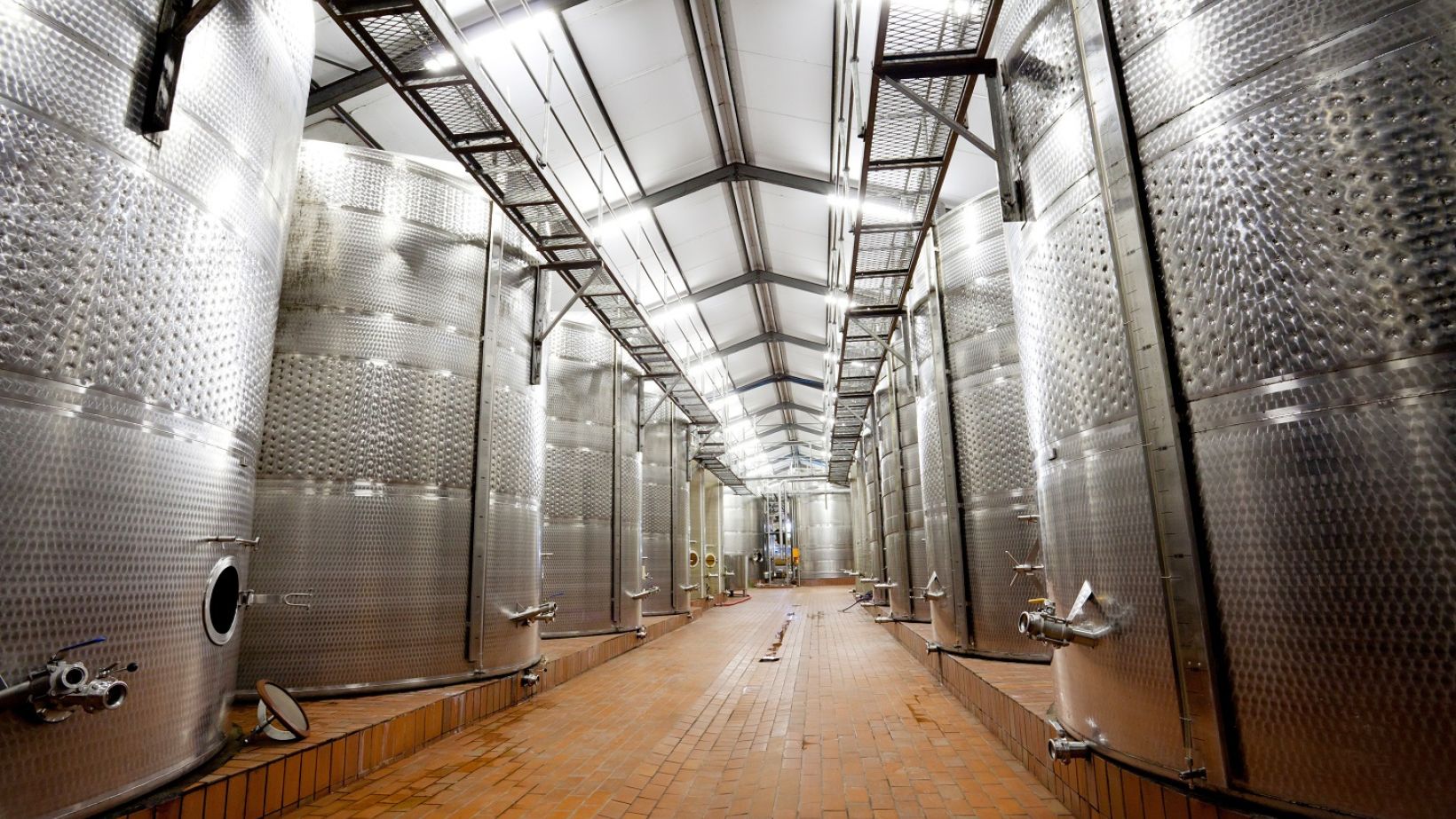
Ergonomics is the study and the scientific process of designing physical work environments, objects and procedures to best fit the user. The concept of working smarter, not harder, is central to this approach. In both the wine cellar and the vineyard, ergonomics involves designing spaces and workflows to minimise physical strain, fatigue and the risk of injuries for those who work in these areas.
This includes optimising storage heights to avoid overstretching; making sure there is adequate space for movement and access to equipment and machinery; maintaining proper lighting; and implementing task scheduling. These actions help tremendously to reduce repeated movements and excessive effort. Ergonomic design also includes a safe environment with good ventilation, lighting and the correct temperature and humidity control for all personnel.
Space and storage design
Shelf height
Place chemicals, cleaning products and any other byproducts at a comfortable height, where the need to stretch or bend to reach items is limited to a minimum.
Example:
Place heavier items on lower shelves, while light items can be stored higher. When picking up heavy items, always bend with your knees and not with your back. It is always advisable to ask for help when lifting heavy objects. Swallow your pride and protect your body!
Cellar layout
Ensure that the cellar is well organised with enough open space for comfortable movement and access to wine and equipment. Avoid having areas where personnel may find themselves in an uncomfortable body posture, having to exert unnecessary effort.
Example:
If possible, leave enough space around tanks to enable a person to move freely around the tank. This helps to clean tanks, floors and walls with greater ease.
Lighting
Provide sufficient, evenly spread lighting that minimises shadows and reflections. This helps to reduce visual fatigue and prevent unnecessary mistakes. Lighting technology is much better today than it was 10 or even five years ago. New light bulbs are more effective and use less electricity. With correct planning, lights can be strategically placed to ensure that there are no dark areas in the cellar. Also, keep one or two mobile lights close at hand for use in case of an emergency.
Workflow and task management
Divide work activities strategically to avoid prolonged periods of repetitive movements, which can lead to metabolic stress and fatigue. Alternation between intense physical labour and more physically undemanding tasks is important.
Equipment design
The use of ergonomic equipment and furniture ensures proper posture and reduces muscle tension.
Example:
Ensure that tables and surfaces used by personnel to work on are at the correct height. Use high-quality wheels (that are properly maintained) for equipment that is moved around regularly, like pumps and mobile carts or containers.
Workflow optimation
Design a streamlined workflow that allows for the efficient execution of tasks, connecting different actions and devices in a logical manner to limit human mistakes and increase productivity.
Example:
Store products close to the area where needed. If this is not possible, at least ensure that there is a trolley on hand to transport the required items to where they are used. An even better option is to use forklifts for heavy goods where possible.
Environmental factors
Ventilation and air quality
- Implement proper ventilation to ensure good air circulation, and monitor for harmful gases, like CO2 and SO2. This also applies to instances where personnel work with fine powder, like certain filter powders. It is critically important that personnel wear the necessary masks to prevent inhaling harmful substances.
- Opening doors to improve ventilation of fresh air in the cellar is recommended. Alternatively, fans can also be used to create extra air movement.
Temperature
- Be aware of the temperature at which workers have to perform their tasks. It may be necessary to provide extra warm clothes in consistently extremely cold areas. The same applies to exceptionally hot areas. An umbrella for the sun or water misters for hot areas can make conditions more tolerable for personnel.
- Awnings for loading trucks are obviously ideal, but if this is not an option, invest in good quality protective clothing, like umbrellas, rain jackets and water shoes.
Noise reduction
- Reduce noise exposure to machinery and other possible sources to prevent hearing damage and other health issues. Identify areas where hearing protection is required, and make sure personnel follow the rules.
- It is preferable to isolate noisy equipment, like centrifuges, in a room with soundproof walls.
Summary
Consult professional service providers that can be used to quantify most of the abovementioned aspects with accurate monitors, for example, noise pollution or light intensity. In most cases, cellar personnel are also able to point out areas where improvements can be made. Therefore, regularly designate a specific time to meet with the team and discuss tasks and procedures, and to identify areas where improvements are required.
For more information, contact Pieter Badenhorst at [email protected].
Click here to get your copy of WineLand Magazine.

More from
Vineyard, cellar and production

How to understand regenerative farming
Regenerative farming is becoming part of the language of modern viticulture, but what does it actually look like in a vineyard?
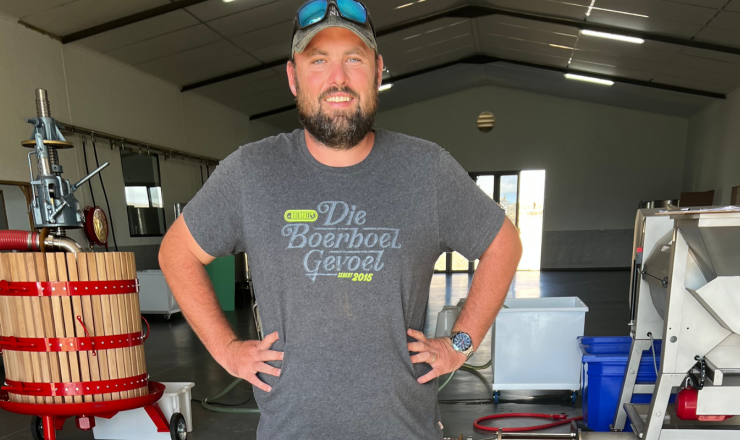
JC Smith praat oor wynmaak in die Oos-Vrystaat
JC Smith is ’n derdegeslag-wynmaker. Sy oupa Dassie en pa Flip was albei wynmakers, en hy het tussen wingerde en wynkelders grootgeword. Hy is tans die wynmaker by Blydschap in die Oos-Vrystaat.
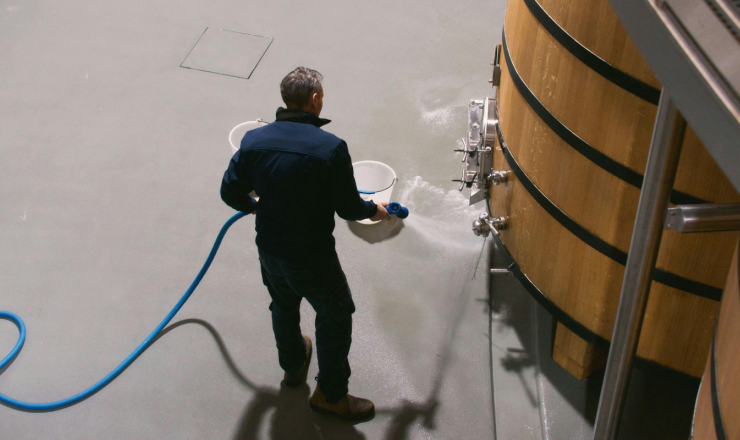
Cellar hygiene
Maintaining a spotless wine cellar requires a comprehensive management plan, which includes structural design, equipment sanitation, environmental controls and routine microbial monitoring.