
Checklists
· 5 min read

In previous articles, I referred to checklists that have to be completed for certain records. A question that always arises is: “Who checks that an action actually gets done?” Think about the classic cleaning list on the back of public bathroom doors. How many times do you see incomplete actions on such lists? It can be quite alarming! It might sound strange, but does your cellar have a list of all the lists to be completed?
This ‘master list’ should include the following:
- Who exactly is responsible for completing the specific checklist?
Using the example of temperature control in the barrel room – if there is a list controlling this, let the person responsible write down the temperature at the time of checking, in addition to their signature. This will confirm that the system is active.
- Who must check that the list has been completed correctly?
At the end of the week, supervisors can assume the responsibility to take in the form, check that it has been fully completed and sign it off. At the end of the month, top management can sign off on the four weeks’ forms.
- Where should it be stored?
It can be stored in a specific file kept in a designated office.
- For how many years should it be stored?
Quality control systems like HACCP and IFS usually have strict requirements regarding the duration for keeping food safety records. The barrel room temperature control list is not really integral to food safety, and therefore, it should not be necessary to keep a record of it for longer than a year. What might be important, though, is to review the data of the last year and identify any possible trends in terms of temperature fluctuations, e.g. winter versus summer months, or any other similar trends.
Impact of checklists
A clear description/directive at the top of the checklist is strongly recommended, as well as a statement explaining the impact or consequences likely to occur should the form not be completed as instructed.
As an example, look at this barrel room temperature control form. A statement like the one below can be included at the top of the form in bold red font for prominence:
This form was created to ensure that the temperature in our barrel rooms always remains constant and within specifications (16 - 18°C). If the temperature is not controlled, it will lead to a drastic decline in wine quality and consequently also result in financial losses.
Checklist training
Forms should add value and not only serve as window dressing. It is usually created to bring about positive change, in addition to pointing out and closing possible gaps in systems.
Therefore, make 100% sure that the persons responsible for completing the forms know exactly what is expected from them and how to fill in the form correctly. This will ensure that all the actions emanating from the form can be followed up correctly. If management then follows up on the checklists and ensures that gaps identified are properly addressed, it will instil confidence in the persons tasked with completing the lists. They are assured that the process in its entirety adds value, and this inspires them to keep completing the forms and managing the process as thoroughly as possible. This mutual following-up creates a system that will continue to add significant value and contribute to successful cellar processes over the long term.
Practical layout and placement of checklists
Pay attention to the layout of your checklists. There should be enough space in the lines of the lists to write down what is expected in the necessary detail. The person filling in the list should not have to write so small that it is barely legible, or write across lines just to get the full message in. Make sure that there are enough columns and rows, and that the headings make sense. The options and permutations are endless, and every cellar is unique; just make sure that your list is laid out as practically as possible.
Well-considered placement of the checklists is also important. It might be worthwhile to consider whether it is even necessary to put the checklist up on a wall in the work areas. Perhaps it should be stored in a file in an office instead, to be retrieved by the responsible person from the office when needed and then returned again after it is completed.
Forms put up on walls tend to get dirty and wet or fall off when the Prestik glue gets too wet or dries out. Consider if there are better ways to keep these forms safe and tidy as long as they are needed. Each cellar is unique, so make sure you create a system that works for you and adhere to it diligently.
Regulatory requirements
Food safety systems usually expect that checklists be monitored with some form of identification. Thus, employ an easily understandable system to give every form in the cellar a unique identification number. These numbers can obviously also be entered on the master list.
Each list should also have a revision number, indicating when a new version of the list is created, as well as the date on which the list was last updated.
The above-mentioned revision dates naturally imply that you should revise the checklists at least once every year and monitor the effectiveness of these forms. Determine whether or not the checklists had the impact originally envisioned.
Remember, just because certain actions take place with routine ease and everything works well, it does not mean these lists are unnecessary. In fact, maintaining checklists and a master list effectively will prevent the progress achieved from deteriorating and mistakes identified from occurring again.
For more information, contact Pieter Badenhorst at [email protected].
Click here to get your copy of WineLand Magazine.

More from
Vineyard, cellar and production
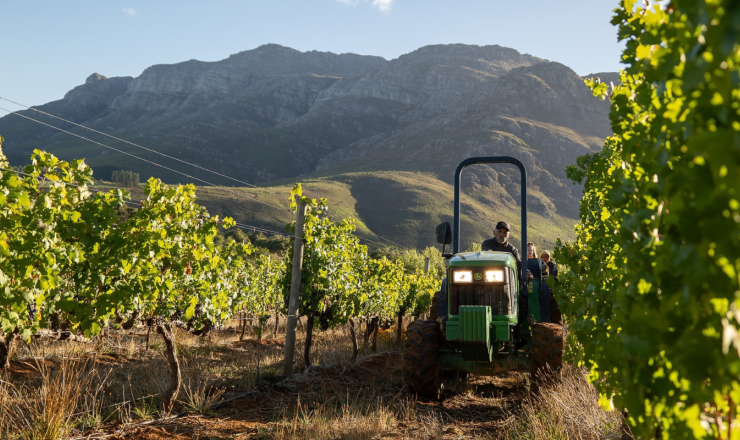
How to understand regenerative farming
Regenerative farming is becoming part of the language of modern viticulture, but what does it actually look like in a vineyard?
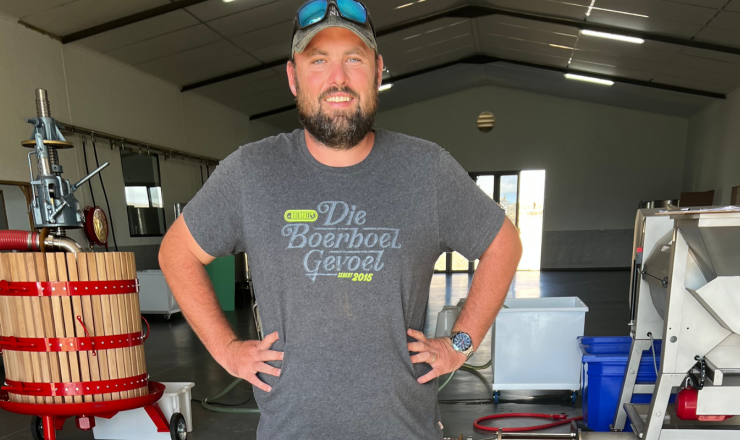
JC Smith praat oor wynmaak in die Oos-Vrystaat
JC Smith is ’n derdegeslag-wynmaker. Sy oupa Dassie en pa Flip was albei wynmakers, en hy het tussen wingerde en wynkelders grootgeword. Hy is tans die wynmaker by Blydschap in die Oos-Vrystaat.
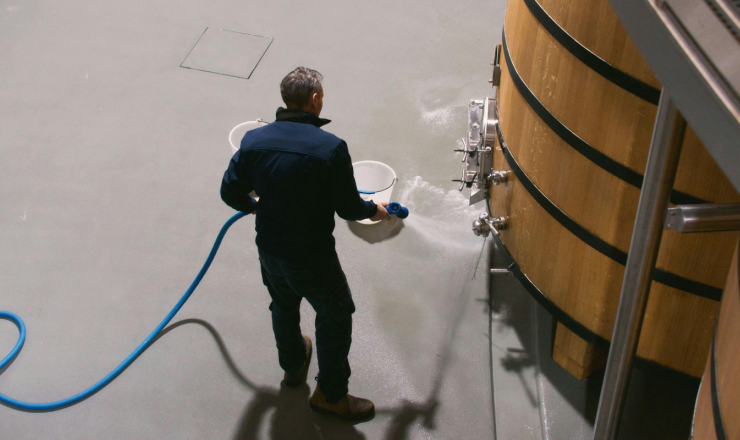
Cellar hygiene
Maintaining a spotless wine cellar requires a comprehensive management plan, which includes structural design, equipment sanitation, environmental controls and routine microbial monitoring.