
Part of the package
In an industry rooted in long-term thinking, packaging has become one of the most powerful tools available to winemakers navigating an increasingly complex future.
· 4 min read
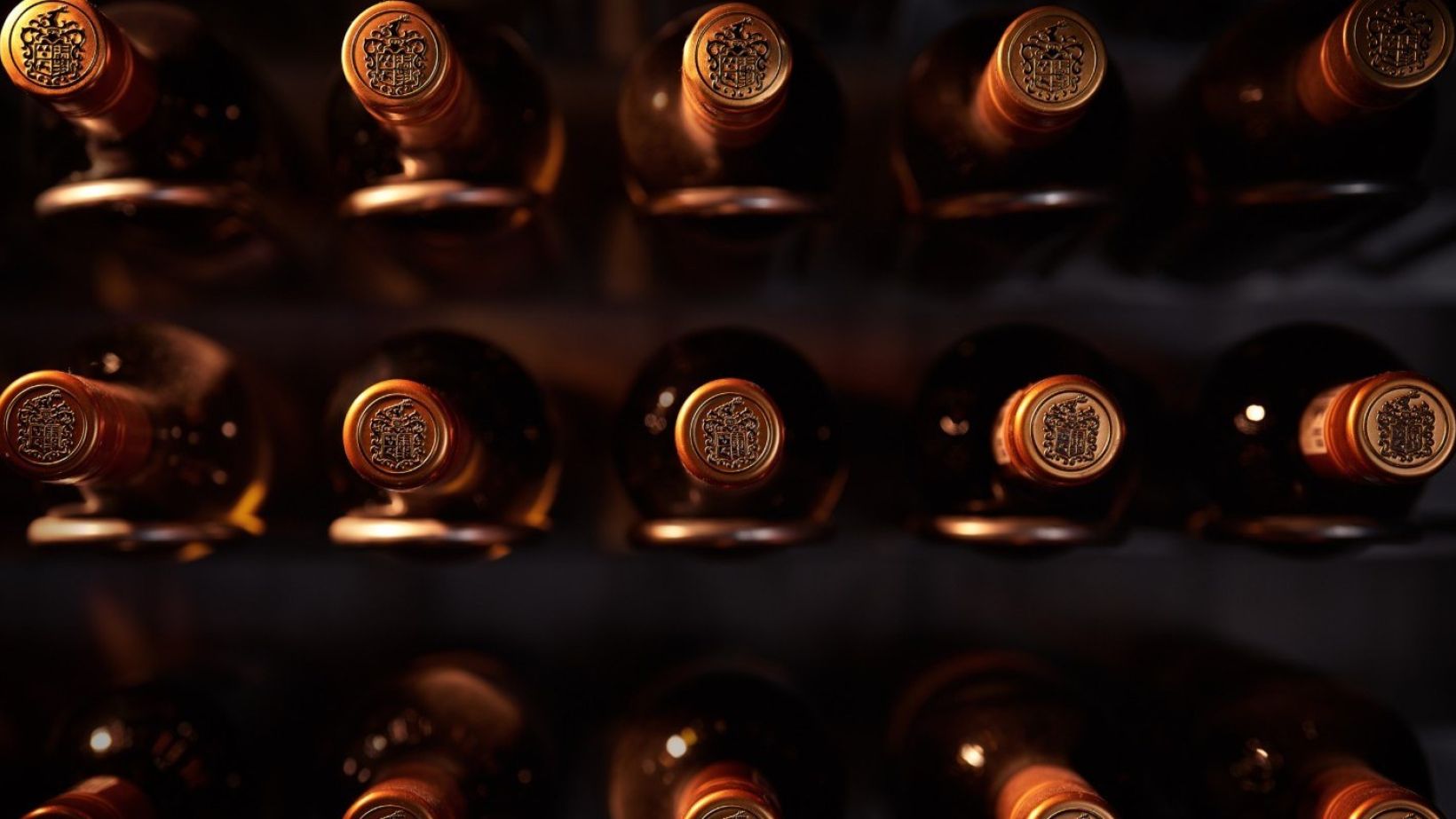
Packaging has become one of the most strategic and scrutinised elements of modern winemaking. Packaging decisions now sit at the intersection of sustainability, cost management, logistics, brand positioning and long-term wine quality. For South African producers operating in a competitive global market, these choices are increasingly complex.
Globally, the wine packaging market is a multi-billion-dollar sector that continues to expand in consumer demand and innovation pressures. Globally, wine bottle packaging (a major segment) was valued at approximately USD 8.2 billion in 2023 and is forecast to reach around USD 12.9 billion by 2032. Industry estimates suggest that packaging represents between 30% and 40% of a wine’s total carbon footprint, with glass bottles remaining the single biggest contributor. As international buyers, retailers and consumers place greater emphasis on environmental accountability, pressure is mounting on producers to reassess everything from bottle weight and closure systems to secondary packaging and transport efficiency.
In South Africa, these global trends are amplified by local realities. Rising input costs, long export routes, infrastructure constraints and energy volatility all shape packaging decisions in ways that differ from European or North American markets. For producers, the challenge to adopt new formats without compromising wine integrity, shelf life or brand equity.
“Packaging has become a strategic decision,” says Karl Lambour, General Manager at Tokara Wine and Olive Farm. “Every choice we make has implications, from vineyard and cellar practices to logistics, export markets and consumer perception.”
Lighter bottles, heavier thinking
One of the most visible shifts in the industry has been the move towards lighter glass bottles. Advances in glass manufacturing have made it possible to reduce bottle weight without sacrificing structural integrity, resulting in lower emissions during production and transport. For export-driven producers, these reductions can translate into meaningful cost and carbon savings across large volumes.
At Tokara, bottle selection is assessed wine by wine. Premium and age-worthy wines still require packaging that supports long-term cellaring, while lighter styles can benefit from reduced glass weight and improved logistics efficiency. “There is no single solution,” Karl explains. “We match packaging to the wine’s intended lifespan and market.”
Closures and consistency
While traditional cork continues to dominate premium segments, technical corks and alternative closures have gained ground due to their consistency and reduced risk of cork taint. For producers exporting into multiple markets, closure choice also intersects with consumer expectations and regulatory requirements.
South African winemakers are increasingly data-driven in this regard, drawing on long-term performance studies and post-bottling analysis to inform decisions. Consistency has become the guiding principle.
What about sustainability?
Packaging sustainability extends well beyond primary materials. Secondary packaging, cartons, inks and adhesives all contribute to environmental impact and cost. Many producers are moving towards FSC-certified cartons, reduced ink coverage and recyclable materials, while reassessing palletisation and shipping configurations to optimise space and fuel use.
Tokara incorporates these considerations into its broader operational planning. “Packaging doesn’t exist in isolation,” Karl says. “It’s part of a system that includes storage, warehousing, transport and energy use. Incremental improvements across that system add up.”
What’s next?
Market research shows a continued global pull toward alternative packaging formats such as bag-in-box, cans and other flexible solutions as wineries seek to meet sustainability goals and appeal to changing consumer preferences. These formats are among the fastest-growing segments in packaging forecasts, reflecting broader innovation trends in the wine industry.
For South Africa, the future of wine packaging will likely be defined by balance between innovation and tradition, sustainability and quality, global trends and local constraints. “The goal is to make informed, responsible choices that support the wine, the business and the land it comes from.”
In an industry rooted in long-term thinking, packaging has become one of the most powerful tools available to winemakers navigating an increasingly complex future.

More from
Vineyard, cellar and production

One vineyard. Eight components. Five years of patience.
When KWV’s Laborie Blanc de Blancs 2020 claimed the Duimpie Bayly Vertex Trophy at the 2026 Veritas Awards, it was more than another win for the Paarl-based producer. It was only the third time a Cap Classique had taken the competition’s highest honour, selected from 1 293 entries.
How to understand regenerative farming
Regenerative farming is becoming part of the language of modern viticulture, but what does it actually look like in a vineyard?
JC Smith praat oor wynmaak in die Oos-Vrystaat
JC Smith is ’n derdegeslag-wynmaker. Sy oupa Dassie en pa Flip was albei wynmakers, en hy het tussen wingerde en wynkelders grootgeword. Hy is tans die wynmaker by Blydschap in die Oos-Vrystaat.