
Soil preparation - think before you do
The cost of establishing new vineyard blocks is approximately R300 000 per hectare, and soil preparation constitutes about 10 - 15% of this expense.
· 9 min read
Given the current economic climate in the South African wine industry, no-one can afford to make mistakes. The cost of establishing new vineyard blocks is currently approximately R300 000 per hectare, and soil preparation constitutes about 10 - 15% of this expense. Although the input costs for soil preparation comprise only a small part of the establishment cost, it can have enormous long-term financial consequences if not performed correctly.
Prior to the establishment or replanting of a vineyard block, a soil investigation should first determine which limiting soil factors possibly occur in the specific soil in order to decide on suitable soil preparation actions and implements. Accurate data and decision-making are required to ensure that the correct soil preparation actions are performed and that the recommended depth is reached.
Similar or general limitations are often observed in the various wine regions. The soil limitations this article will focus on, include wetness, stratification and compaction.
Wetness
Wetness is associated with excessive water or waterlogged conditions in the subsoil, whether permanent or periodical. Soils can also easily become overirrigated, and oxygen, which is essential for root respiration, is then displaced through the water, leading to inhibited water and nutrient uptake.
Fluctuating water tables
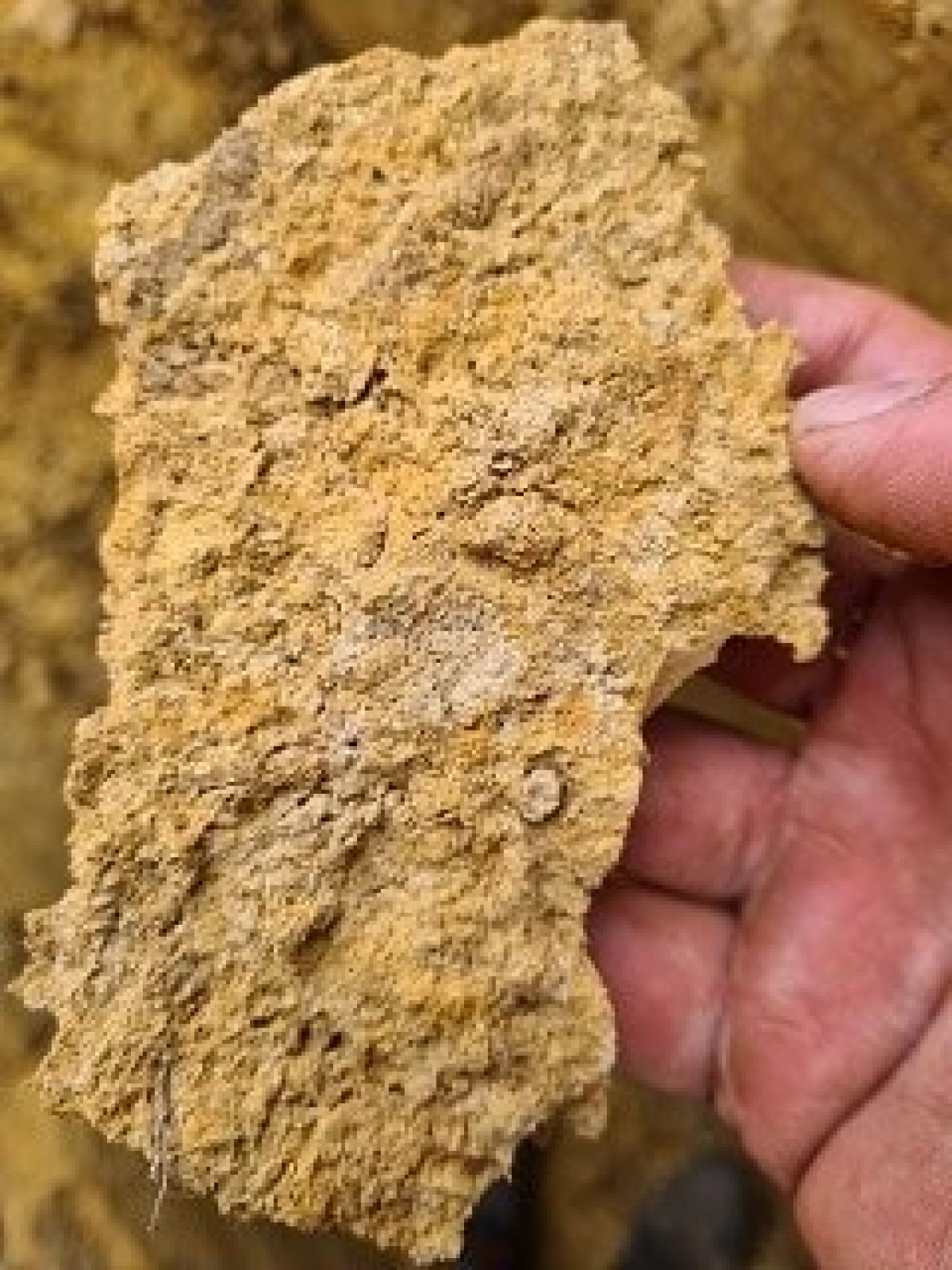
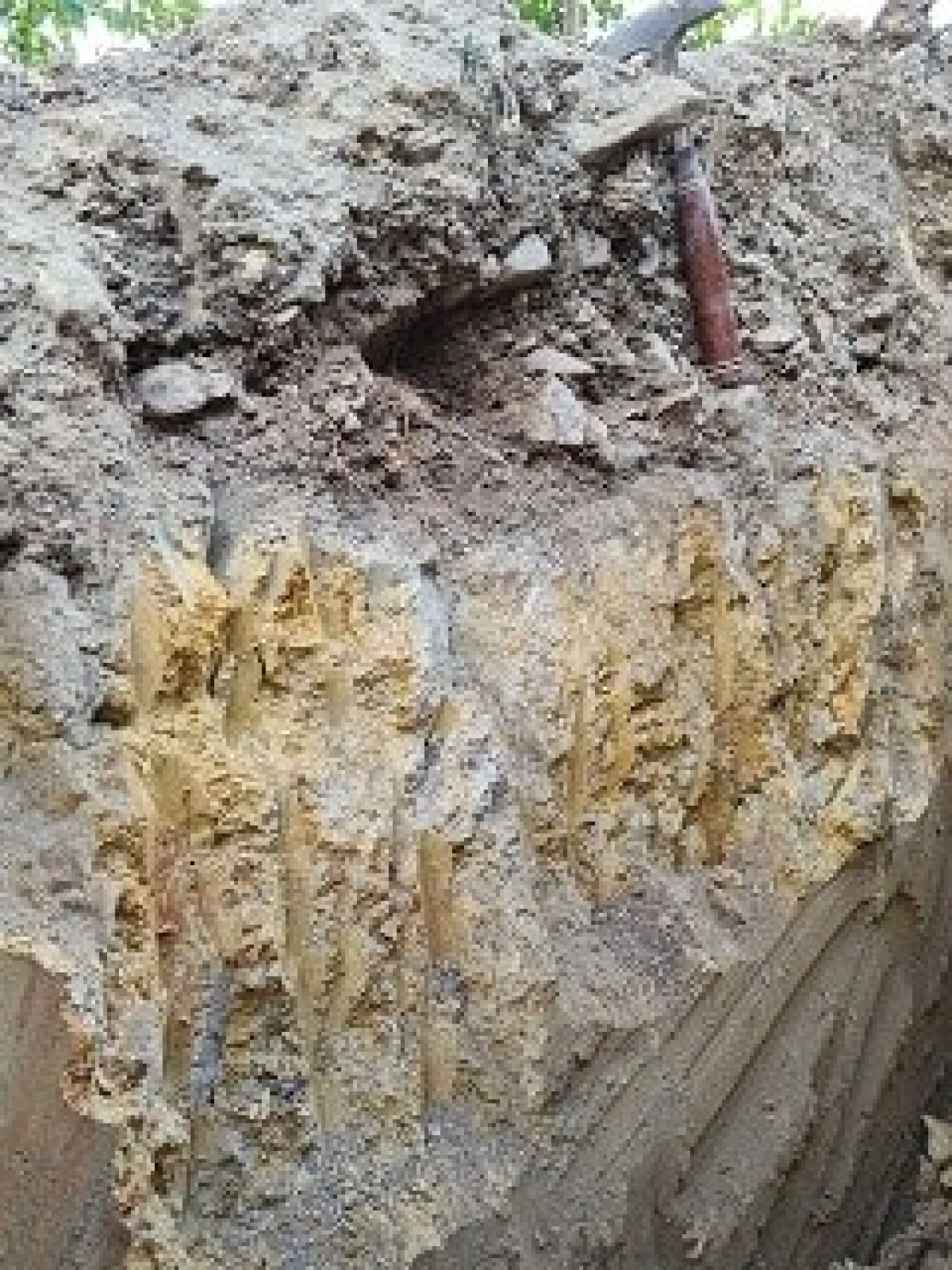
During the rainy season, the subhorizon is usually filled with free water. A soft plinthic B horizon (photo 1) has red/yellow/grey/black mottles which occur as result of fluctuating reduction/oxidation cycles.
Stagnating water tables
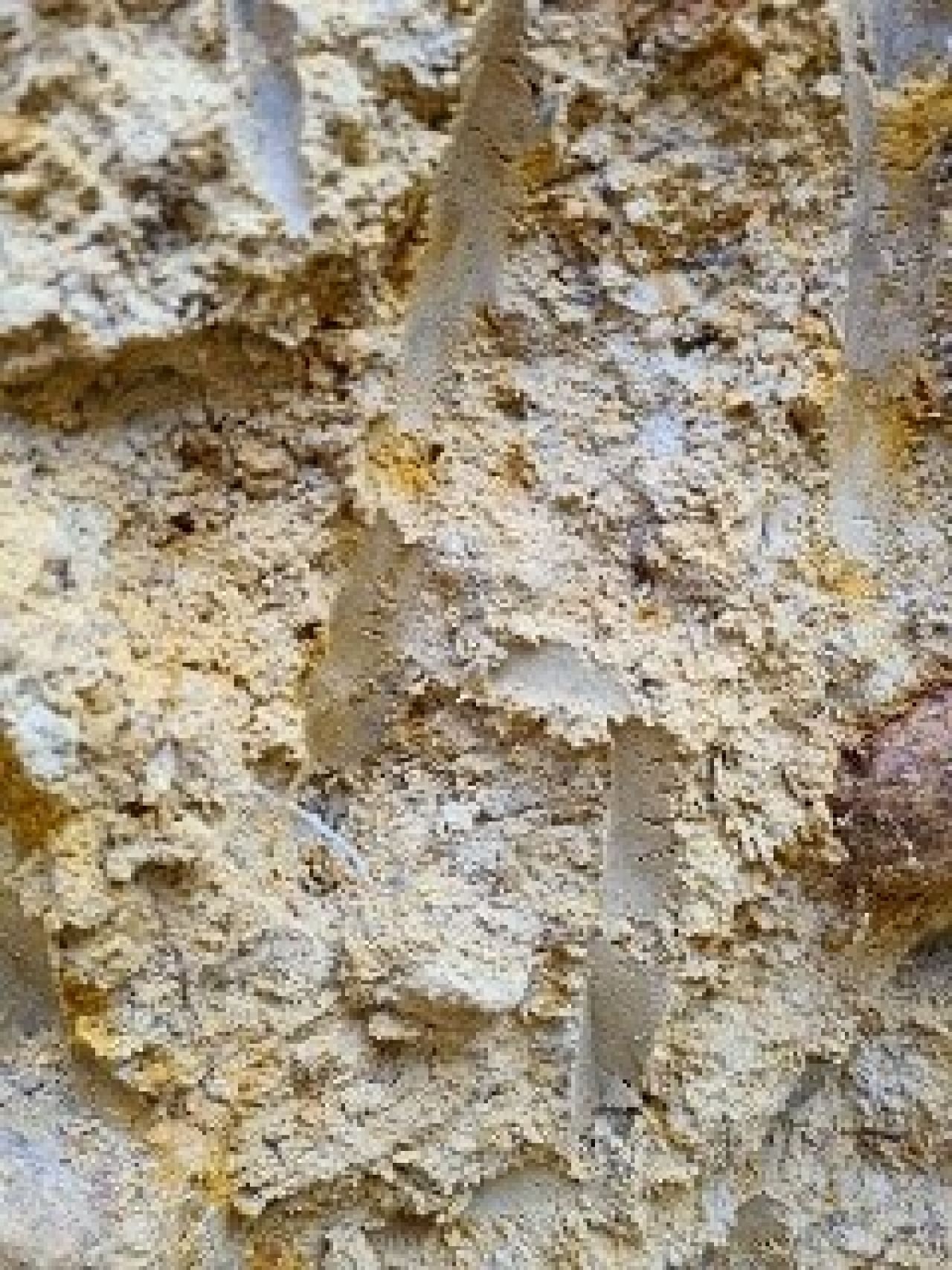
The subsoil regularly becomes waterlogged in the rainy season, which leads to poor root development. Although a typical G horizon (photo 2) has a blue-green or olive tint, indicative of the presence of iron in reductive conditions, grey colours are more typical and mottles may also be visible. Root penetration is therefore mainly limited to the topsoil, which in turn leads to poor root development and potential root diseases.
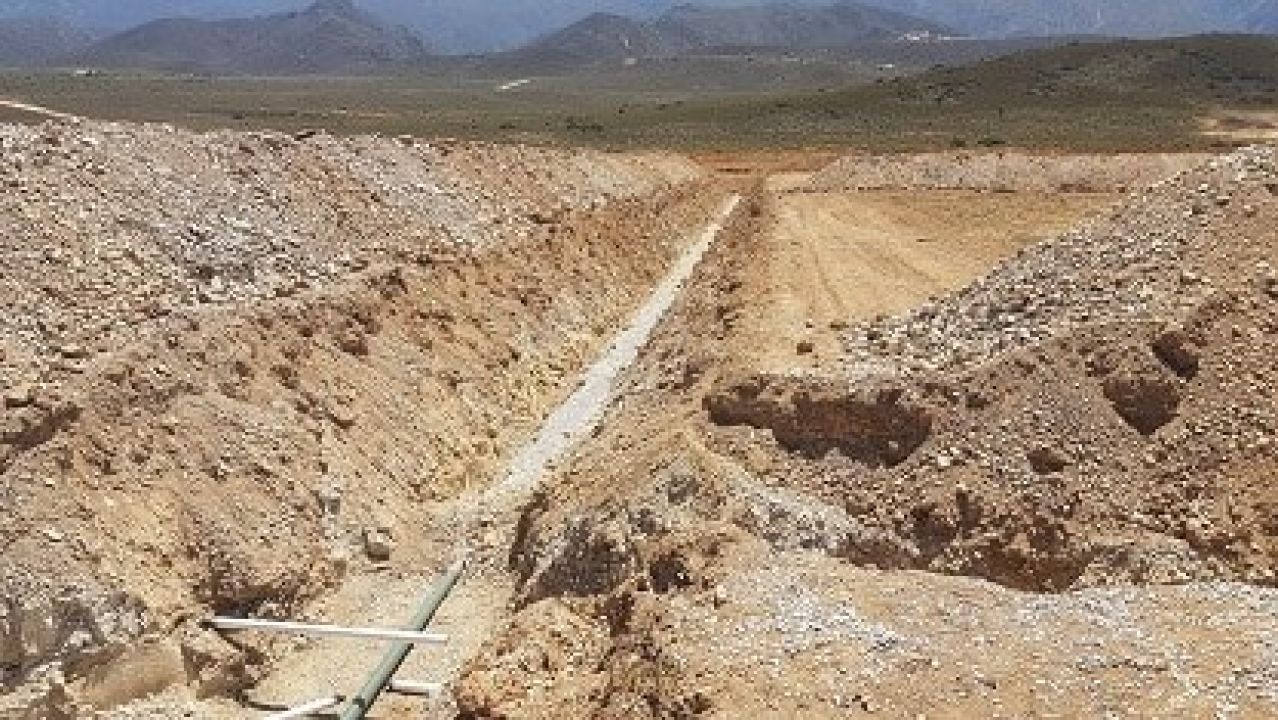
These problems can be addressed by installing drainage (photo 3) to rehabilitate the soil. Installation of correct drainage requires specialised and expert advice from a specialist in the field. If the problem soils cannot be drained successfully, ridging (photo 4) is the only remaining option. Installation must preferably take place before soil preparation. The drainage depth must be sufficient (usually > 1 200 mm) to prevent damage to the drainage pipes during deep soil preparation. If drainage is only performed after soil preparation, compaction of the soil must be avoided as much as possible, and tractor traffic should be limited to the cultivation row and also preferably at the lower side of the drainage trench.
Stratification
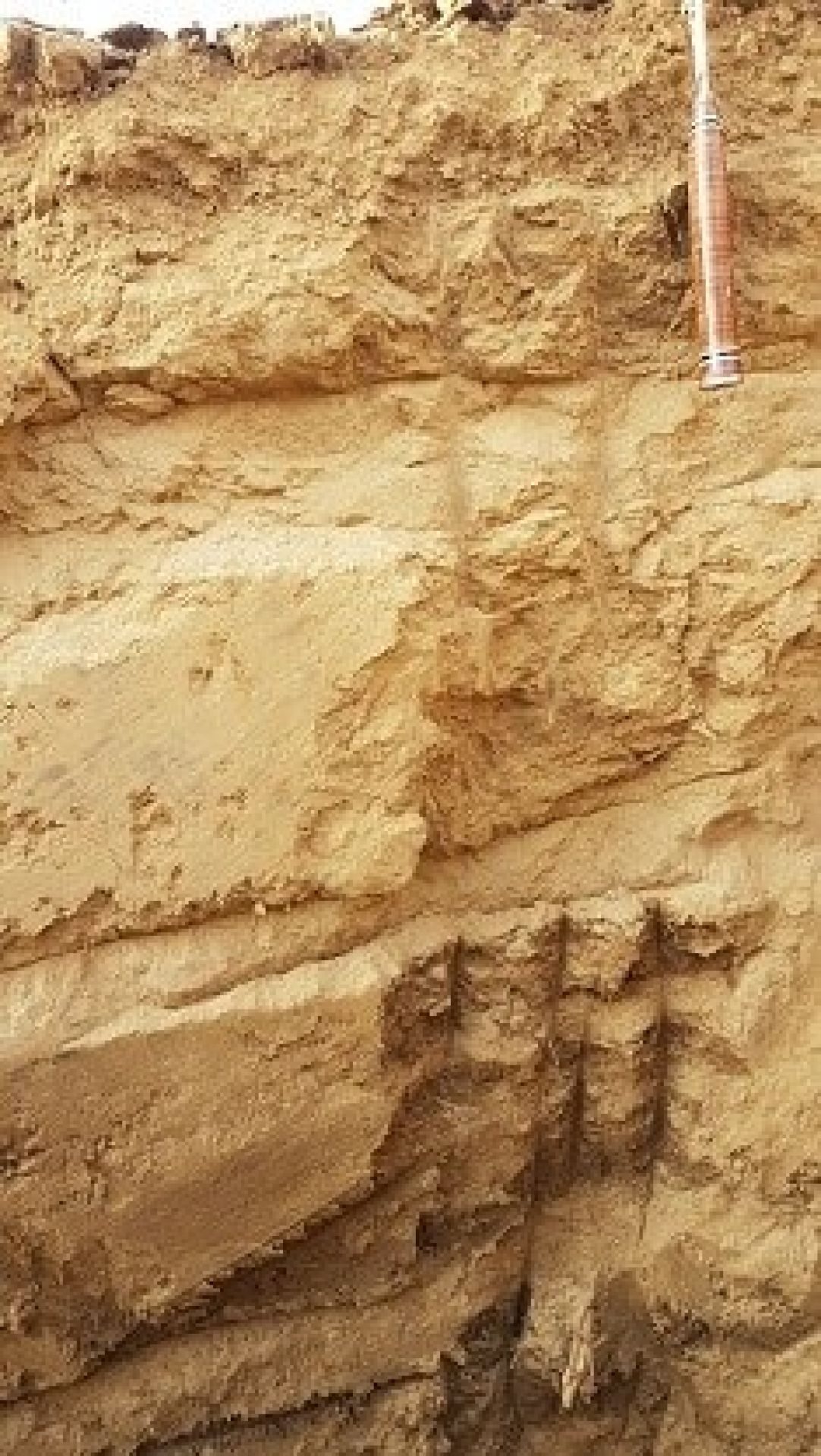
Soils with stratification characteristics fall under the cumulative soil group and are mostly associated with a Dundee soil form (photo 5). These are typically young soils with stratified deposits of alluvial (river action), colluvial (gravitational action) or wind-blown (aeolian) origin. As roots grow with difficulty or not at all from a finer texture to an underlying layer with a coarser texture, root depth can be effectively restricted through such layers. Due to the varying water-holding capacity of the different texture classes, certain layers could be dry and others oversaturated. Such stratification can be uplifted with a finger delve implement.
Compaction
Compaction is a common occurrance in old vineyard blocks. It can be mechanical compaction as result of tractors, sprayers or harvest machines, or sometimes the density can be attributed to high clay percentage, fine sand or silt content. In other cases it is as result of cementation of substances such as lime, iron or silica.
Van Huysteen (1989) identified the following soil groups that are prone to compaction:
- Silt-rich alluvial soils.
- Sand soils with more than 60% total sand.
- Topsoils with a tendency to harden.
- Subsoils in which illuviation has taken place: the downward movement to an underlying soil layer consisting of material that was removed from the topsoil through percolating water.
- Subsoils in which vertical eluviation of clay has occurred: the removal of soil material in suspension from a part of the entire soil profile.
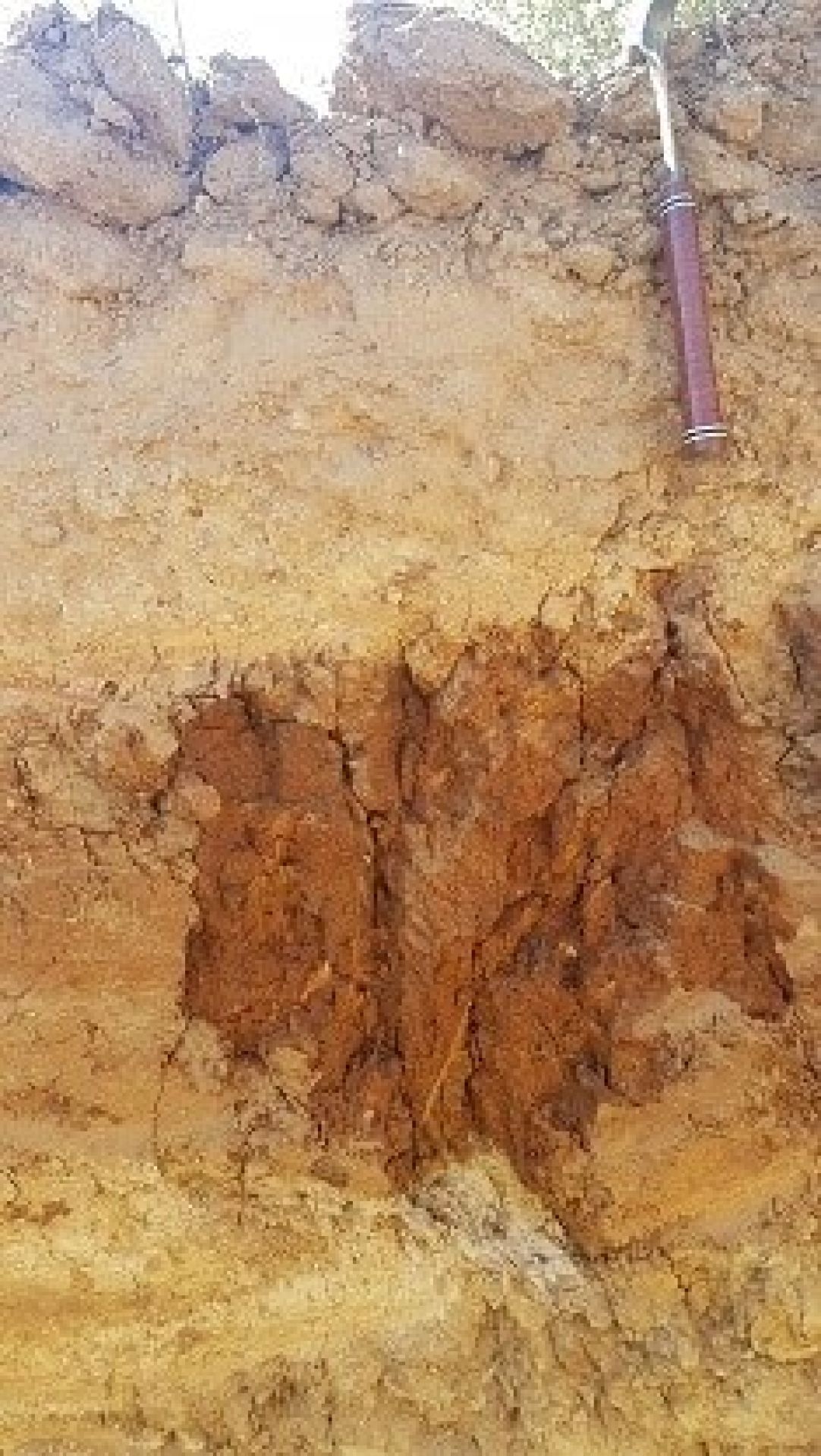
The structures in the pedo- or prismacutanic B horizon (clay horizons) (photo 6) are not water stable and therefore must never be ploughed out. If this happens, the peds slake on the surface and form a crust which delays water infiltration with a subsequent decrease in the soil water content and increased erosion vulnerability. The restrictive layer can be broken up with a mix-rip implement if the clay horizon has sufficient structural stability, and won’t return to the compacted state again after loosening. To achieve the best breaking-up action, it is essential that the action takes place during ideal soil water conditions.
Soil preparation
The soil’s chemical and physical conditions will determine the planting date; certain soils have to go through a rehabilitation process first. For example, if the lime recommendation exceeds 25 - 30 tons/ha, or if drainage has to be installed to for example leach out excessive salts, any planned vineyard establishments would have to be postponed in favour of starting the rehabilitation process. After the necessary actions have been carried out, the soil is evaluated again after 6 - 12 months to determine if additional adjustments are required, and whether the tillage action or drainage installation was succesfully performed.
The correct implement choice is determined by the soil type, taking into consideration the chemical limitations.
Implement choices for soil preparation
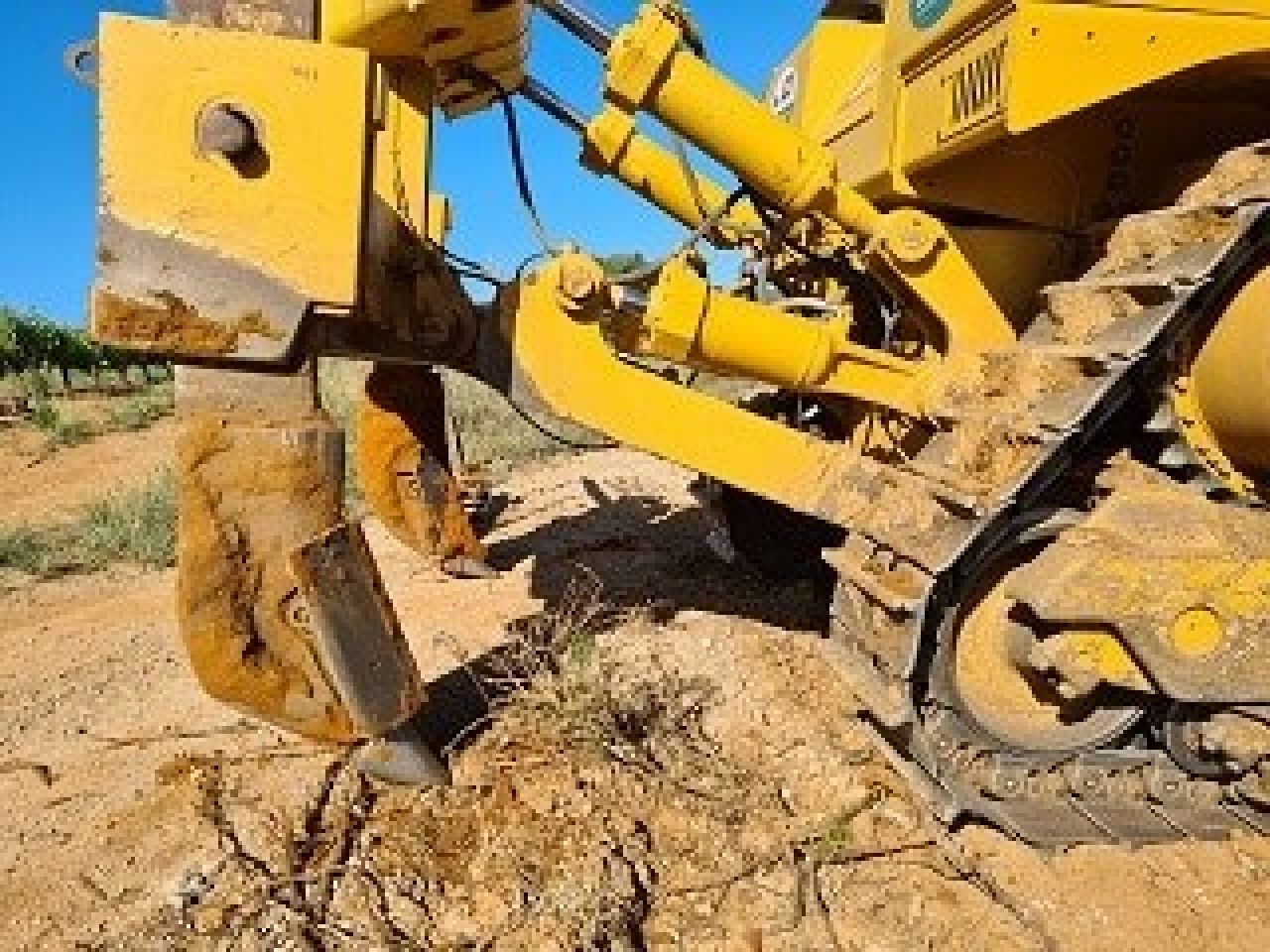
We have various names for the same implements, namely ripper, rippers with wings (two or three blades) (photos 7 and 8), mix ripper (photo 9), finger delve (photo 10) and excavator (no longer recommended). An ideal implement for all purposes does not exist; rather it is the soil’s limitations that will determine the specific implement to be considered. In certain blocks on the same farm there will also have to be varying use between different implements, as soils in the Western Cape can have enormous variation over a short distance.
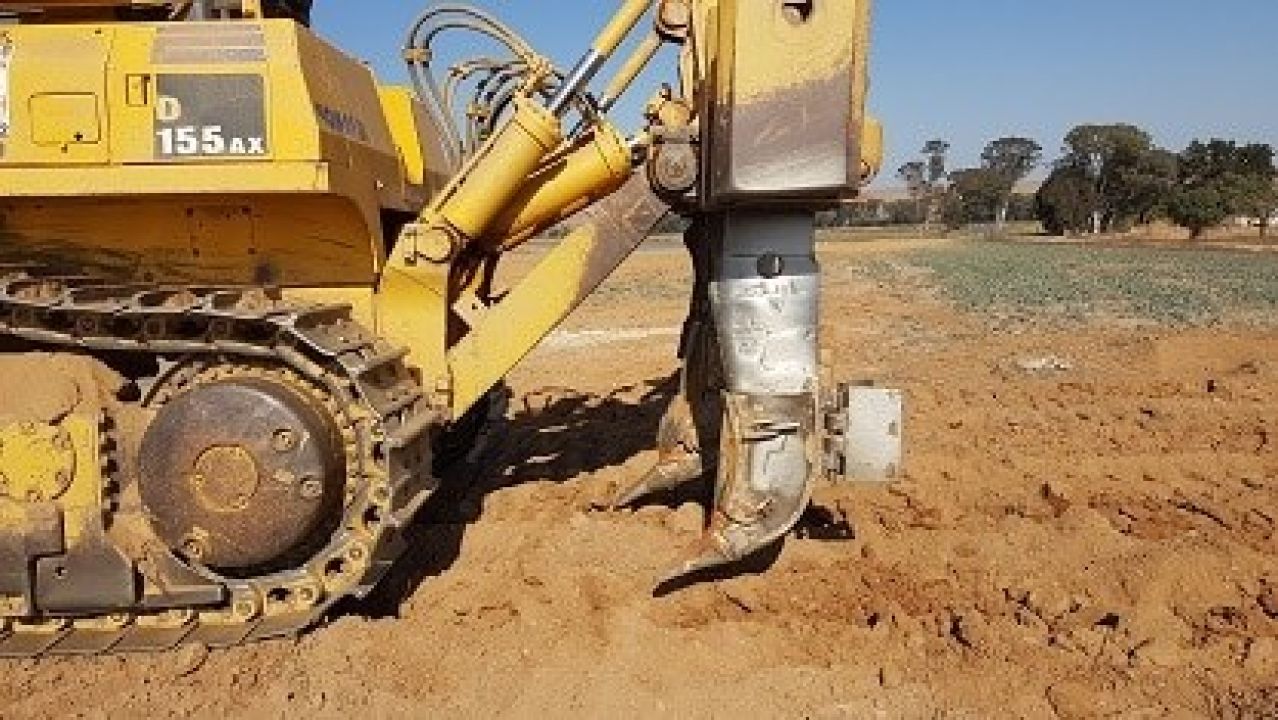
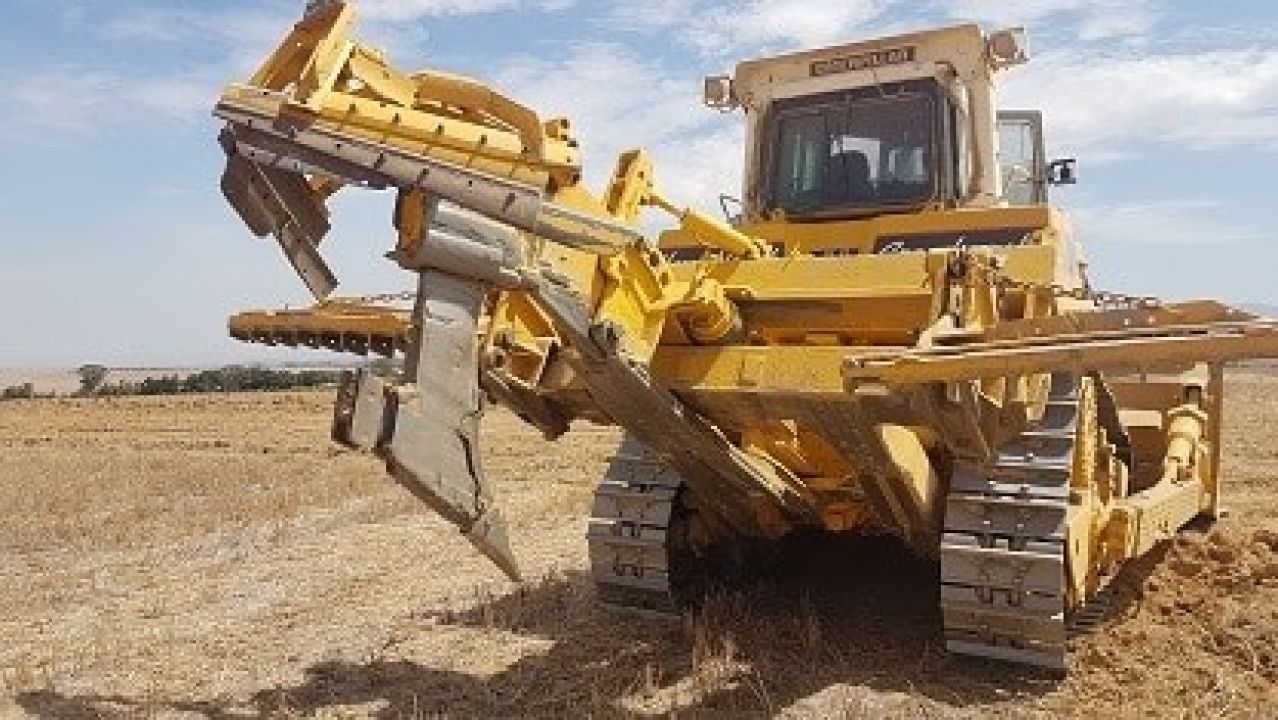
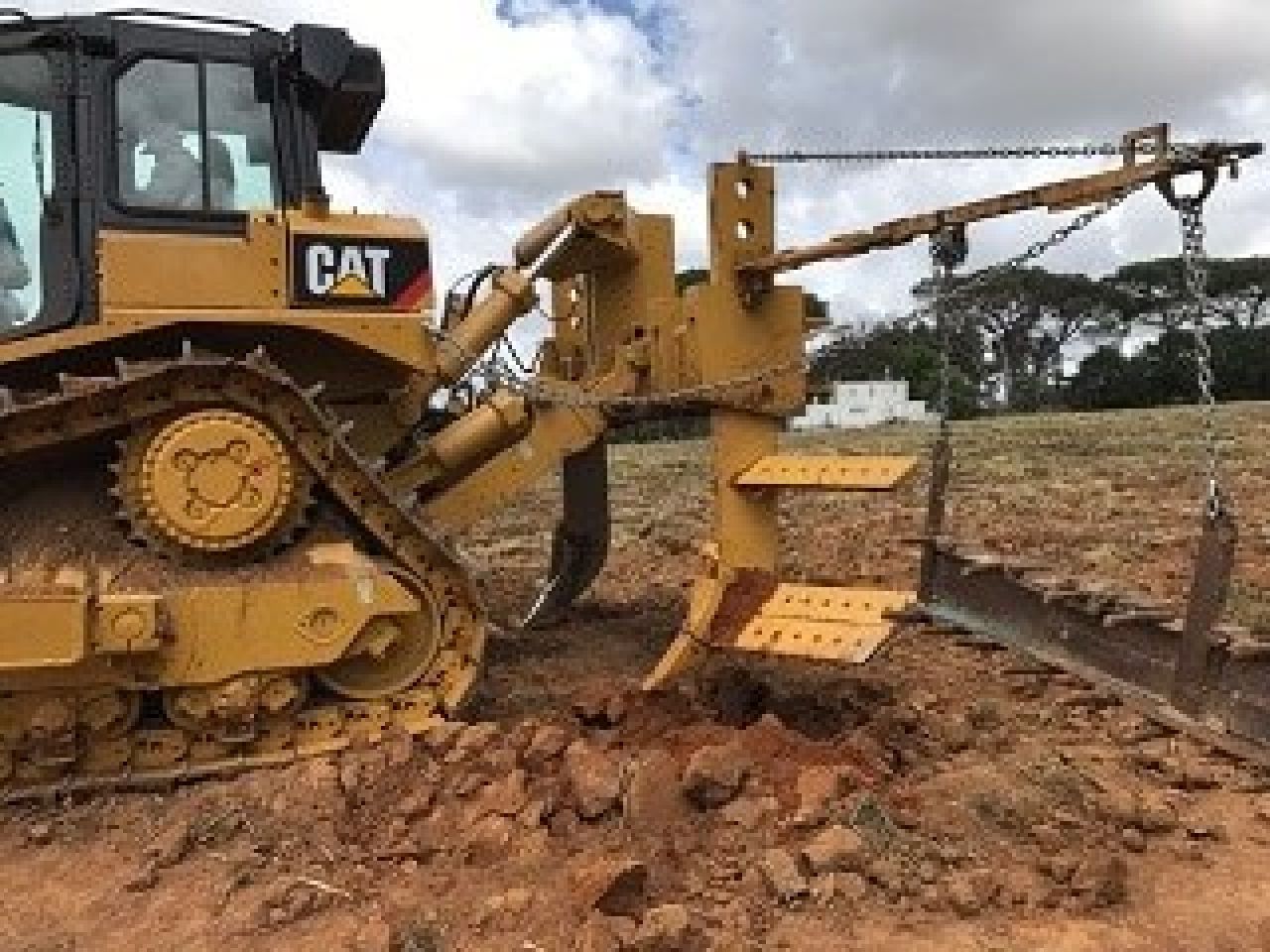
The following factors also have to be considered in the choice of implement:
- Soil water content: A soil that is too wet, smears and no crumbling takes place in the subsoil. Soils that are too dry, break up into large clods and uneven mixing of the lime, phosphate and/or gypsum then occurs. An additional tillage action is then required to break the clods, which in turn can lead to recompaction.
- Direction of tillage: The first action is the deepest action and must be applied from the highest to the lowest point. This action promotes internal drainability and sometimes a cross-action is also required which must be executed at an angle of approximately 30 - 45° on the first action.
- Furrow width and depth: Experience and observations have shown that, where the soils allow it, the maximum movement depth of a blade of most implements is about 900 - 1 200 mm from the surface. It has also been observed that when a blade of an implement moves 1 200 mm deep for example, the effective mixing of ameliorants only occurs at about 800 - 900 mm from the surface, and not at the full 1 200 mm, despite the blade reaching so deep. Not all implements offer effective downward mixing of ameliorants; a ripper movement without wings achieves no downward mixing – only mix-rip and finger delve implements, and to a lesser extent the rippers with wings or swing-wings (wings on top or behind the blade which can be extended to expand the upward breaking action (“V action”), and more downward mixing takes place). If there is undesirable shallow clay in the subsoil that should not be brought to the surface, the choice of implements moves more towards the mix rip and rippers with wings, and away from implements that offer maximum mixing, like the finger-delve plough, delve plough and excavator.
A rule of thumb is that the furrow width should be approximately two-thirds of the cultivation depth. This means that a furrow width of 400 - 500 mm should be used if the cultivation depth is 600 - 700 mm. When the soil only has to be loosened, the maximum recommended furrow width is 750 mm (and never further), but if large amounts of lime have to be applied and the cultivation depth is 1 200 mm, the furrow width has to be adjusted to not exceed 550 - 650 mm, as to enable proper downward mixing of ameliorants.
A too narrow furrow width is however, too expensive. If the furrow width and the soil water conditions during preparation are correct, the soil should be even enough after preparation so no further levelling is necessary. To prevent compaction after soil preparation, no tractor traffic should occur until after the vineyard has been established. Thereafter, tractor traffic should be limited to the centre of the work row.
Correct soil preparation prior to vineyard establishment is essential to the long-term success of the vineyard. There is no one-size-fits-all approach, soil preparation choices should be made in conjunction with a soil scientist who has the necessary knowledge and information at their disposal. Given the establishment costs per hectare, incorrect soil management actions for even one or two hectares can lead to massive potential financial losses over time. An investment in correct soil management is therefore an investment in your future.
Reference
Van Huysteen, L., 1989. Quantification of the compaction problem of selected vineyard soils and a critical assessment of methods to predict soil bulk density from soil texture. PhD thesis, Stellenbosch University.
Johan de Jager is a soil science consultant for Vinpro, specialising in soil classification, chemical corrections and the development of long-term fertilisation programmes.
– Contact Vinpro for independent, precision advice to evaluate your soil health, fertilisation programme, cover crops and viticultural practices.
Click here to get your copy of WineLand Magazine and here to subscribe to our newsletter.

More from
Vineyard, cellar and production
How to understand regenerative farming
Regenerative farming is becoming part of the language of modern viticulture, but what does it actually look like in a vineyard?
JC Smith praat oor wynmaak in die Oos-Vrystaat
JC Smith is ’n derdegeslag-wynmaker. Sy oupa Dassie en pa Flip was albei wynmakers, en hy het tussen wingerde en wynkelders grootgeword. Hy is tans die wynmaker by Blydschap in die Oos-Vrystaat.
Cellar hygiene
Maintaining a spotless wine cellar requires a comprehensive management plan, which includes structural design, equipment sanitation, environmental controls and routine microbial monitoring.