
Sunburn in the Paarl and Swartland regions
Producers in the Paarl/Swartland are familiar with sunburn, but the timing of a sweltering hot day on 25 December 2024 and preceding weather conditions led to significant losses in tonnage.
· 6 min read
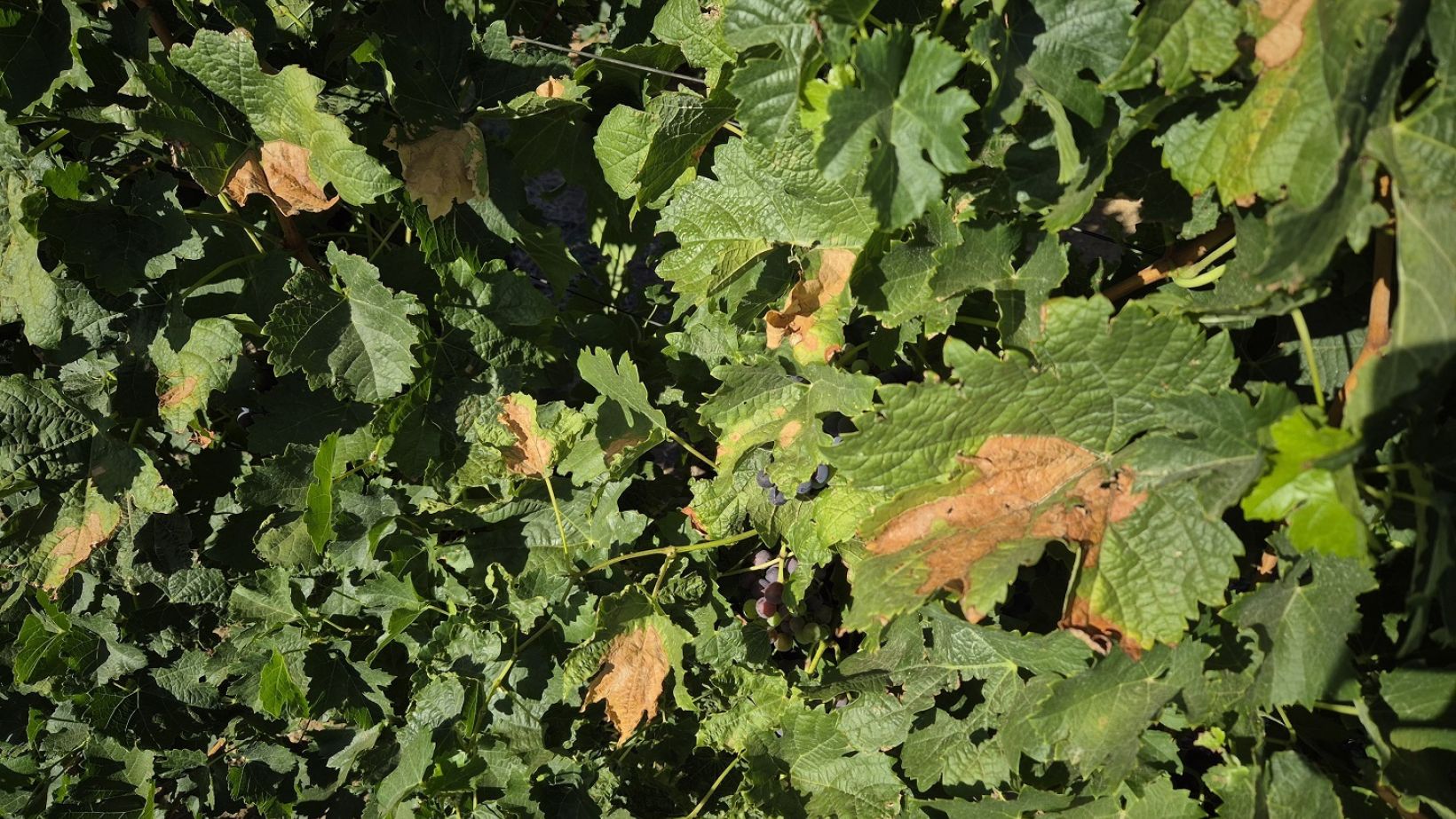
The 2025 vintage will be remembered for the mild weather conditions during harvest, which resulted in even ripening and excellent grape and wine quality. There was, however, an outlier – a sweltering hot day on 25 December. Producers in the Paarl/Swartland are familiar with sunburn, but the timing of this particular event and preceding weather conditions led to significant losses in tonnage. Temperatures in excess of 40°C were measured at weather stations, but temperatures in the microclimate zones of the grapes are often even higher due to inter alia radiation from the soil surface.
The stomata of leaves close at temperatures above 35 to 40°C, especially during conditions of intense sunlight radiation (afternoon sun), as well as low groundwater levels, which cause water stress in the vines. When the stomata close, the rate of transpiration (movement of water vapour through the stomata) decreases, and the plant’s ability to cool down is compromised. Overheating of the leaves and berries therefore occurs, resulting in subsequent sunburn damage to the leaf and berry tissues.
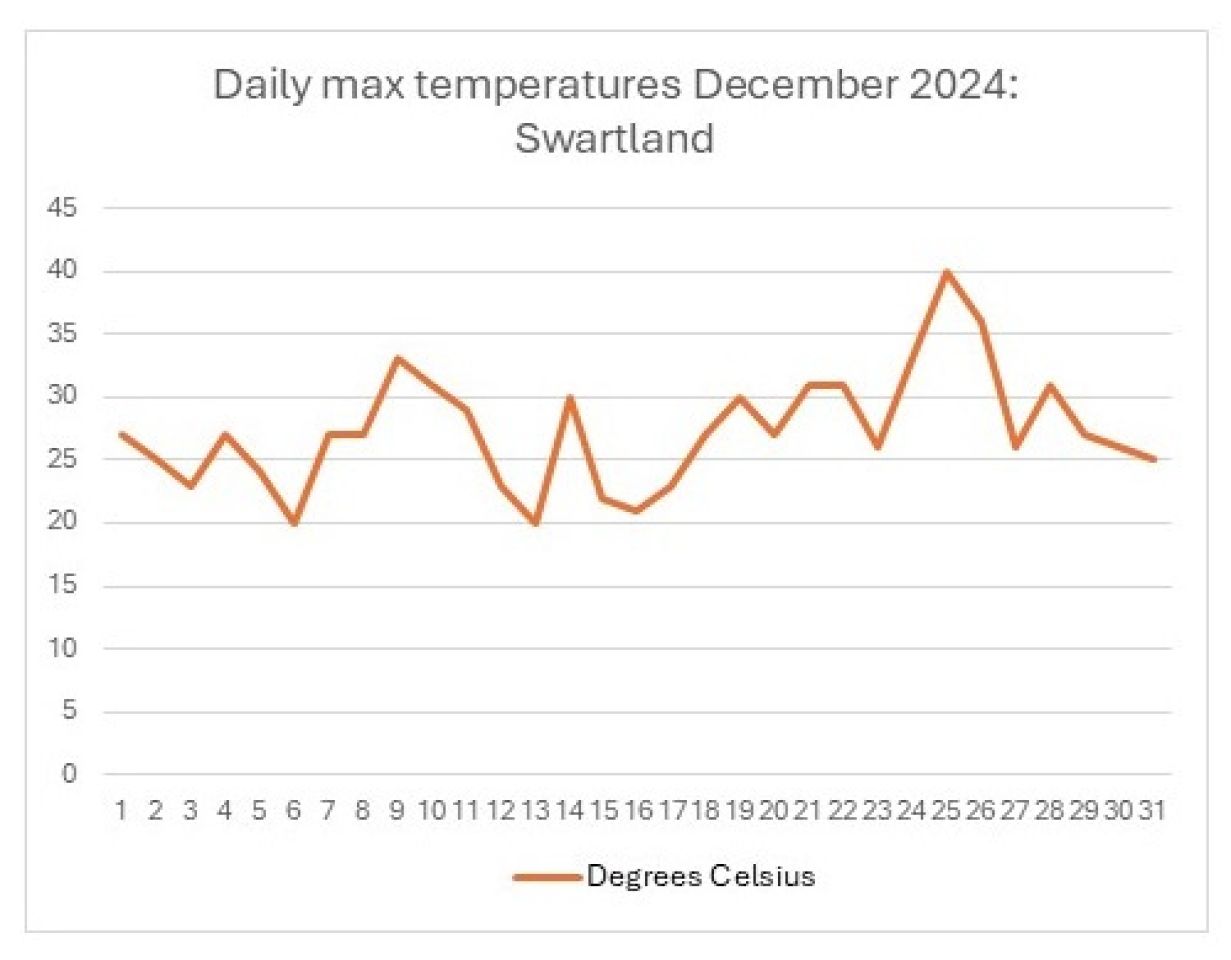
FIGURE 1. Daily maximum temperatures for December 2024 in the Swartland region.
As shown in Figure 1, the daily maximum temperatures were relatively mild, with values below 35°C from 1 to 24 December. There was a sudden steep increase on 25 December, however, with the mercury rising to above 40°C. The increase was so sudden that the vineyards simply were not accustomed to the unexpected heat. Leaves were scorched (Photo 1), and significant grape losses were also observed (Photo 2).
The grapevine produces various compounds which help to protect the leaves and grapes against sunburn. For instance, the concentration of certain flavanols in grape skins increases with more sunlight exposure. This is also the reason why canopy management actions should be performed at an early stage. Suckering should be completed before flowering, and if defoliation is required, it should be done right after set.
Grapes are particularly susceptible to sunburn before véraison, and unlike most years, this heat spike occurred early enough, when virtually no grapes had yet entered véraison. Anthocyanins, which are responsible for the red colour of grapes, help to absorb ultraviolet rays and thus reduce the risk of sunburn.
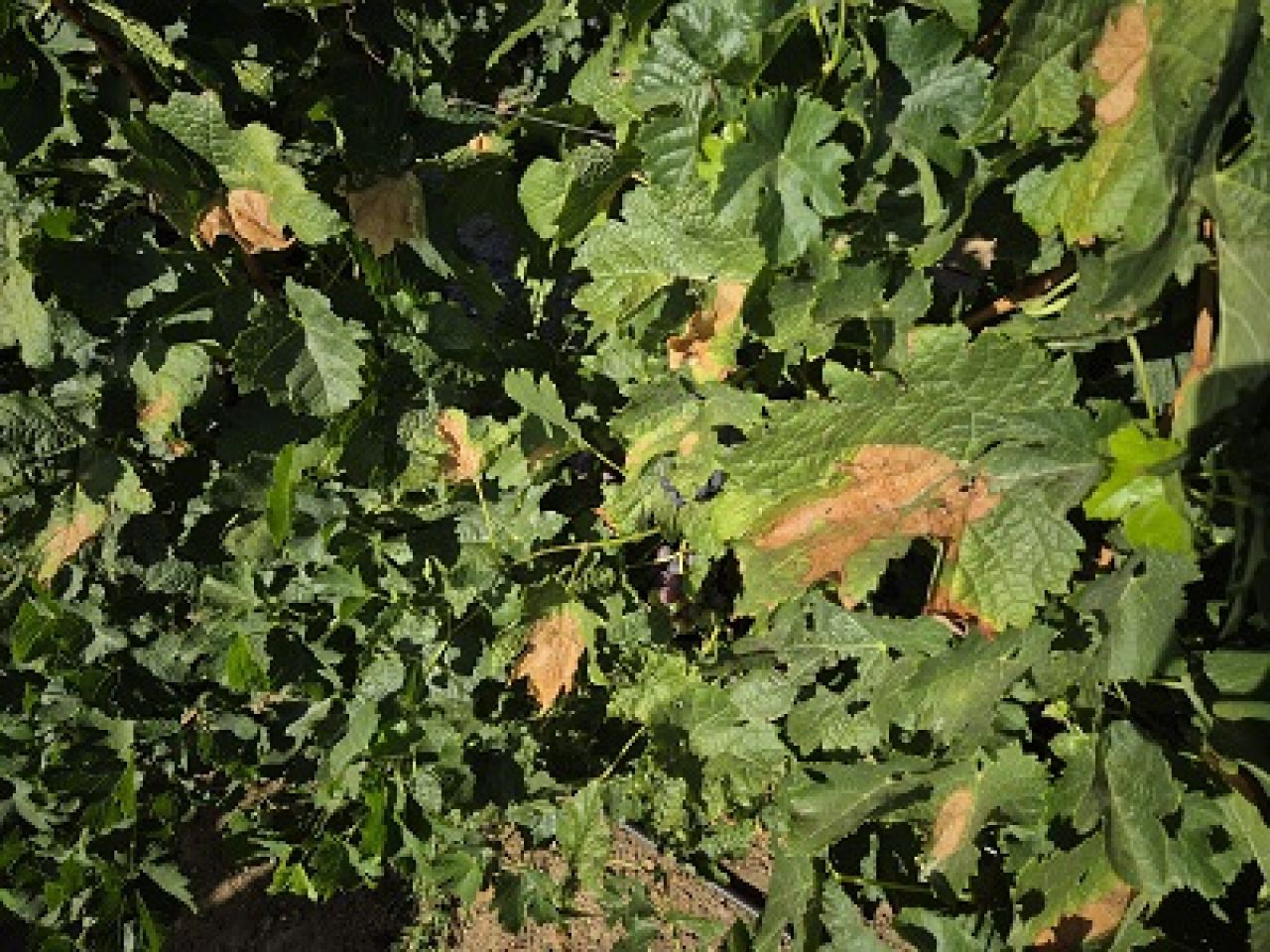
PHOTO 1. Leaf scorch from heat damage causes pale brown, interveinal spots encircled by a dark brown line.
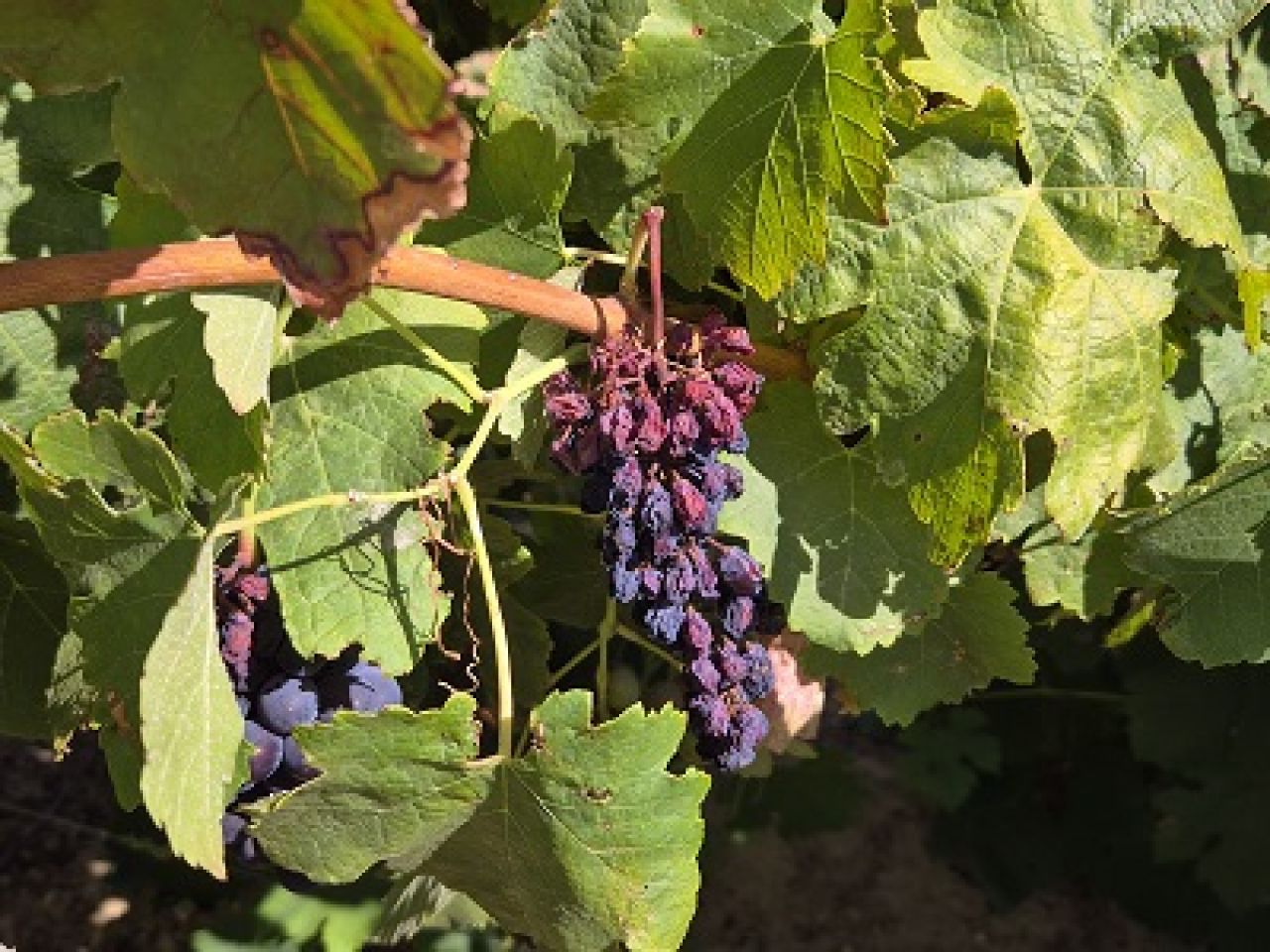
PHOTO 2. Damage to exposed grape bunches and stems causes wilting, shrinkage and ultimately dehydration.
Buffered vine roots
Upon closer inspection, many vineyards in the area experienced a lesser degree of sunburn damage. This was indeed the case in irrigated and dryland vineyards. One of the most important countermeasures for extreme climate events like sudden heatwaves is a buffered root system. According to the late Professor Eben Archer: “Buffered vine roots are probably the most important weapon against climate change (warmer and drier) in the Western Cape of South Africa” (Vine Roots, 2018). A buffered root system is a deep, well-distributed system which consists of thick and thinner roots. An example of a poorly buffered system can be seen in Photo 3, where roots only occur in the topsoil due to stratification in the soil that was not uplifted during soil preparation.
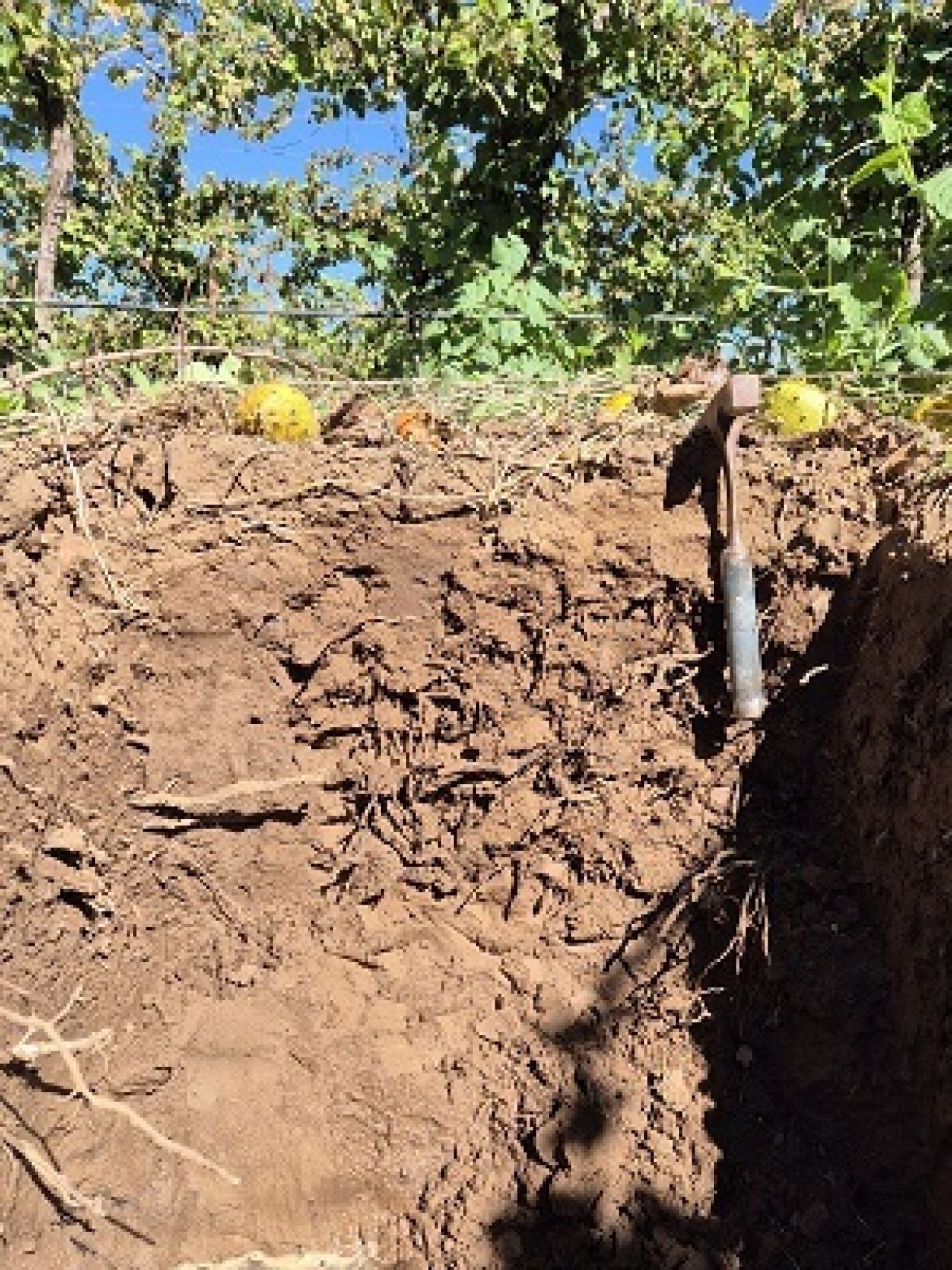
PHOTO 3. Roots only occur in the topsoil due to stratification in the soil, which results in poor buffer capacity against extreme heat.
Another common cause of poorly buffered roots is incorrect planting practices, where vines develop J-rooting or cannot escape the planting hole due to compaction (Photo 4).
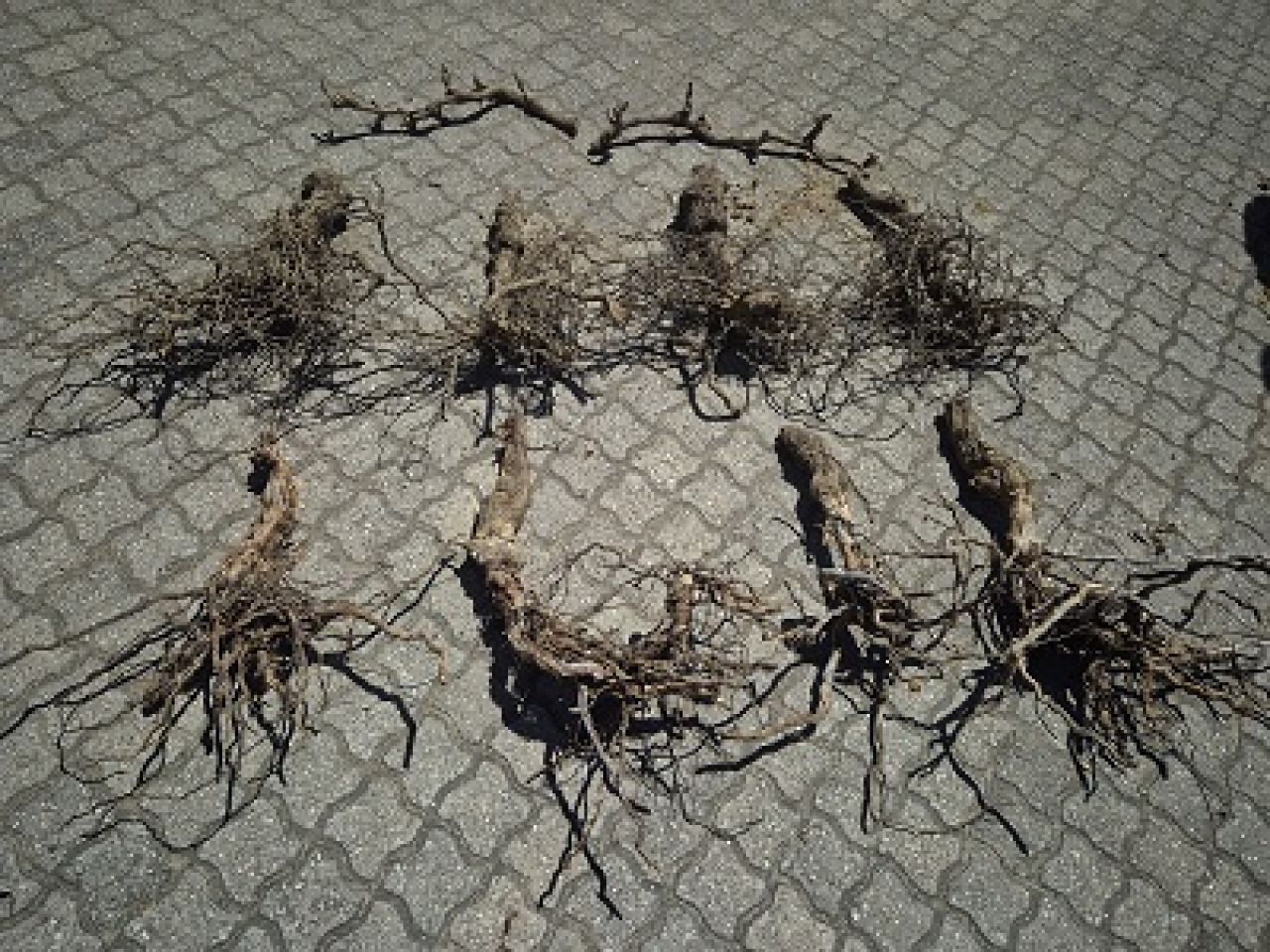
PHOTO 4. Examples of poor root development due to incorrect planting practices.
Sunscreen for grapes
As mentioned, grapevines naturally produce certain compounds like flavanols, which act as a sunscreen. Several trials have already been performed in various warm wine-producing countries with inter alia shade nets, misting sprayers and reflective agents, to reduce sunburn damage. Out of these, the spraying of koalin-containing agents before heatwaves delivered particularly promising results. Koalin (a type of white clay) is an inert chemical that reflects ultraviolet and infrared light. Its ability to protect against sunburn damage has already been proven in various crops. Wine Australia (2014) reported that the use of koalin-containing sprays in the Hunter Valley reduced the percentage of sun-damaged wine grape bunches from 47% to 15%.
Row orientation
Another aspect that clearly played a role in the amount of sunburn damage, was the row orientation of hedge trellis systems. Especially in the Wellington area, significantly more damage was noticed in north-south row orientations. This can be attributed to a long morning and afternoon sun side. This led to longer exposure to direct sunlight on exposed bunches. Temperatures were already very high early on 25 December, which caused damage on both the morning and afternoon sun sides. Row orientations between east-west and southeast-northwest had significantly less sunburn damage.
Bushvine and sprawl system vineyards
In these vineyards, early topping actions and subsequent branch shoot development made a huge difference (Photo 5). Where shoots were not topped, they fell open and substantial sunburn damage was observed (Photo 6).
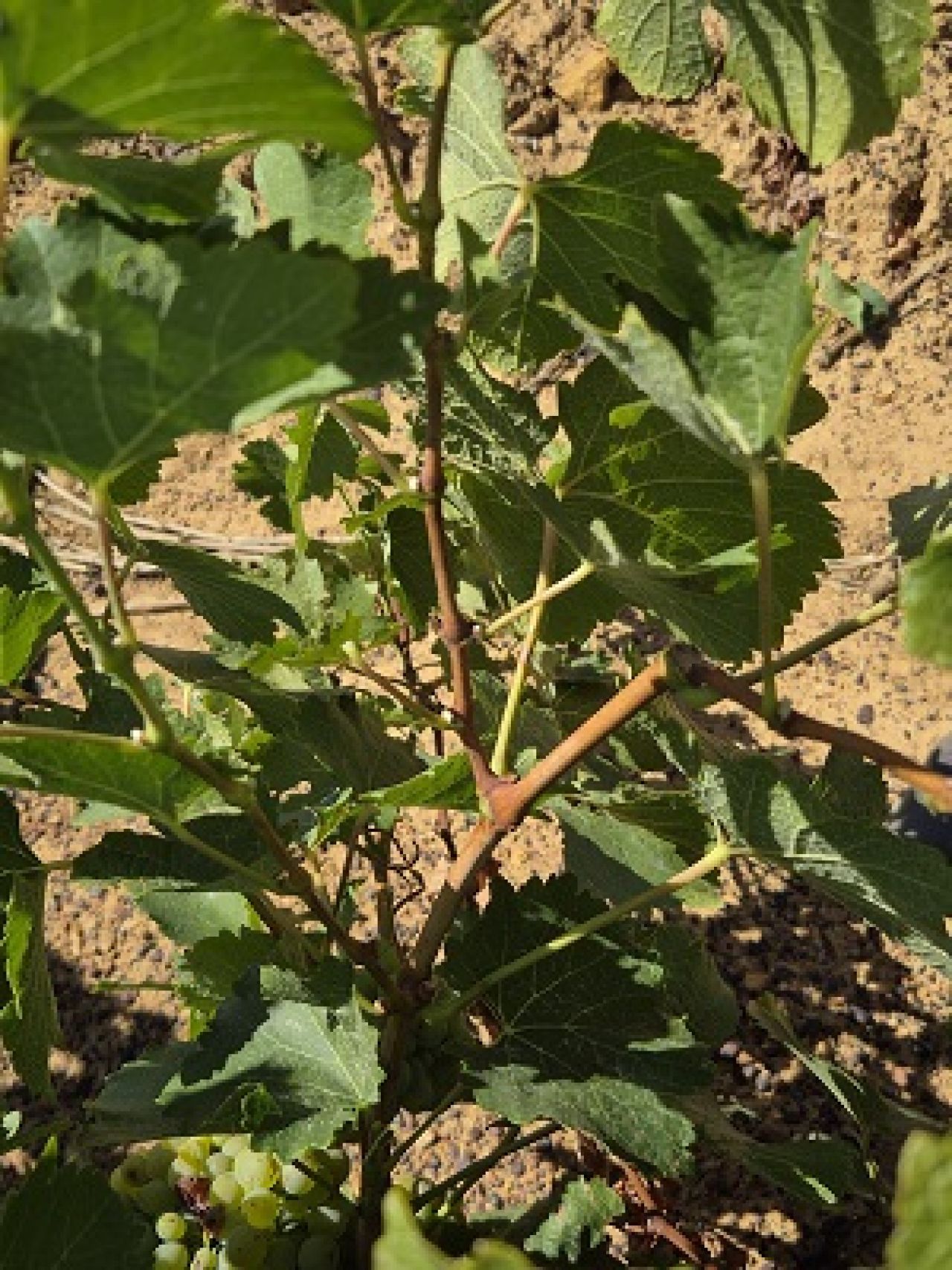
PHOTO 5. An early topping action on this bush vine led to branch shoot development, which protected the grapes against sunburn.
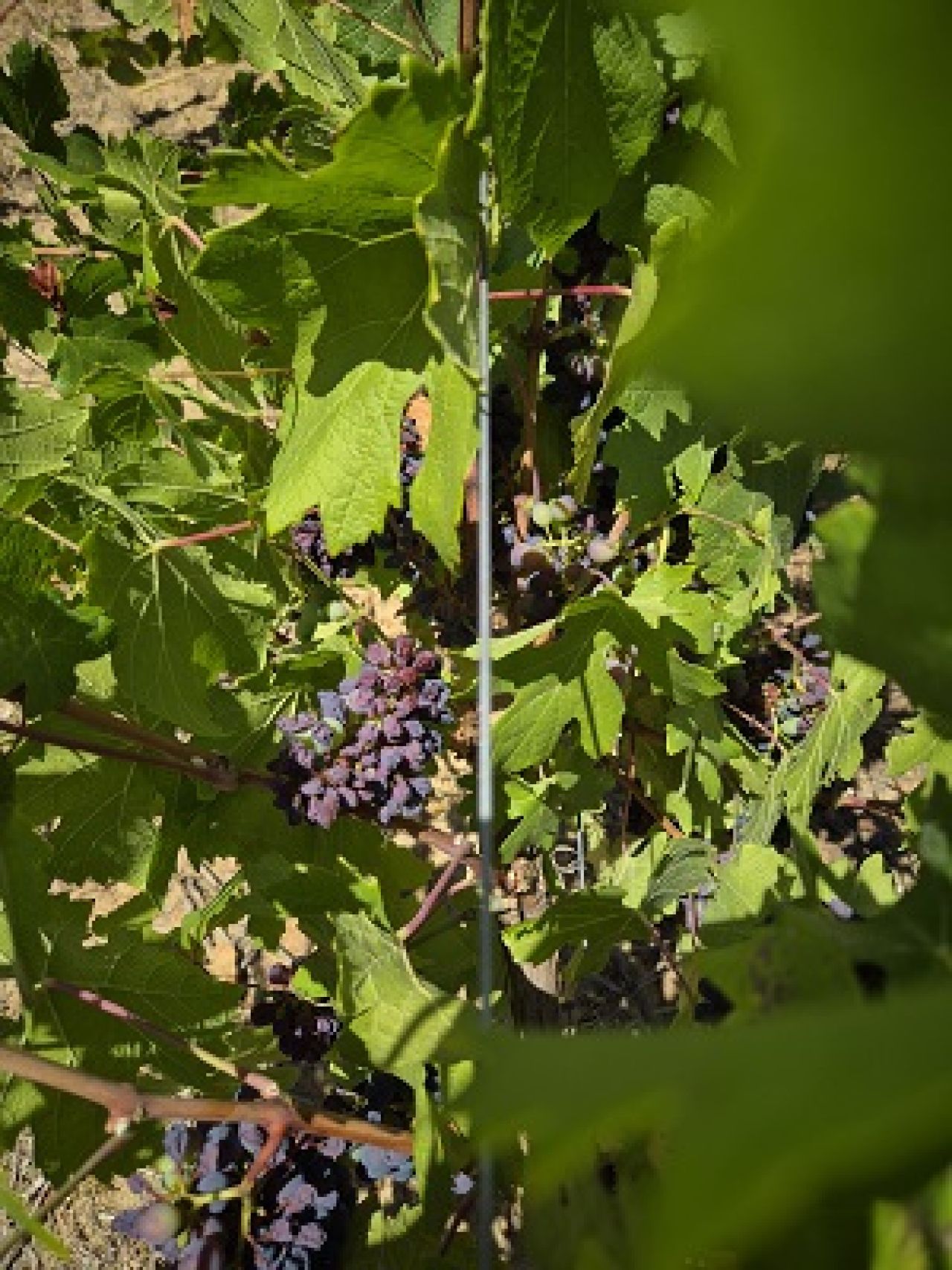
PHOTO 6. Severe sunburn damage in sprawl systems where shoots fell open. Early topping actions and branch shoot development provided better protection against sunburn.
Summary
The sudden heat spike on 25 December 2024 caused widespread sunburn and tonnage losses in the Paarl and Swartland areas. The unexpected increase in temperature and the fact that grapes had not yet entered véraison, exacerbated the effect of this event. Instances of vineyards with relatively less damage were, however, observed.
Vineyards with buffered root systems, which had higher groundwater contents at the onset of the extreme heat, showed less damage. It should also be noted that dryland vineyards with mulches handled the heat better.
Hedge trellises with row orientations between east-west and southeast-northwest also offered greater shelter from the sun and had less damage.
The early topping of bushvines and sprawl systems, and the subsequent development of branch shoots, resulted in better protection of the grapes. Other canopy management actions, such as suckering and defoliation, if applied, should be done early to allow the vine sufficient opportunity to form the necessary compounds to offer protection against sunburn. Grapes that are ‘opened up’ at a late stage in the growing season are extremely susceptible to sunburn damage. In sunburn-prone areas, practices like the suckering of bush vines can be adjusted by, for example, leaving three instead of two shoots per bearer for better shelter and protection.
As climate change and extreme weather conditions advance, the danger of sunburn damage may increase. It could therefore be valuable to investigate the use of agents, such as those containing kaolin, to help manage this risk.
For more information, contact Hanno van Schalkwyk at [email protected].
Click here to get your copy of WineLand Magazine.

More from
Vineyard, cellar and production
How to understand regenerative farming
Regenerative farming is becoming part of the language of modern viticulture, but what does it actually look like in a vineyard?
JC Smith praat oor wynmaak in die Oos-Vrystaat
JC Smith is ’n derdegeslag-wynmaker. Sy oupa Dassie en pa Flip was albei wynmakers, en hy het tussen wingerde en wynkelders grootgeword. Hy is tans die wynmaker by Blydschap in die Oos-Vrystaat.
Cellar hygiene
Maintaining a spotless wine cellar requires a comprehensive management plan, which includes structural design, equipment sanitation, environmental controls and routine microbial monitoring.