
Addition of exogenous tannins during winemaking
· 2 min read
VINEYARD AND CELLAR UPDATE
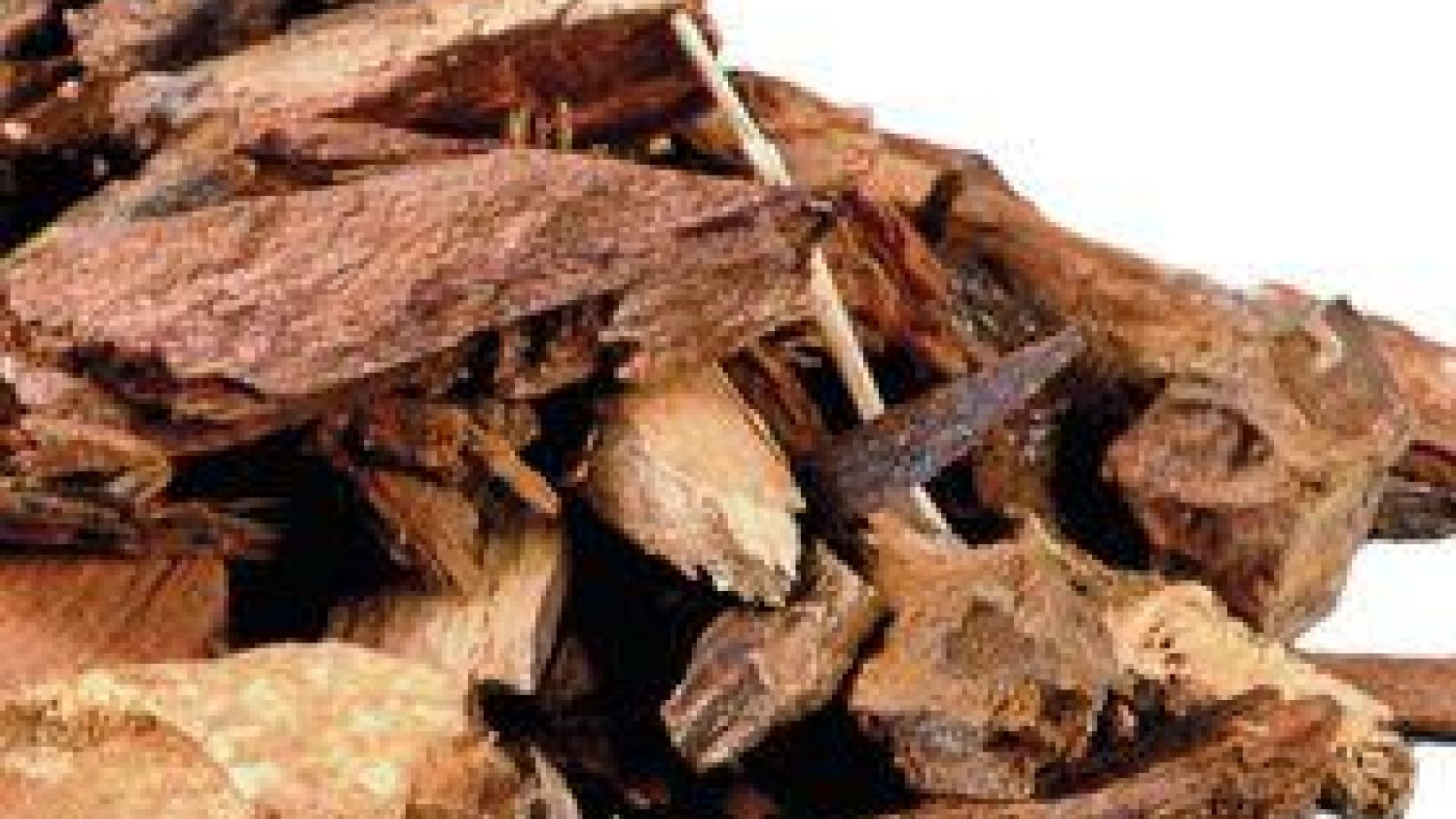
Tannins are especially associated with their astringent taste. The perception of astringency is the result of the reaction between tannins and the proteins in saliva. Tannic red wines form a precipitate in the mouth, but due to the lack of tannins in white wines the precipitation will not occur. The tannins occurring in wine, can originate from the grapes or the stems, but they can also be added as exogenous tannins during winemaking.
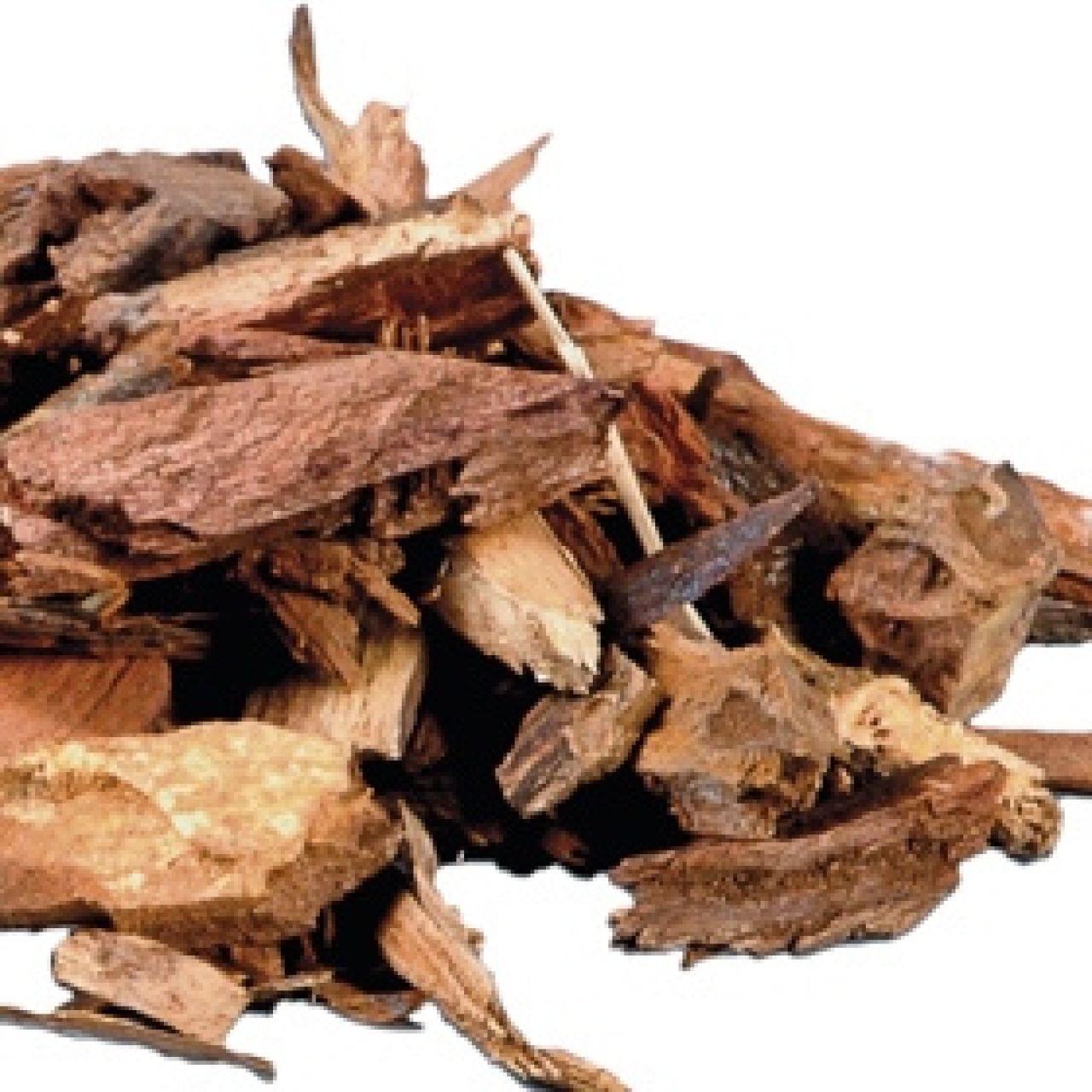
| Tannins are phenolic compounds which occur in many plants. The ability of tannins to react with proteins, is important during winemaking, because enzymatic reactions are inhibited by them and they can also contribute positively to the protein stability of wine. As result of the structural characteristics, they can also contribute to the oxidative and colour stability of wines. They also play an important role in the sensory characteristics of wine. A variety of tannin products became available over recent years and it is important that winemakers are informed about the characteristics of the different products. Available tannins include hydrolysable tannins (ellagic and gallic basis) and condensed tannins (catechinic basis). Ellagic tannins originate from oak and chestnut wood, gallic tannins from oak wood wounds, tara and myrobalan exotic trees, while catechinic tannins originate from grapes and quebracho trees. The traditional tannins for winemaking (exogenous tannins) are extracted from the nutgalls of certain trees.The most important effect of tannins added to wines, is the structuring of the mouth feel. Together with the alcohol and different fixed acids, they contribute to the balance of dry wines. If exogenous tannins are used, they must be used from the commencing of the alcoholic fermentation and during maturation. As result of the differences in the composition, different tannin products have different effects and winemakers must consider this before using a specific product. Recommendations regarding different exogenous tannins are summarised in Table 1.The activity of different available tannins can differ considerably. Highly active tannins are used at a lower dosage and will have less impact on the sensory characteristics of wine, contrary to the effects of products with a lower activity. It is consequently important to execute laboratory evaluations before adding tannins to wine (Gore, 2015). |
Reference
Gore, Rachel, 2015. Exogenous tannins – what, when, why. Wine & Viticulture Journal, July/August 2015: 30 - 31.

More from
Vineyard, cellar and production

Cellar hygiene
Maintaining a spotless wine cellar requires a comprehensive management plan, which includes structural design, equipment sanitation, environmental controls and routine microbial monitoring.
Making wine in Cape Town's Philadelphia ward
Havana Hills overlooks Table Mountain and the Atlantic Seaboard from its perch atop one of the region’s smallest wards, Philadelphia. Piet Kleinhans recently took over the reins as winemaker.
What's so special about wine globes?
Diemersdal places a strong focus on innovation, and there’s always something new up their sleeve. Wineglobes represent a new way of telling a story that’s centuries old.