
New life
As budding gets underway in the vineyards, it is perhaps also time to breathe new life into our cellars.
· 6 min read
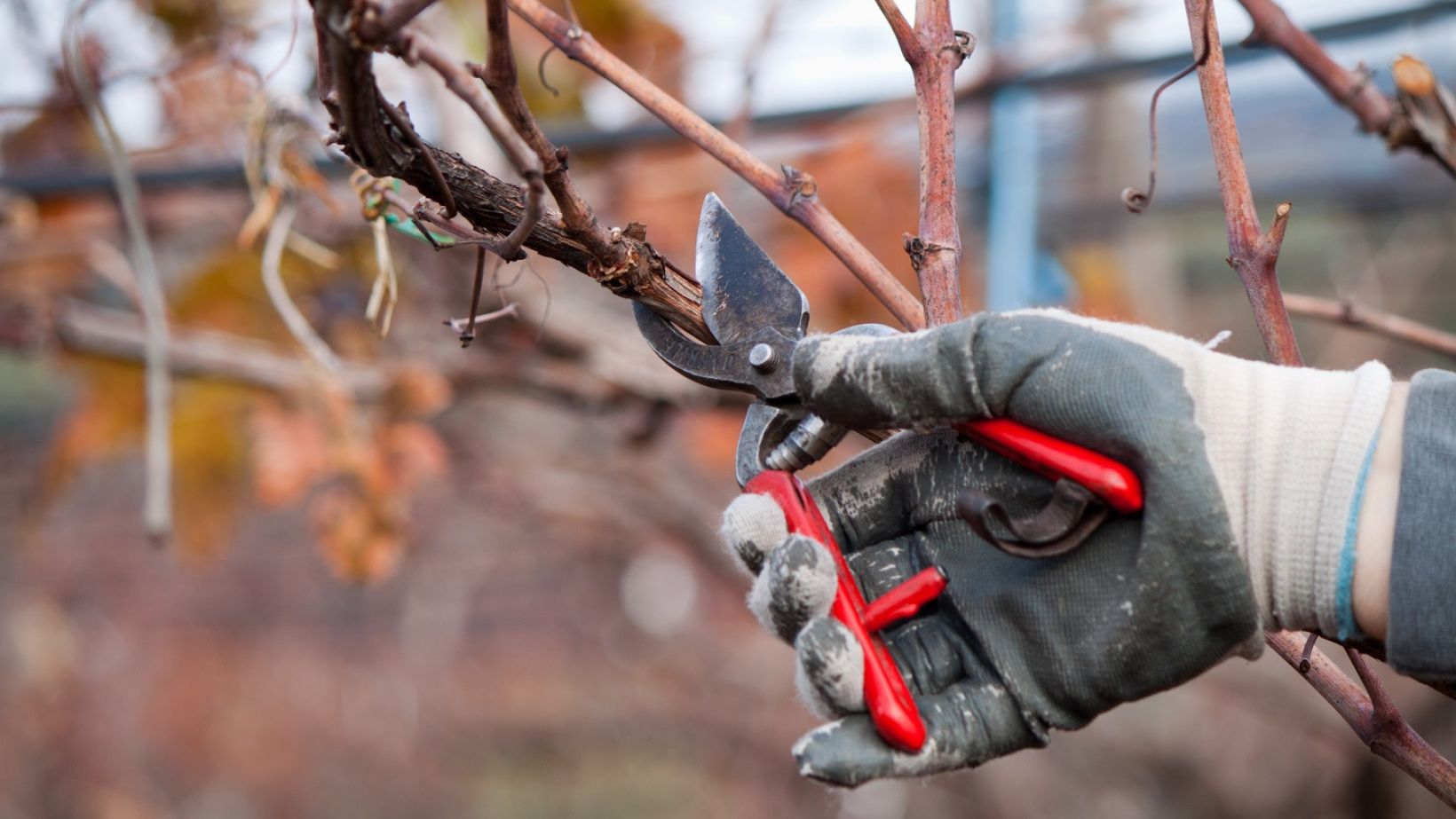
The month of September is here, and so is lovely spring! And as budding gets underway in the vineyards, it is perhaps also time to breathe new life into our cellars.
To expand on the vineyard analogy: Vineyards are drastically pruned back at the start of winter. To the uninformed, this might seem like a mistake because very little remains of the vine, especially when compared to the amount of green growth during the season. However, this is exactly what is required to ensure a good crop in the following season.
Vineyard pruning can be divided into three actions, namely pre-pruning, clean pruning and final pruning. Let’s look at how we can apply the principles of these three actions in the cellar environment to bring renewal there. Parallel to the three pruning actions, we will also look at possibly one of the best workplace organisation systems, namely 5S.
The 5 x S’s consist of the following five steps:
- Sort
- Set in place
- Shine
- Standardise
- Sustain
A – Pre-pruning
In the vineyard environment, it is the action where the top part of the shoots is removed at approximately 15 cm and pulled out of the wires. It corresponds with the first two steps of 5S: “Sort” and “Set in place”.
If applied to a cellar environment, it can be expressed as follows:
- Go through the cellar systematically and basically bring everything that can move to one central point.
- Evaluate each item and remove everything that is clearly not needed anymore. This includes notices and signage against walls.
- Identify equipment or items that are only slightly damaged and can be repaired at relatively low cost. Create a list of these items and assign a person to follow up on the actions required.
- Identify severely damaged equipment or items which can no longer be repaired cost-effectively. These items can possibly serve as parts for other similar equipment. Make a final decision on the future of such items and implement the plan.
- Determine where the best place is to store the remaining equipment. Useful questions to ask are:
- What is the purpose of this item?
- When was it last used?
- How often is it used and by whom?
- Is it necessary for the item to be stored in its current location/department?
- Make sure that items are logically and practically located. Equipment should be stored close to where it is used. A bit of planning can help to simplify future actions and save time with improved layout and placement of equipment.
- Mark all equipment with unique numbers and ensure that there is an updated asset inventory listing each item. If items are disposed of or sold, make sure they are removed from the asset inventory.
- Ensure that the unique numbers of equipment are also displayed at the place where each item is stored, so items can be returned to the correct spot after use.
To summarise:
A place for everything and everything in its place.
All the above actions are not only applicable to the cellar itself, but also cloak rooms, storage rooms and offices.
B – Clean pruning
In the vineyard environment, this step involves cutting off the shoots that will not be used as bearers. It corresponds with step three of 5S: “Shine”.
- In the cellar, this step would entail a thorough cleaning of the entire space.
- This includes everything from the floors, drains, ceilings, cobwebs, tanks, pumps, pipes and simply everything that can open and close.
- Also important to consider here is whether the cleaning chemicals used are still suitable for the objective. Do some research to identify the latest products on the market and consult suppliers. They can offer advice and possibly even provide training for staff on cleaning techniques and the optimal application of their products.
- It is also a good practice to establish the causes of dirtiness. An interesting example is cooling pipes where water condenses against the pipe and keeps dripping on the floor. This usually causes a whole wet strip underneath the pipe and can become quite slimy if not cleaned regularly. One way to prevent this problem is to isolate the pipes, but a cheaper alternative is to simply hang a gutter underneath the pipe to collect dripping water and channel it into a drain. The same applies to leaking taps or tanks, or pumps leaking oil. Address the problem as quickly as possible to prevent unnecessary constant cleaning.
- This section also includes the regular servicing and maintenance of equipment and machinery. The benefits of preventative maintenance have been well proven.
- Ensure that the operators of equipment know what they should look out for (and listen to) during the operation of their machines, so that they are able to identify faults early and intervene to prevent the problem from getting worse.
To summarise:
Everything is clean and everything works as it should.
C – Final pruning
In the vineyard environment, this represents the final pruning step where the bearer shoots are cut back to the desired number of buds, usually two. This ensures that the vine maintains its ideal shape and also has a positive impact on quality and crop size. In the cellar, this correlates with steps four and five of 5S: “Standardise” and “Sustain”.
The first steps are relatively simple and can usually be implemented very easily and quickly. However, if there isn’t a dedicated effort to sustain the significant benefits the process holds for the cellar, the situation will gradually begin to deteriorate again over time. This is why S4 and S5 are extremely important.
These steps include:
- Creating schedules for cleaning tasks to be performed on a regular basis, stating the details of who, how often, and where to perform them.
- Training to ensure that everyone understands exactly what is expected of them in terms of these new procedures.
- Constantly raising awareness among all staff (from top management and across the entire cellar) to stress that all the steps and actions are not one-time actions, but should form a routine, holding great benefits.
- New staff joining the cellar should receive training as soon as possible.
- The use of photos can be useful to illustrate how the cellar looked before initiating the project, and how it looks after implementing the project. This can be a big help to show the positive impact and motivate people to continue with tasks. Photos of how exactly an area should look or where and how items should be stored correctly can also serve as an effective visual reminder and incentive.
Conclusion
5S is not a short-term project, but rather a long-term initiative that should become part of the cellar’s culture.
For more information, contact Pieter Badenhorst at [email protected].
Click here to get your copy of WineLand Magazine.

More from
Vineyard, cellar and production
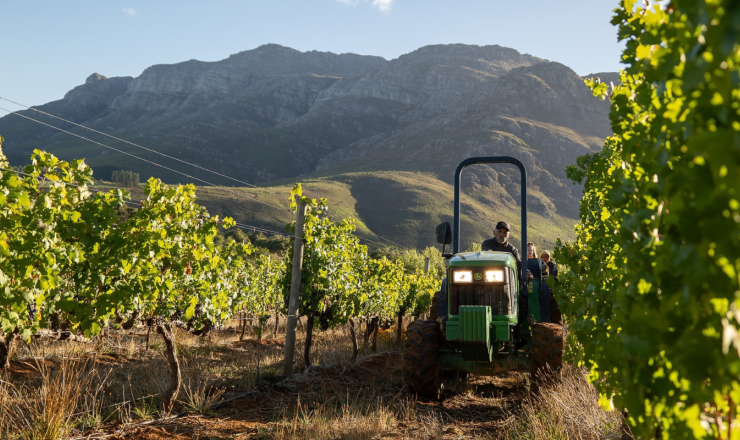
How to understand regenerative farming
Regenerative farming is becoming part of the language of modern viticulture, but what does it actually look like in a vineyard?
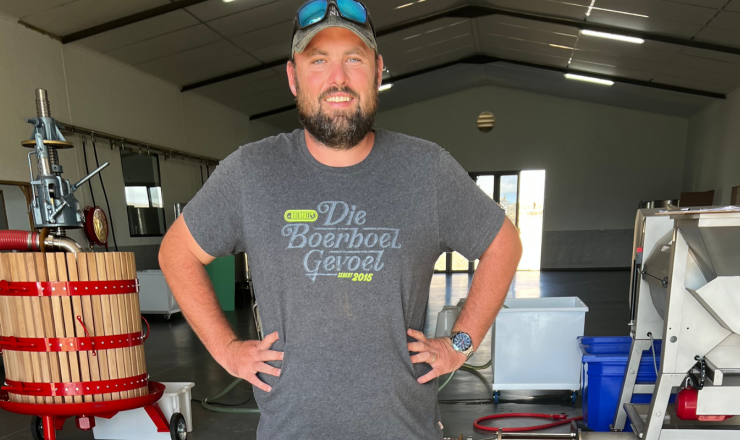
JC Smith praat oor wynmaak in die Oos-Vrystaat
JC Smith is ’n derdegeslag-wynmaker. Sy oupa Dassie en pa Flip was albei wynmakers, en hy het tussen wingerde en wynkelders grootgeword. Hy is tans die wynmaker by Blydschap in die Oos-Vrystaat.
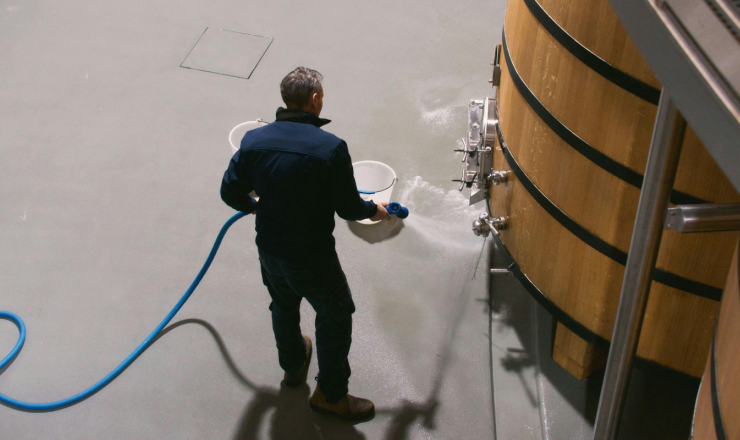
Cellar hygiene
Maintaining a spotless wine cellar requires a comprehensive management plan, which includes structural design, equipment sanitation, environmental controls and routine microbial monitoring.